
Nyctereutes
Nyctereutes·Opportunistic carnivore
Nyctereutes is a genus of Asian canid that first appeared in the fossil record in northern China approximately 5.5 million years ago. It is distinguished by its short snout, rounded skull, and specific molar proportions. The genus is primarily known for its two extant species, the common raccoon dog and the Japanese raccoon dog, which are opportunistic carnivores.
Key Facts
- ›Originated in northern China around 5.5 million years ago.
- ›Characterized by short snouts, round crania, and specific molar ratios.
- ›Primarily opportunistic carnivores, feeding on small mammals, fish, birds, insects, and some plants.
- ›Diet is significantly influenced by environmental factors.
- ›The two extant species, the common raccoon dog and the Japanese raccoon dog, diverged about 0.5 million years ago.
- ›Fossil species are recorded across Asia and Europe.
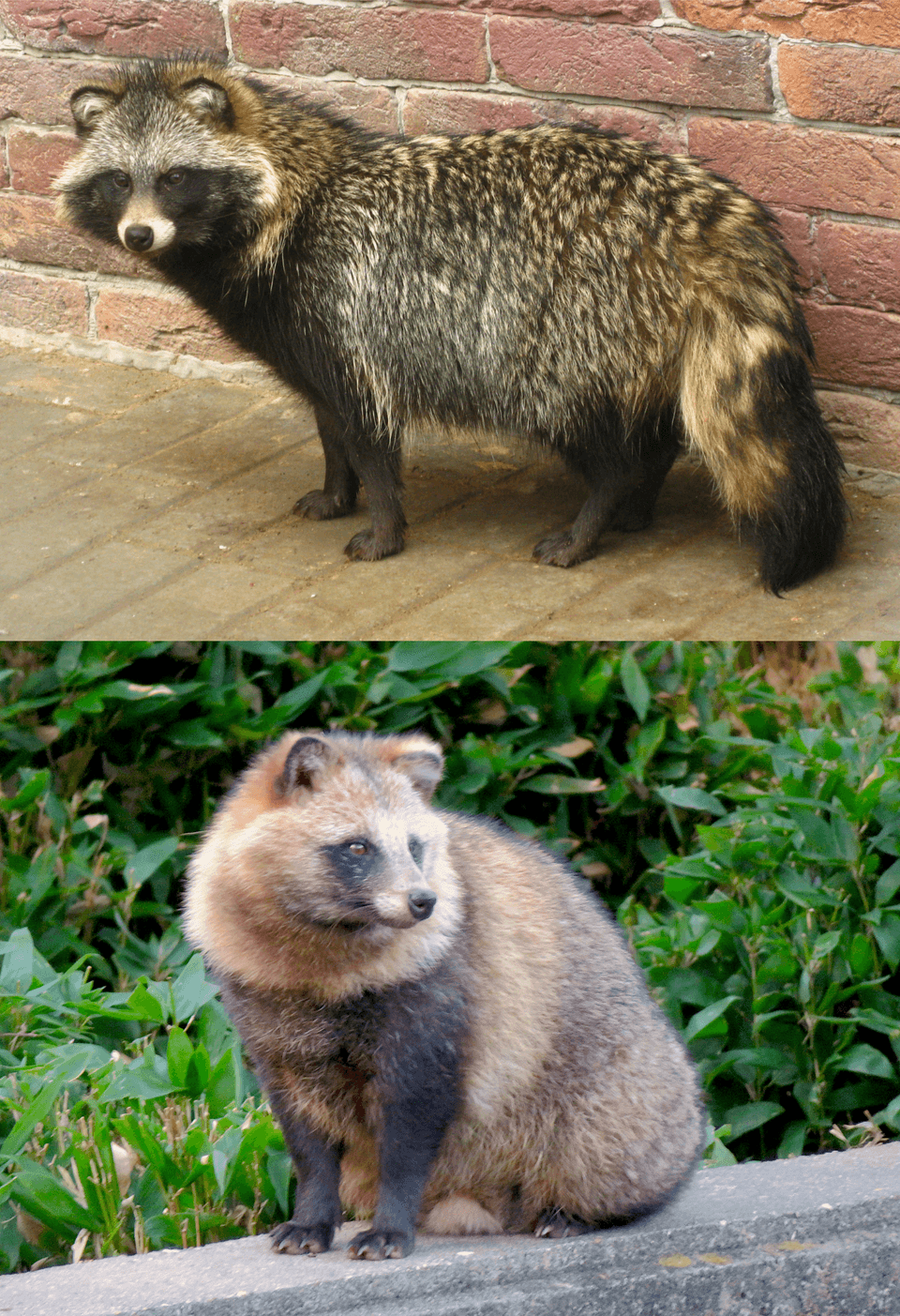
Raccoon Dog
Asia
Short Snout, Round Crania, Specific Molar Proportions
About Nyctereutes
The genus Nyctereutes represents a lineage of Asian canids, with its origins traceable to northern China around 5.5 million years ago. This genus is distinguished by a suite of physical characteristics, including a notably short snout, a rounded cranium, and specific proportions in its molars, particularly the ratio between the first and second molars (M1 and M2). The name Nyctereutes itself is derived from Greek roots meaning 'night wanderer', hinting at its presumed activity patterns.
Evolutionary History and Extant Species
Nyctereutes holds a significant place in the fossil record as one of the earliest canines to appear in the Old World. While numerous fossil species have been identified across Asia and Europe, dating back millions of years, the genus has seen considerable extinction events, with most species disappearing before the end of the Pleistocene epoch. Environmental and climatic shifts, such as changes in forest cover and precipitation patterns, are believed to have influenced its evolutionary trajectory. The genus currently comprises two extant species: the common raccoon dog (Nyctereutes procyonoides) and the Japanese raccoon dog (Nyctereutes viverrinus). These two species diverged approximately 0.5 million years ago, preceding the last glacial period.
Diet and Characteristics
The living members of the Nyctereutes genus are characterized as opportunistic carnivores. Their natural diet consists of a varied range of food sources, including small mammals, fish, birds, and insects. They also supplement their diet with occasional plant matter, such as roots. The specific composition of their diet is heavily influenced by the prevailing environmental conditions and the availability of food resources in their habitat.
Fossil Record
The fossil record for Nyctereutes reveals a diverse range of species spread across different geographical locations and time periods. Fossil species such as Nyctereutes abdeslami, Nyctereutes donnezani, Nyctereutes lockwoodi, Nyctereutes megamastoides, Nyctereutes sinensis, Nyctereutes tingi, Nyctereutes urartuensis, and Nyctereutes vinetorum have been documented, providing insights into the genus's ancient distribution and diversification.
Source: Wikipedia ↗
Frequently Asked Questions
What does the name Nyctereutes mean?
The name Nyctereutes comes from Ancient Greek words. 'Nyx' or 'nykt-' means 'night', and 'ereutēs' means 'wanderer', suggesting a 'night wanderer'.
Where did Nyctereutes originate?
The genus Nyctereutes first appeared in the fossil record in northern China. It is considered one of the earliest canines found in the Old World.
What are the main physical characteristics of Nyctereutes?
Nyctereutes species are typically recognized by their short snouts, round crania, and the specific shaping of their molars, particularly the ratio between the first and second molar (M1 and M2).
What do Nyctereutes eat?
They are considered mainly opportunistic carnivores, consuming small mammals, fish, birds, and insects. They also eat occasional plants, especially roots, with their diet largely influenced by their environment.
How many living species are in the genus Nyctereutes?
There are two extant species within the genus Nyctereutes: the common raccoon dog and the Japanese raccoon dog. These two species diverged around 0.5 million years ago.
What is the evolutionary history of Nyctereutes?
The evolution of Nyctereutes is thought to have been influenced by changes in climate and environment, such as shifts in forest cover and fluctuations in temperature and precipitation. Most species became extinct before the end of the Pleistocene epoch.