
Zamia roezlii
Pacific coast·pachycaulous plant
Zamia roezlii, commonly known as chigua, is a species of cycad native to the Pacific coast of Colombia and Ecuador. This palm-like plant is notable for its exceptionally large sperm cells, visible to the naked eye and propelled by numerous cilia. It grows up to 7 meters tall with large fronds bearing broad leaflets.
Key Facts
- ›Native to the Pacific coast of Colombia and Ecuador.
- ›Possesses the world's largest plant sperm cells, approximately 0.4 mm in length.
- ›Sperm cells are propelled by an estimated 40,000 cilia.
- ›Can grow up to 7 meters in height.
- ›Fronds can reach lengths of up to 3 meters.
- ›Leaflets are large, measuring up to 30–50 cm long and 12–15 cm wide.
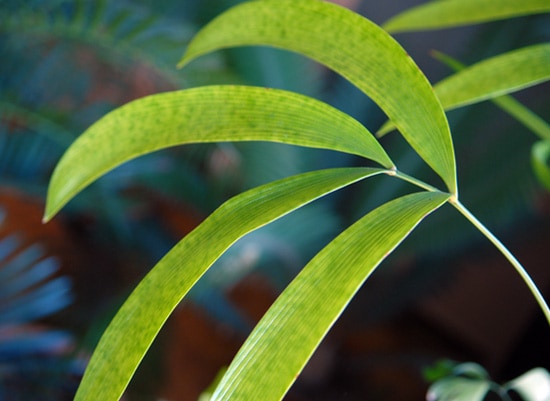
Chigua
Colombia, Ecuador
Fronds Up To 3 m Long, Leaflets Up To 30–50 cm Long, Leaflets 12–15 cm Wide
About Zamia roezlii
Zamia roezlii, commonly referred to as chigua, is a species of cycad that belongs to the Zamiaceae family. This plant is characterized by its distinctive palm-like appearance and a thick, swollen stem, known botanically as a pachycaul.
Geographic Distribution and Habitat
The natural habitat of Zamia roezlii is confined to the Pacific coast of South America, where it is found in Colombia and Ecuador. Within Colombia, it is documented in the departments of Choco, Nariño, Valle del Cauca, and Amazonas. Its presence extends to the Pacific coastal regions of Ecuador.
Botanical Peculiarities
One of the most remarkable features of Zamia roezlii is its reproductive biology, specifically its sperm cells. The species produces the world's largest plant sperm cells, measuring approximately 0.4 mm in length. These microscopic entities are visible to the naked eye and are propelled by an astonishing number of cilia, estimated to be around 40,000.
Physical Characteristics
Zamia roezlii can grow to an impressive height of up to 7 meters. Its fronds, which are the leaf-like structures, can reach lengths of up to 3 meters. The leaflets that compose these fronds are notably large, measuring between 30 to 50 centimeters in length and 12 to 15 centimeters in width.
Source: Wikipedia ↗
Frequently Asked Questions
What is Zamia roezlii?
Zamia roezlii, also known as chigua, is a species of cycad belonging to the Zamiaceae family. It is characterized by its palm-like appearance and pachycaulous stem.
Where is Zamia roezlii found naturally?
This cycad species is indigenous to the Pacific coast of Colombia, specifically in the departments of Choco, Nariño, Valle del Cauca, and Amazonas. It is also found in Ecuador along its Pacific coast.
What is unique about the sperm of Zamia roezlii?
Zamia roezlii is famous for having the world's largest plant sperm cells. A single sperm cell measures about 0.4 mm in length, making it visible without magnification, and is propelled by approximately 40,000 cilia.
How large can Zamia roezlii grow?
This species can reach a significant height of up to 7 meters. Its fronds are also substantial, extending up to 3 meters in length.
What are the characteristics of Zamia roezlii's leaves?
The fronds of Zamia roezlii are large, up to 3 meters long, and bear leaflets that are also quite sizable. These leaflets can measure between 30–50 centimeters in length and 12–15 centimeters in width.