
Borogovia
Borogovia was a small troodontid theropod dinosaur that lived in what is now Mongolia during the Late Cretaceous Period. Named after the 'borogoves' from Lewis Carroll's "Jabberwocky," its scientific name, *Borogovia gracilicrus*, reflects its lightly built and elegant lower legs. The dinosaur is estimated to have been about two meters long and weighed around twenty kilograms.
Key Facts
- ›Lived during the Late Cretaceous Period.
- ›Discovered in the Nemegt Formation of Mongolia.
- ›Estimated to be about 2 meters (6 feet) long.
- ›Estimated to weigh around 20 kilograms (45 pounds).
- ›Belongs to the theropod dinosaur group, specifically the Troodontidae family.
- ›Characterized by elongated lower legs and a narrow third toe.
Estimated Length of 2 Meters, Estimated Weight of 20 Kilograms, Elongated Tibiotarsi, Narrow Third Toe, Short and Relatively Flat Second Toe Claw
Saurornithoides, Tammaro
Mongolia
About Borogovia
Borogovia is a genus of troodontid theropod dinosaur that roamed the Earth during the Late Cretaceous Period. Its fossils have been unearthed in what is now Mongolia, specifically within the Nemegt Formation. The genus contains a single recognized species, Borogovia gracilicrus.
Discovery and Naming
The remains of Borogovia were first discovered in 1971 by a Polish-Mongolian paleontological expedition at the Altan Uul IV site in the Nemegt Basin. Initially, the find was considered a possible specimen of Saurornithoides. However, paleontologist Halszka Osmólska later concluded that it represented a new species. In 1987, Osmólska formally named and described Borogovia gracilicrus. The genus name pays homage to the 'borogoves' from Lewis Carroll's "Jabberwocky," while the specific epithet, gracilicrus, is derived from Latin words meaning "lightly built" and "shin," highlighting the dinosaur's slender lower leg structure.
Physical Characteristics and Classification
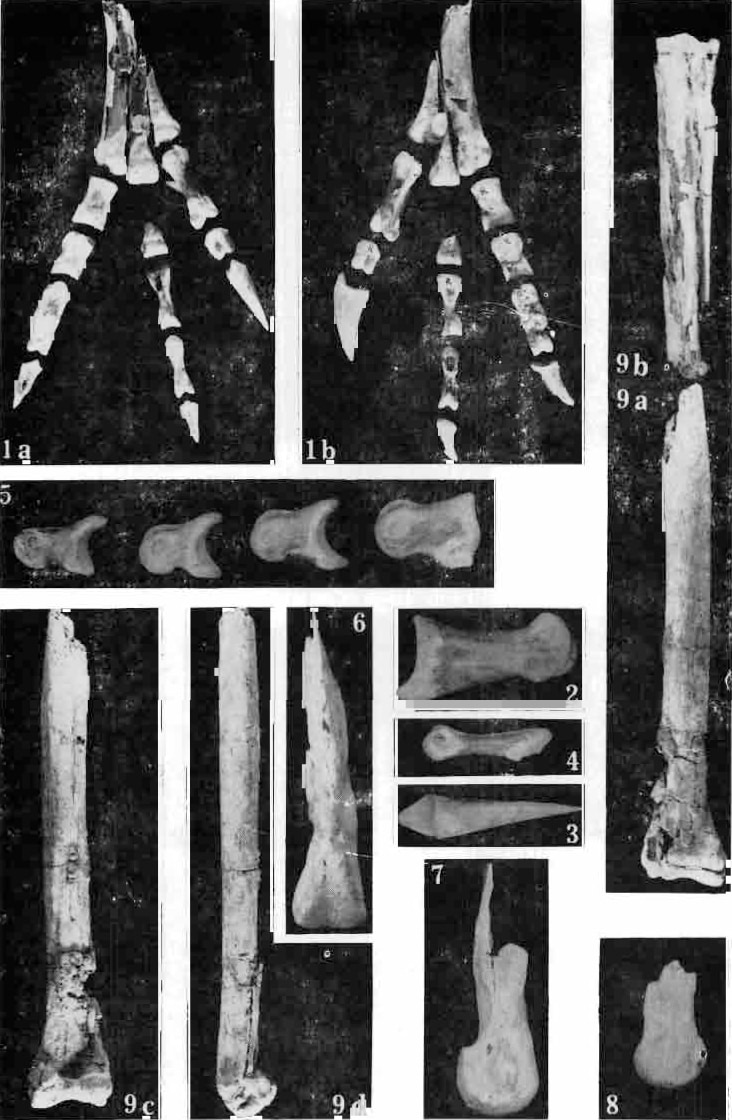
The holotype specimen of Borogovia consists of two lower legs from a single individual, including parts of the tibiotarsi, metatarsi, and toes. These bones suggest an animal approximately two meters (6 feet) in length and weighing around twenty kilograms (45 pounds). A key characteristic of Borogovia is its very elongated tibiotarsus. Unlike some other troodontids and dromaeosaurids, Borogovia did not possess the "falciphoran condition," meaning its second toe claw was not prominently enlarged and likely did not have the same hyperextension capability. Some researchers have suggested that the second toe may have regained a weight-bearing function. Borogovia has been assigned to the family Troodontidae, with later studies placing it within or as a sister taxon to the Troodontinae subfamily, closely related to genera like Saurornithoides.
Source: Wikipedia ↗
Frequently Asked Questions
What does the name Borogovia mean?
The genus name 'Borogovia' is derived from the fantasy creatures known as 'borogoves' found in Lewis Carroll's poem "Jabberwocky." The specific name, 'gracilicrus,' is a combination of Latin words meaning 'lightly built' and 'shin,' referencing the dinosaur's elegant lower leg structure.
When and where did Borogovia live?
Borogovia lived during the Late Cretaceous Period, specifically in the early Maastrichtian stage. Its fossils were discovered in the Nemegt Formation, located in the Nemegt Basin of Ömnögovĭ province, Mongolia.
What are the physical characteristics of Borogovia?
Borogovia was a small theropod, measuring approximately two meters (6 feet) in length and weighing about twenty kilograms (45 pounds). It is notable for its very elongated tibiotarsus (lower leg bone) and a narrow third toe. The second toe claw was described as short and relatively flat.
What group of dinosaurs does Borogovia belong to?
Borogovia is classified as a troodontid theropod. Research has placed it within the Troodontidae family, with some studies suggesting it is closely related to or a member of the Troodontinae subfamily.
What was found at the discovery site of Borogovia?
The holotype specimen of Borogovia was discovered in 1971 by a Polish-Mongolian expedition. It consists of two lower legs from a single individual, including fragments of the tibiotarsi, metatarsi, and the toes of each foot.
Related Dinosaur species

Achillobator
Achillobator was a large, heavily-built dromaeosaurid theropod dinosaur that inhabited Mongolia during the Late Cretaceous period. It is distinguished by its robust skeleton, deep maxilla, and primitive pelvis, contrasting with the generally lighter build of other dromaeosaurids. This predator likely hunted large prey using its enlarged sickle claw.

Adasaurus
Adasaurus is a genus of dromaeosaurid dinosaur that lived in Asia during the Late Cretaceous period. This large predator is known from two partial specimens discovered in Mongolia's Nemegt Formation. Adasaurus is distinguished by a notably reduced sickle claw on its second toe, a feature that sets it apart from many of its relatives.

Alioramus
Alioramus is a genus of tyrannosaurid theropod dinosaurs that lived in Asia during the Late Cretaceous period. This dinosaur is characterized by a distinctive row of bony crests on its snout and a higher tooth count than other tyrannosaurids. While fossils suggest they were smaller than giants like Tyrannosaurus rex, their exact adult size remains unknown, as known specimens are primarily juvenile or sub-adult.