
Amphiglossus crenni
Flexiseps crenni, also known as Crenni's skink, is a species of lizard endemic to Madagascar. It is characterized by its very short legs and reduced number of digits. The preferred habitat for this skink is forest environments.
Key Facts
- ›Endemic to Madagascar.
- ›Possesses very short legs with a reduced number of digits.
- ›Front feet have 2-3 digits, while hind feet have 2-4 digits.
- ›The holotype had a snout-to-vent length of 11.5 cm (4.5 in).
- ›Its preferred natural habitat is forest.

Crenni's Skink
Madagascar
Very Short Legs, Reduced Number of Digits, Front Feet With 2–3 Digits, Back Feet With 2–4 Digits, Holotype Snout-To-Vent Length: 11.5 cm
About Amphiglossus crenni
Flexiseps crenni
Flexiseps crenni, commonly known as Crenni's skink, is a species of lizard belonging to the family Scincidae. This species is exclusively found in Madagascar, where it inhabits forest environments.
Physical Characteristics
A defining feature of Flexiseps crenni is its reduced limb morphology. The lizards possess very short legs and a diminished number of digits on their feet. Specifically, each front foot typically bears two to three digits, while the hind feet are equipped with two to four digits. The holotype specimen, a significant reference individual for the species, measured 11.5 centimeters (4.5 inches) from snout to vent.
Habitat and Distribution
The preferred natural habitat for Flexiseps crenni is the forest biome. This suggests that the species relies on the specific ecological conditions provided by wooded areas for its survival. Its geographic distribution is limited to the island of Madagascar.
Taxonomy and Etymology
The scientific name, crenni, was chosen in honor of ophthalmologist Louis Crenn, who was involved in presenting the holotype specimen to the taxonomist Mocquard. Historically, the species has been known by various scientific classifications, including Sepsina crenni, Amphiglossus crenni, and Flexiceps crenni.
Reproduction
Information regarding the reproductive methods of Flexiseps crenni is not well-documented. The precise mode of reproduction for this skink species remains unknown, necessitating further scientific investigation.
Source: Wikipedia ↗
Frequently Asked Questions
What is the scientific name for Crenni's skink?
The scientific name for Crenni's skink is Flexiseps crenni. It has also been referred to by other scientific names in historical classifications.
Where is Flexiseps crenni found?
Flexiseps crenni is found exclusively on the island of Madagascar. It is endemic to this region.
What are the distinctive physical features of Flexiseps crenni?
A notable characteristic of Flexiseps crenni is its very short legs and a reduced number of digits on its feet. The front feet typically have two to three digits, and the hind feet have two to four digits.
What is the habitat of Flexiseps crenni?
The preferred natural habitat for Flexiseps crenni is forest environments. These areas likely provide the necessary conditions for its survival.
What is the size of Flexiseps crenni?
The holotype specimen of Flexiseps crenni measured 11.5 cm (4.5 inches) in snout-to-vent length. This indicates a moderately sized skink.
How does Flexiseps crenni reproduce?
The exact mode of reproduction for Flexiseps crenni is currently unknown. Further research is needed to understand its reproductive strategies.
Related Lizards
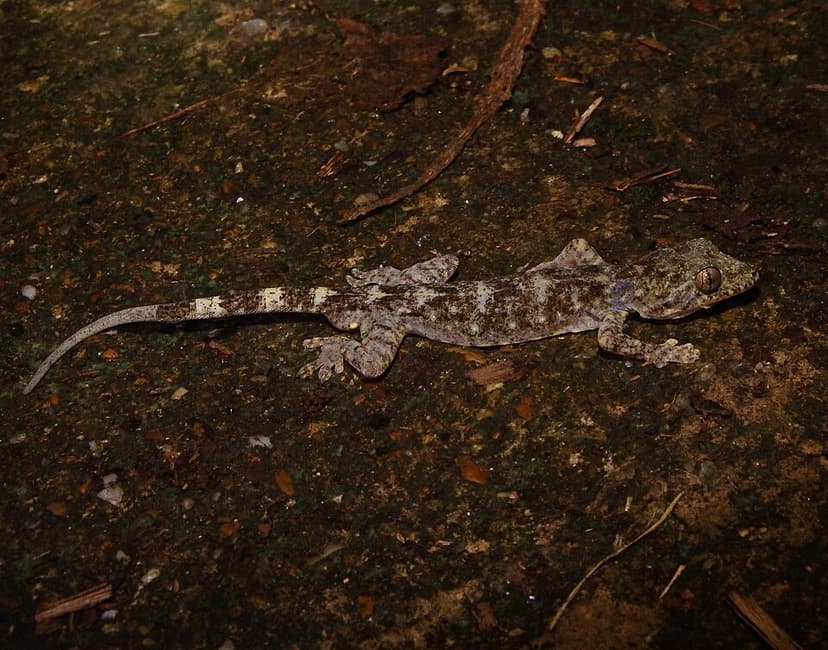
Adler's gecko
Adler's gecko is a moderately-sized lizard native to the forest habitats of southern China and northern Vietnam. Distinguished by its moderate size within its genus, adults typically do not exceed a snout-to-vent length of 8 cm. The species was named in honor of American herpetologist Kraig Adler.

Amphiglossus alluaudi
Flexiseps alluaudi is a skink species found exclusively on the island of Madagascar. Its preferred natural habitat is forest environments. The specific mode of reproduction for this lizard remains unknown.
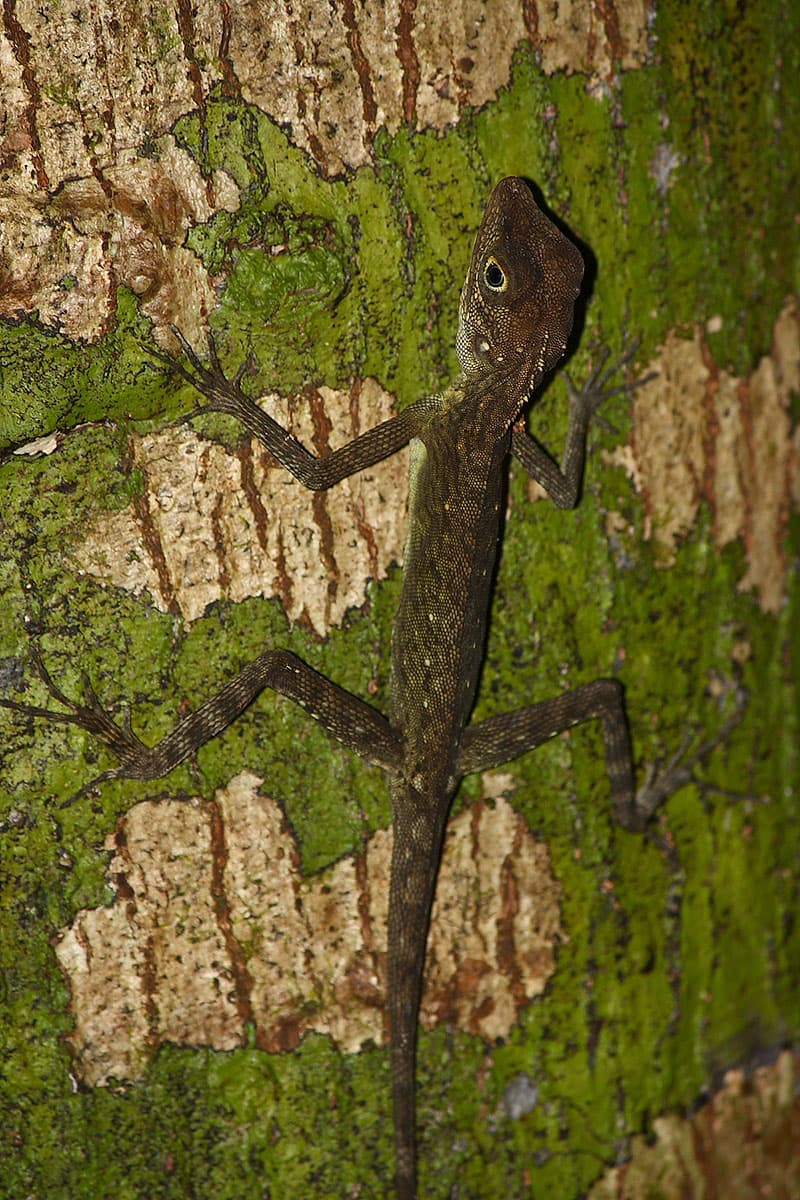
Bay Islands forest lizard (Coryphophylax subcristatus)
The Bay Islands forest lizard (Coryphophylax subcristatus) is a species of agamid lizard native to the Andaman and Nicobar Islands. It is distinguished by its short crest and is found in forested areas within its geographic range. Little is documented about its specific ecological role or behavior.