
Christinus marmoratus
Christinus marmoratus, also known as the marbled gecko or southern marbled gecko, is a small, nocturnal gecko native to southern mainland Australia. This species is highly adaptable, inhabiting a range of environments from open shrubland to urban areas, and is notable for its ability to shed its tail when threatened. They are insectivorous and often found in aggregations.
Key Facts
- ›Native to southern mainland Australia, from Victoria to Western Australia.
- ›Adults have an average snout-vent length of 50mm and weigh around 2.5g.
- ›Possesses a tail that can be shed (autotomy) for defense, regenerating over approximately eight months.
- ›Nocturnal and insectivorous, retreating to crevices, burrows, or under bark during the day.
- ›Known to form aggregations, often with a single male present.
- ›Can thermoregulate by adjusting body posture to contact substrates and testing temperature with their snout.
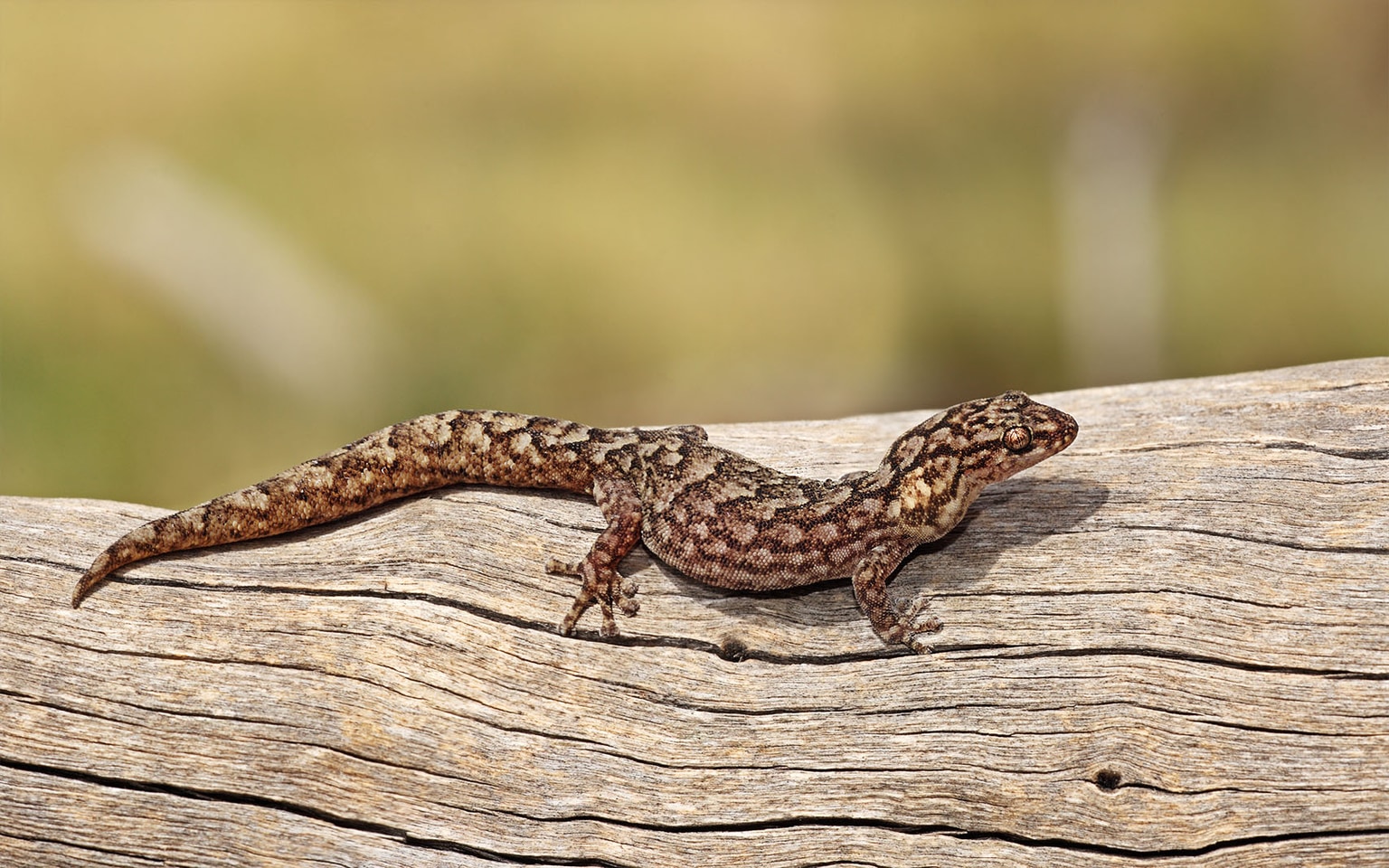
Marbled Gecko, Southern Marbled Gecko
Australia
Open Shrubland, Sclerophyll Forest, Riverine Woodland, Urban Regions
- Adults Reach An Average Snout-Vent Length of 50mm.
- Weigh Approximately 2.5g.
- Possess Tails That Can Be Detached When Threatened.
- Regenerated Tails Show An Abrupt Change In Dorsal Skin Coloring and Pattern.
- Original Tails Have More Developed Muscular Bands Than Regenerated Ones.
- Hatchlings Lack Fat In Their Tails and Drop Them More Readily Than Adults.
Insects
- Nocturnal
- Insectivorous
- Uses Deep Crevices and Burrows As Daytime Retreats In Summer.
- Aggregates Under Rocks In Cooler Weather.
- Riverine Populations Rest Under the Exfoliating Bark of Large Eucalyptus Trees.
- Commonly Found In Aggregations of Up To 10 Individuals, Usually With One Male.
- May Thermoregulate By Adjusting Posture To Contact Substrates.
- Tests Substrate Temperature With Snout Before Positioning.
- Rarely Vocalizes, Emitting A Squeaking Call When Attacked.
About Christinus marmoratus
What is Christinus marmoratus?
Christinus marmoratus, commonly known as the marbled gecko or southern marbled gecko, is a species of gecko native to the southern mainland of Australia. It is recognized for its adaptability, thriving in a variety of environments ranging from natural habitats like open shrubland and sclerophyll forests to human-altered urban areas. This small reptile is a notable member of Australia's geckos, being the most southerly species found.
Physical Characteristics and Adaptations
Adult marbled geckos are relatively small, reaching an average snout-vent length of 50mm and weighing approximately 2.5 grams. A key physical adaptation is their tail, which can be autotomized (shed) when the gecko is threatened, aiding in escape. While these tails can take about eight months to regenerate, they are not identical to the original; regenerated tails exhibit a distinct change in dorsal skin coloring and pattern at the point of fracture, and lack the muscular bands of original tails. Hatchlings are particularly adept at shedding their tails, which lack fat reserves and are dropped more readily than in adults.
Habitat and Behavior
Christinus marmoratus is primarily an insectivore and is nocturnal, meaning it is most active during the night. During the hot summer months, they seek refuge in deep crevices and burrows. In cooler weather, they tend to aggregate under rocks. Populations in riverine areas often rest beneath the thick, exfoliating bark of large eucalyptus trees during daylight hours. Interestingly, marbled geckos are often found in aggregations of up to ten individuals, a behavior that is somewhat unusual for geckos, which are often territorial. These aggregations may be linked to mating success, enhanced vigilance against predators, or simply the attraction to high-quality habitat. They have a preferred body temperature of around 27.7°C and can thermoregulate by adjusting their posture to optimize contact with the ground substrate, even testing the temperature with their snout. Vocalizations are rare, typically consisting of a squeaking call made in response to perceived threats.
Source: Wikipedia ↗
Frequently Asked Questions
What are the common names for Christinus marmoratus?
Christinus marmoratus is commonly known as the marbled gecko or the southern marbled gecko. It is Australia's most southerly gecko species.
Where is the marbled gecko found?
The marbled gecko is native to the southern mainland of Australia, with a distribution stretching from Victoria to Western Australia. It also inhabits various islands off the coasts of South Australia and Western Australia.
What kind of habitats does Christinus marmoratus prefer?
This species is highly adaptable and can be found in a variety of habitats. These include open shrubland, sclerophyll forest, riverine woodland, and even urban regions.
What is the physical description of a marbled gecko?
Adult marbled geckos reach an average snout-vent length of 50mm and weigh about 2.5 grams. They have tails that can be shed to aid in escape, which regenerate over about eight months.
What does the marbled gecko eat?
Christinus marmoratus is an insectivorous species, meaning its diet consists primarily of insects. They are nocturnal hunters, active during the night.
Are marbled geckos social animals?
Marbled geckos are often found in aggregations of up to 10 individuals, with most groups containing a single male. This social behavior is thought to be related to mating success, increased vigilance, or attraction to good habitats.
How does the marbled gecko regulate its body temperature?
Christinus marmoratus can thermoregulate by adjusting its posture to optimize contact with the rock substrate. They also appear to test the temperature of surfaces with their snout before positioning themselves.
Do marbled geckos make noise?
Marbled geckos rarely vocalize. When they do make a sound, it is typically a squeaking call, which is usually in response to an attack or threat.
Related Lizards

Lampropholis delicata
The delicate skink, Lampropholis delicata, is a small, diurnal lizard native to Eastern Australia, known for its color dimorphism and smooth scales. It inhabits a variety of moist environments, including woodlands, heaths, and rainforests, and has become an invasive species in New Zealand and Hawaii, often found in suburban gardens. This skink is an opportunistic insectivore, preying on spiders, bees, larvae, and termites, and is notable for its ability to shed and regenerate its tail as a defense mechanism.

Varanus rosenbergi
Varanus rosenbergi, also known as the Rosenberg's monitor or southern heath monitor, is a large, fast-moving Australian lizard found in the southern regions of the continent. It is characterized by its rugged body, long tail, and dark coloration with yellow and white spotting. This species is an opportunistic carnivore, preying on a variety of animals and also scavenging carrion, and it exhibits complex social and reproductive behaviors, including monogamous pair bonding during the breeding season.

Dune gecko
The dune gecko, also known as Anderson's short-fingered gecko or Egyptian sand gecko, is a small, primarily nocturnal lizard found in the arid regions of northern Africa and Israel. Typically measuring 5-8 cm from head to tail base, these geckos are characterized by their long tails, which can regrow if shed, and their inability to climb smooth surfaces, preferring instead to dig. Their diet consists mainly of insects like crickets and mealworms, and they utilize camouflage to remain hidden while hunting.