
Cuban twig anole
The Cuban twig anole, scientifically known as *Anolis angusticeps*, is an arboreal lizard native to Cuba. This species is characterized by its slender build and its adaptation to living in trees.
Key Facts
- ›Native to Cuba.
- ›Arboreal lizard, meaning it primarily lives in trees.
- ›Slender body structure.
- ›Scientific name is *Anolis angusticeps*.
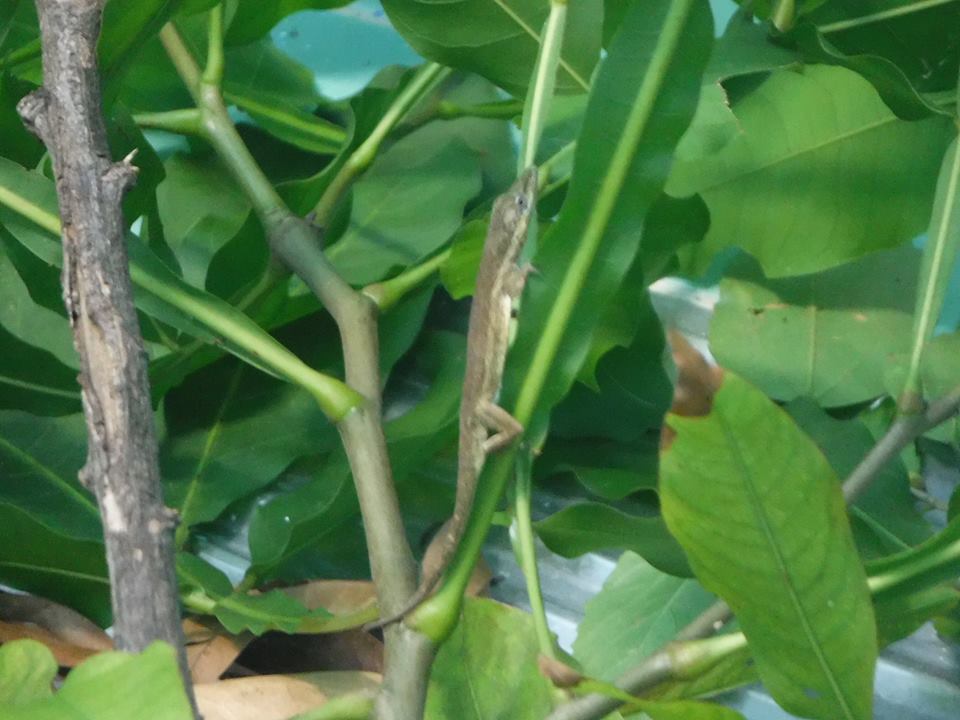
Cuban Twig Anole
Cuba
Slender Build.
About Cuban twig anole
The Cuban Twig Anole
The Cuban twig anole, scientifically identified as Anolis angusticeps, is a species of lizard native to the island of Cuba. As its common name suggests, this anole is arboreal, meaning it spends the majority of its life in trees. This adaptation to an arboreal existence shapes its biology and behavior, allowing it to thrive in its woody habitat.
Key Characteristics
Anolis angusticeps is characterized by its slender build, which is typical of many twig anoles and aids in navigating narrow branches and foliage. While detailed descriptions of its coloration, scale patterns, and specific size ranges are not extensively documented in available records, its arboreal nature implies adaptations for climbing and camouflage within tree environments. Information regarding its diet, lifespan, and specific behavioral traits remains limited in public records.
Source: Wikipedia ↗
Frequently Asked Questions
Where is the Cuban twig anole found?
The Cuban twig anole is naturally found in Cuba. It is an arboreal species, meaning its habitat is primarily within trees.
What does 'arboreal' mean for this lizard?
Arboreal means that the Cuban twig anole lives in trees. This lifestyle influences its physical adaptations and behavior, as it navigates and hunts within the arboreal environment.
What is the scientific name of the Cuban twig anole?
The scientific name for the Cuban twig anole is *Anolis angusticeps*. This binomial nomenclature is used to classify it within the biological system.
Related Lizards

Cyrtodactylus adleri
Cyrtodactylus adleri is a species of bent-toed gecko native to the Nicobar Islands of India. It is distinguished from similar species by its dark spots on the dorsum, specific scale arrangements, and the presence of a pre-anal groove. This nocturnal and arboreal lizard prefers forest habitats.

Dasia olivacea
The olive dasia, or olive tree skink (Dasia olivacea), is a semi-arboreal lizard native to Southeast Asia. It is characterized by its green back, bronze flanks with ocelli bands, and an olive-green head. This widespread species primarily inhabits trees and is considered of Least Concern for conservation.

Draco melanopogon
The Draco melanopogon, also recognized as the black-bearded gliding lizard or black-barbed flying dragon, is a species of agamid flying lizard native to Southeast Asia. This arboreal reptile primarily inhabits forests and subsists on small invertebrates, notably ants. A distinctive characteristic of this species is its reliance on dewlap-mediated communication, setting it apart from many other lizards that also use headbobbing.