
Cynisca
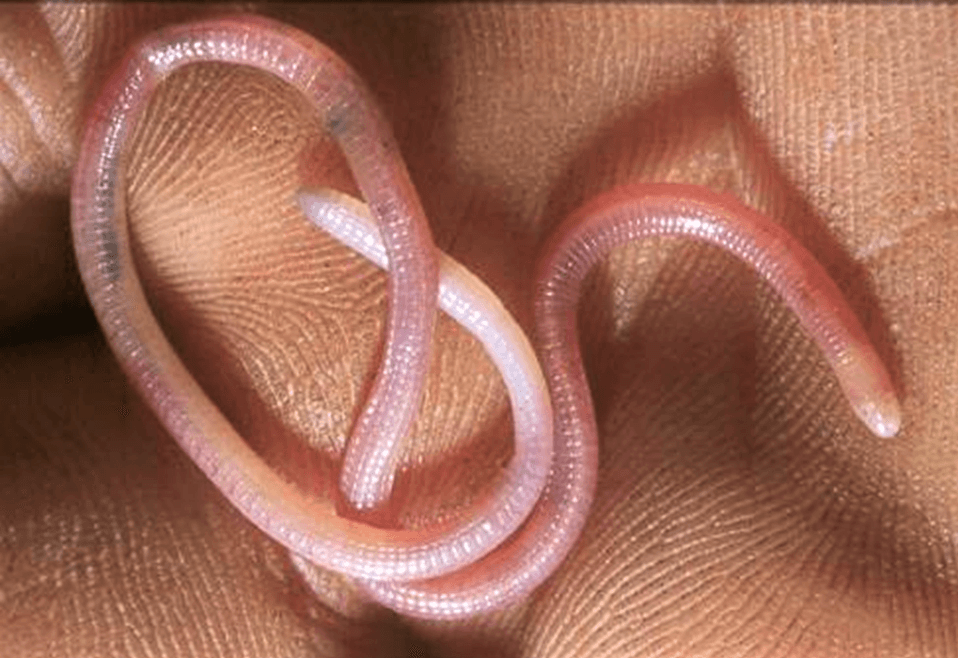
Cynisca is a genus of amphisbaenids, commonly known as worm lizards, native to West Africa. This genus encompasses 20 distinct species, characterized by their limbless, burrowing adaptations. They are typically found in subterranean environments across various West African nations.
Key Facts
- ›Cynisca is a genus of worm lizards belonging to the family Amphisbaenidae.
- ›All 20 known species within the Cynisca genus are native to West Africa.
- ›These lizards are characterized by their limbless, burrowing lifestyle.
- ›They are fossorial, meaning they spend most of their lives underground.
- ›The genus is diverse, with species described from various countries in the West African region.
Worm Lizards
West Africa
Subterranean Environments, Burrows
Limbless Reptiles, Snake-Like Appearance, Adapted For Burrowing
Fossorial Lifestyle
About Cynisca
Cynisca is a genus of amphisbaenids, commonly known as worm lizards, with all 20 recognized species native to West Africa. These reptiles are distinguished by their limbless, snake-like bodies, which are highly adapted for a fossorial, or burrowing, lifestyle. They spend the majority of their lives underground, navigating subterranean environments.
Species Diversity
The genus Cynisca encompasses a notable diversity of species, each with its own scientific classification and, in some cases, common names. For instance, species like Cynisca leucura is known as the coast worm lizard, while Cynisca haugi is referred to as Haug's worm lizard. Other species include Cynisca bifrontalis, Cynisca chirioi, Cynisca degrysi, Cynisca feae, Cynisca gansi, Cynisca ivoirensis, Cynisca kigomensis, Cynisca kraussi, Cynisca leonina, Cynisca liberiensis, Cynisca manei, Cynisca muelleri, Cynisca nigeriensis, Cynisca oligopholis, Cynisca rouxae, Cynisca schaeferi, Cynisca senegalensis, and Cynisca williamsi.
Distribution and Habitat
The natural range of all Cynisca species is confined to West Africa. Within this broad region, they inhabit various terrestrial environments, primarily dwelling in burrows beneath the soil. Their fossorial nature means they are rarely seen on the surface, making detailed ecological studies challenging.
Source: Wikipedia ↗
Frequently Asked Questions
What are Cynisca lizards?
Cynisca lizards are a genus of amphisbaenids, commonly referred to as worm lizards. They are characterized by their limbless, snake-like appearance and their fossorial, or burrowing, lifestyle.
Where are Cynisca lizards found?
Species within the Cynisca genus are exclusively native to West Africa. Their distribution spans across various countries in this region.
How many species are in the Cynisca genus?
There are 20 recognized species placed within the Cynisca genus. Each species has been described with distinct scientific names and some with common names.
What is the family of Cynisca lizards?
Cynisca lizards belong to the family Amphisbaenidae. This family is known for its diverse group of burrowing reptiles.
Related Lizards

Northern curly-tailed lizard
The Northern curly-tailed lizard, scientifically known as Leiocephalus carinatus, is a robust and active reptile characterized by its keeled, pointed dorsal scales and a tail that is typically curled upward. Native to the Bahamas, Cayman Islands, and Cuba, it has also been introduced to Florida and Honduras. This primarily terrestrial lizard prefers sunny, rocky environments and exhibits unique defense mechanisms like playing dead and tail curling.

Stenodactylus petrii
The Stenodactylus petrii, commonly known as the dune gecko, is a small, mostly nocturnal gecko found in the arid regions of northern Africa and Israel. Measuring only 2-3 inches from head to tail base, they are characterized by their long tails that can regenerate if lost, though they become shorter and stubbier. Unlike many geckos, they are adapted for digging and cannot climb smooth surfaces, preferring to hide in burrows or caves during the day.

Underwoodisaurus milii
The Underwoodisaurus milii, commonly known as the thick-tailed or barking gecko, is a reptile native to southern Australia. This species is distinguished by its plump tail and a unique barking defensive call. It inhabits rocky outcrops and shelters in burrows or under rocks during the day, emerging at night to prey on arthropods and smaller geckos.