
Takydromus sexlineatus
The Takydromus sexlineatus, commonly known as the Asian grass lizard or six-striped long-tailed grass lizard, is an arboreal and diurnal reptile native to Southeast Asia. It is characterized by its exceptionally long tail, which is typically more than three times the length of its body, and its slender build. This species is often kept as a pet due to its distinctive appearance and agile nature.
Key Facts
- ›Possesses a tail that is usually over three times its body (snout to vent) length.
- ›Arboreal and diurnal, meaning it lives in trees and is active during the day.
- ›Males can be distinguished from females by the presence of pre-anal pores and sometimes white spots on their sides.
- ›Feeds primarily on small insects, including flies, and demonstrates fast reactions to catch prey.
- ›Capable of autotomy, the ability to drop its tail when threatened, which can then regenerate.
- ›Found throughout Southeast Asia, including countries like India, China, Thailand, and Indonesia.
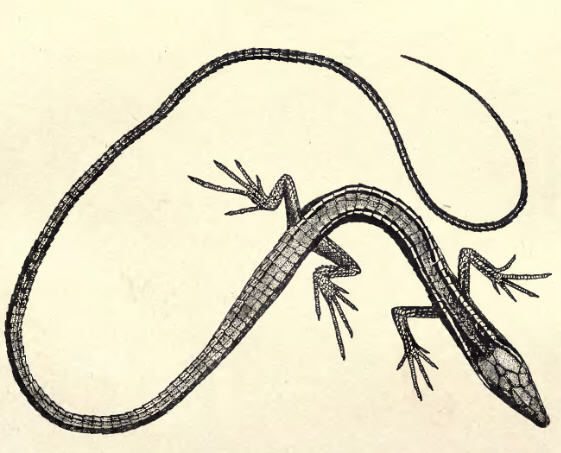
Asian Grass Lizard, Six-Striped Long-Tailed Grass Lizard, Long-Tailed Grass Lizard
India, China, Thailand, Indonesia, Burma, Malaysia
Arboreal, Grasslands, Foliage
- Long Tail, Usually Over Three Times the Body Length.
- Slender, Elongated Body.
- White To Cream-Colored Underbelly.
- Brown, Green, Or Beige Back, Often With Brown Stripes of Varying Shades.
- Small Head With A Sharply Pointed Snout.
- Black Or Pink Tongue.
- Small, Pointy Scales Beneath the Chin Resembling A Beard.
- Males May Have White Spots On Their Sides.
- Males Have Tails That Thicken Past the Vent and Are Generally Thicker Than Females' Tails.
Small Insects, Flies, Crickets, Mealworms, Sterile Maggots, Waxworms
Diurnal, Arboreal, Agile and Fast, Autotomy, Communicate Using Arm-Waving Gestures
About Takydromus sexlineatus
Takydromus sexlineatus: The Long-Tailed Grass Lizard
The Takydromus sexlineatus, widely recognized as the Asian grass lizard or the six-striped long-tailed grass lizard, is a slender and agile reptile native to the diverse ecosystems of Southeast Asia. Its most striking physical characteristic is its exceptionally long tail, which typically exceeds three times the length of its body from snout to vent. This arboreal species is primarily active during daylight hours, spending its time navigating through foliage and basking in the sun.
Appearance and Identification
Visually, the long-tailed grass lizard is easily identifiable by its elongated tail and its coloration. The underbelly is usually a pale white or cream, contrasting with a back that ranges from brown to green or beige, often marked with subtle brown stripes. It possesses a small head with a pointed snout and a distinctively short tongue, which can be black or pink. Males are distinguishable from females through the presence of pre-anal pores and sometimes exhibit white spots along their sides, which are typically absent in females. Both sexes can drop their tails when threatened, a defense mechanism that allows for regeneration of a new tail.
Distribution and Habitat
Takydromus sexlineatus is found across a wide geographical range throughout Southeast Asia. Its native territories include countries such as India, China, Thailand, and Indonesia. The subspecies ocellatus, for instance, is documented in regions like southern China, northern Burma, and northern Malaysia. These lizards inhabit environments where they can climb and find cover, typical of arboreal species living amongst grasses and foliage.
Behavior and Diet
As diurnal creatures, these lizards are most active in the morning, emerging to bask in the sun. Their behavior when encountering a potential predator involves an initial period of stillness, followed by a swift escape into the safety of vegetation. Interestingly, both male and female Takydromus sexlineatus engage in distinctive arm-waving gestures, which are believed to be a form of communication. Their diet consists mainly of small insects, with flies being a common food source. They are known for their rapid reflexes, which enable them to catch prey, including flying insects, by jumping into the air. In captivity, their diet can be supplemented with crickets and other suitable invertebrates like mealworms.
Pet Trade
The Asian grass lizard is also a species that is commonly kept as a pet. Its unique appearance and active nature make it an appealing choice for reptile enthusiasts. When kept in captivity, attention must be paid to providing a varied diet and potentially a calcium supplement, similar to the needs of other small lizards.
Source: Wikipedia ↗
Frequently Asked Questions
What are the common names for Takydromus sexlineatus?
Takydromus sexlineatus is known by several common names, including the Asian grass lizard, the six-striped long-tailed grass lizard, and simply the long-tailed grass lizard. These names reflect its geographic origin, distinctive tail length, and coloration.
What is the average size of an Asian grass lizard?
On average, Takydromus sexlineatus grows to about 12 cm (4.7 inches) in snout-to-vent length. Including its characteristic long tail, the total length can reach up to 30 cm (12 inches).
What do Takydromus sexlineatus lizards eat?
Their diet consists mainly of small insects such as flies. In captivity, they can be fed crickets and other small invertebrates like mealworms, sterile maggots, or waxworms. They are known for their quick reflexes, even jumping to catch flying prey.
Where is the Takydromus sexlineatus found?
This species has a broad distribution across Southeast Asia. It is native to countries including India, China, Thailand, and Indonesia. A subspecies, ocellatus, inhabits areas like southern China, northern Burma, and northern Malaysia.
How do male and female Asian grass lizards differ?
Males and females are generally similar, but males can be identified by the presence of pre-anal pores. Additionally, males may have white spots on their sides, while females typically do not. Males also tend to have tails that are thicker throughout their length compared to females.
What are some behavioral traits of the long-tailed grass lizard?
Takydromus sexlineatus are diurnal and active climbers. They communicate using arm-waving gestures, resembling a front crawl swimming motion. When threatened, they will initially freeze and then flee to cover, and they can also drop their tails as a defense mechanism.
Related Lizards

Scincidae
Skinks are a highly diverse family of lizards (Scincidae) characterized by their relatively small legs and lack of a pronounced neck, though exceptions exist. They are found in a wide variety of habitats across the globe, excluding arctic and subarctic regions, and are known for their digging and burrowing behaviors. While generally carnivorous, their diet can vary, and many species possess tails that can be shed for defense and later regenerated.

Anolis carolinensis
The Anolis carolinensis, commonly known as the green anole or Carolina anole, is a small to medium-sized lizard native to the southeastern United States. This arboreal species is recognized for its ability to change color from green to brown, a trait that, along with its expandable throat fan, plays a role in communication and social signaling. It inhabits forests, grasslands, and urban areas with sufficient vegetation and insect prey.

Black spiny-tailed iguana
The black spiny-tailed iguana (Ctenosaura similis) is a large iguanid lizard native to Mexico and Central America, known for the distinctive black, keeled spines on its tail. It inhabits grasslands and forests, and is an excellent climber, capable of remarkable speeds. While primarily herbivorous, it will opportunistically consume small animals and eggs.