
Veiled chameleon
The veiled chameleon, scientifically known as Chamaeleo calyptratus, is a distinctive lizard native to Yemen and Saudi Arabia, recognizable by the prominent casque, or "veil," on its head. These arboreal reptiles exhibit remarkable color-changing abilities influenced by mood, social status, and environmental factors, and they inhabit semi-arid and tropical regions. Males are larger than females and display more vibrant colors, with lifespans typically ranging from five to eight years.
Key Facts
- ›Native to Yemen and Saudi Arabia in the Arabian Peninsula.
- ›Characterized by a prominent casque on the head, which grows with age.
- ›Possess the ability to change colors for communication, camouflage, and temperature regulation.
- ›Primarily insectivorous but also consume plants like fruits and vegetables.
- ›Males typically live longer than females, with lifespans averaging 8 years compared to 5 years for females.
- ›Known for their independent eye movement, allowing for a 360-degree field of vision.

Cone-Head Chameleon, Yemen Chameleon, Yemeni Chameleon
Yemen, Saudi Arabia
- Males Measure 43 To 61 cm In Length.
- Females Are Shorter, Up To About 35 cm , But Have Thicker Bodies.
- Both Sexes Have A Prominent Casque On the Head That Grows With Age, Reaching Up To 5 cm In Larger Adults.
- Newly Hatched Offspring Are Pastel Green and Develop Stripes and Colors As They Mature.
- Adult Females Are Green With White, Orange, Yellow, Or Tan Mottling.
- Adult Males Are Brighter, With Distinct Yellow Or Blue Bands and Some Mottling.
- Coloration Can Change Dramatically Based On Mood, Social Status, and Stress.
Insects, Vegetables, Fruits
- Exhibit Variable Color Changes In Response To Mood, Social Status, Reproduction, and Stress.
- Males Display Aggression Through Brighter Coloring and Lateral Flattening.
- Courtship Involves Male Behaviors Like Head Rolls, Chin Rubs, and Bright Color Displays.
- Females Signal Receptivity With Specific Color Patterns.
- Can Become Aggressive If Unwanted Advances Continue.
- In Captivity, Females May Search For Egg-Laying Sites and Decrease Feeding Before Oviposition.
Invasive Species, Habitat Loss, Pet Trade
About Veiled chameleon
The veiled chameleon (Chamaeleo calyptratus), aptly named for the distinctive casque or "veil" that develops on its head, is a fascinating reptile native to the arid and tropical regions of Yemen and Saudi Arabia. This feature, which grows larger with age, contributes to its unique appearance, alongside its remarkable capacity for rapid and dramatic color changes. These color shifts are not merely for camouflage but serve as a complex form of communication, signaling mood, social status, reproductive readiness, and stress.
Physical Characteristics and Adaptations
Adult males typically reach lengths of 43 to 61 cm, while females are smaller, up to about 35 cm, though they tend to have a more robust build. Newly hatched chameleons are born a pastel green, gradually developing vibrant stripes and mottling as they mature. Males often display brighter blues and yellows with defined bands, while females exhibit a range of green with white, orange, yellow, or tan mottling. Beyond their striking coloration, veiled chameleons possess several key adaptations for their arboreal lifestyle. These include independently moving turret eyes for a nearly 360-degree field of vision, zygodactylous feet for a secure grip on branches, and a prehensile tail. Their exceptionally long, sticky tongues, capable of extending up to twice their body length, are used to swiftly capture insect prey from a distance.
Habitat, Diet, and Behavior
Veiled chameleons inhabit plateaus, mountains, and valleys, preferring warmer temperatures between 24 and 35 °C (75–95 °F). They are primarily insectivorous, consuming a diet of live insects, with a notable preference for green varieties. Interestingly, they also incorporate plants, such as fruits and vegetables, into their diet, which may serve as a source of hydration. Behaviorally, they are known for their sexual dimorphism and intricate courtship rituals. Males engage in behaviors like head rolls and chin rubs, displaying vibrant colors to attract females. Females signal receptivity through specific color patterns, and if unreceptive, can display aggressive behavior. The casque also plays a role in reproduction, with males sporting larger casques often preferred by females, a trait likely passed on to offspring.
Reproduction and Lifespan
These chameleons reach sexual maturity at a young age, around four to five months, and can breed multiple times a year. Females lay clutches of up to 85 eggs, which are buried in sand. The embryonic development of these eggs can be influenced by temperature, with higher temperatures initiating development. Lifespans vary by sex, with males typically living around eight years and females about five years. This relatively short lifespan, combined with their ability to breed readily, makes them a subject of interest in evolutionary and developmental biology research.
Captivity and Invasive Status
Due to their adaptability and striking appearance, veiled chameleons are a popular species in the pet trade. However, they require specialized care in captivity, including specific temperature gradients, full-spectrum UVB lighting, and a diet of live, dusted insects. Releasing captive veiled chameleons into the wild is strongly discouraged, as they have become an invasive species in areas like Hawaii and Florida, posing threats to native ecosystems by preying on native insects, plants, and small lizards, and outcompeting native species. Efforts are underway in affected regions to control their populations and prevent further introductions.
Source: Wikipedia ↗
Frequently Asked Questions
What is a veiled chameleon?
The veiled chameleon (Chamaeleo calyptratus) is a species of chameleon native to the Arabian Peninsula. It is known for its distinctive casque, or 'veil,' on its head, which grows larger as it matures. They are also recognized for their impressive ability to change colors.
Where do veiled chameleons live?
Veiled chameleons are native to the south-western Arabian Peninsula, specifically in Yemen and Saudi Arabia. They inhabit semi-arid and tropical climates, preferring areas with trees and large plants where they can live an arboreal lifestyle.
What do veiled chameleons eat?
These chameleons are primarily insectivorous, feeding on a variety of small insects, with green insects being a particular favorite. They are also known to supplement their diet with plants, including vegetables and fruits, which may help them obtain water during dry periods.
How long do veiled chameleons live?
The lifespan of a veiled chameleon is relatively short. Females typically live for about five years, while males tend to live longer, with an average lifespan of around eight years. This is true both in the wild and in captivity with proper care.
Why do veiled chameleons change color?
Veiled chameleons change color for a variety of reasons, including to signal aggression or social status, during reproduction, and in response to stress. Their color changes are facilitated by specialized iridophore cells containing guanine nanocrystals in their skin.
Are veiled chameleons venomous?
No, veiled chameleons are not venomous. While they possess a powerful bite and can change color dramatically, they do not produce venom.
What are some unique physical characteristics of the veiled chameleon?
Distinguishing features include the casque on their head, the size of which varies between sexes and increases with age. They also have independently moving turret eyes for a wide field of vision and zygodactylous feet for gripping branches. Their long, sticky tongues are used to capture prey from a distance.
Related Lizards

Ctenosaura pectinata
The western spiny-tailed iguana, scientifically known as Ctenosaura pectinata, is a moderately large lizard native to western Mexico. This species is characterized by its distinctive keeled scales on its tail, a crest of spines down its back, and variable coloration ranging from brown to grey-brown, with a yellowish underside. While primarily herbivorous as adults, juveniles consume insects, and they are known for their social behavior and adaptation to rocky habitats with nearby trees.
Persian toad-headed agama
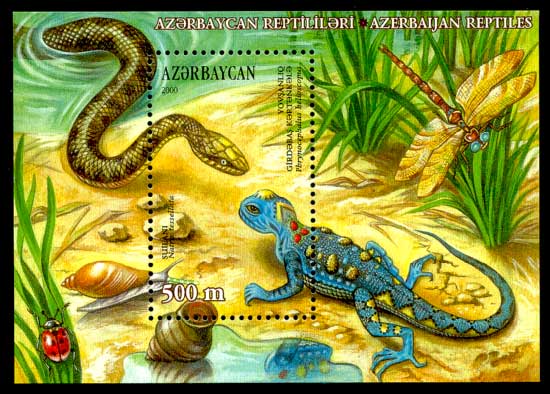
The Persian toad-headed agama (Phrynocephalus persicus) is a small, diurnal desert lizard found in the arid regions of Iran and potentially Azerbaijan. Characterized by its cryptic coloration that matches its sandy environment, this agamid species exhibits unique behaviors and physiological adaptations for desert life. It is known for its short lifespan and a diet primarily consisting of arthropods.

Apatani skink
The Apatani skink, scientifically known as Protoblepharus apatani, is a species of skink endemic to the East Himalayan Mountains. Discovered during research in India's Arunachal Pradesh, this lizard is characterized by its glossy, smooth or striated body scales and a golden-brown coloration with a distinctive dark stripe. Its generic name reflects primitive eyelids, while its specific epithet honors the Apatani tribe who aided in its discovery.