
Zootoca
Viviparous (live birth) for Zootoca vivipara; oviparous (egg-laying) may occur in some populations or for other species in the genus.
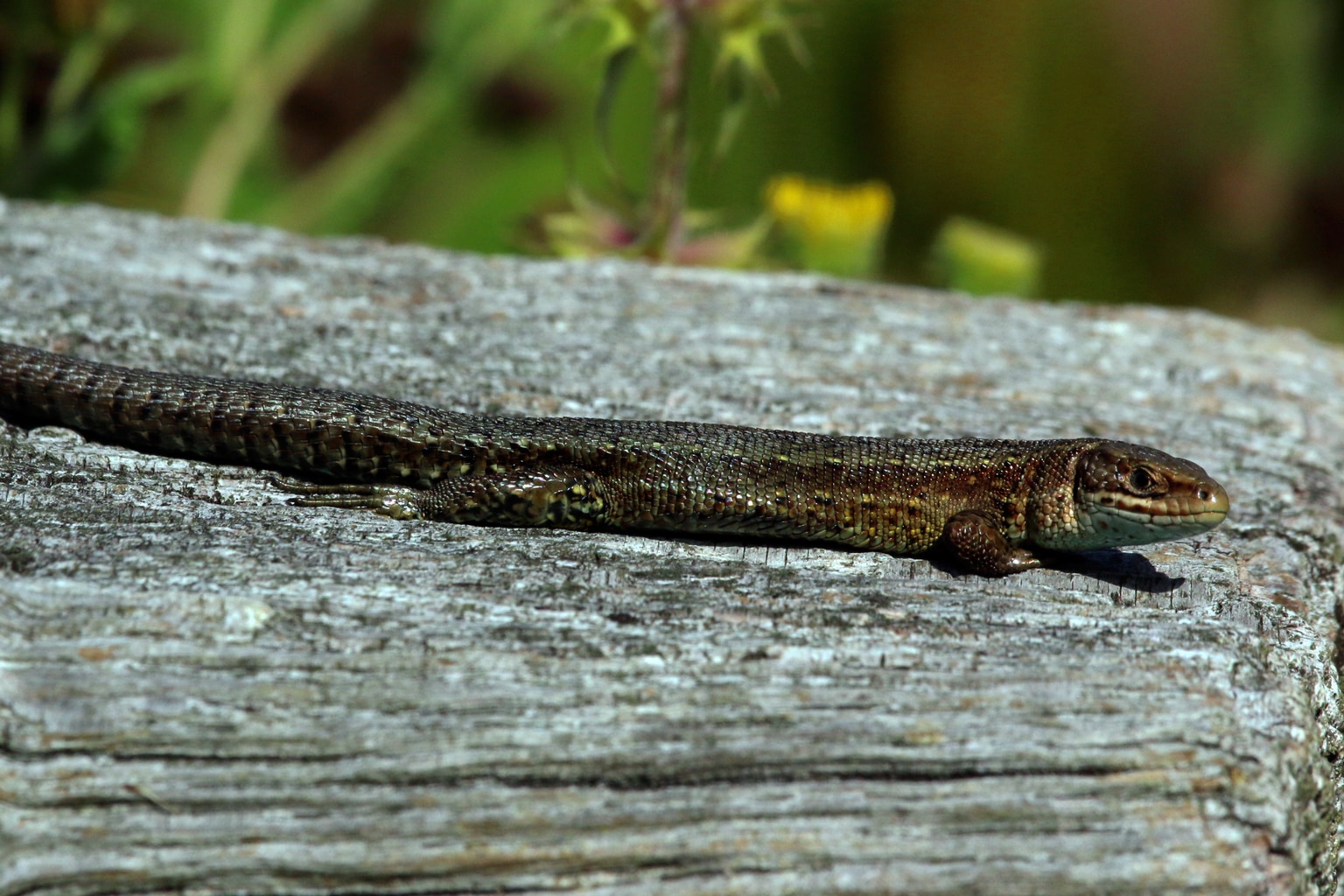
Zootoca is a genus of lizards belonging to the family Lacertidae. The genus currently contains two recognized species: Zootoca vivipara, commonly known as the viviparous lizard, and Zootoca carniolica. These lizards are found across various habitats, with Z. vivipara being notable for its widespread distribution and ability to reproduce via live birth.
Key Facts
- ›Zootoca is a genus within the Lacertidae family of lizards.
- ›It includes two recognized species: Zootoca vivipara and Zootoca carniolica.
- ›Zootoca vivipara is commonly referred to as the viviparous lizard.
- ›The genus name Zootoca originates from Greek words meaning 'living animal'.
- ›The viviparous lizard exhibits a wide geographic distribution.
Northern Eurasia
Grasslands, Heathlands, Open Woodlands, Bogs, Tundra
Small To Medium-Sized Lizards., Generally Brown Or Greyish In Coloration., Possess A Slender Body and A Long Tail.
Insects, Arthropods, Small Invertebrates
- Diurnal .
- Agile and Quick-Moving.
- Zootoca Vivipara Is Known For Its Viviparous Reproduction.
Birds of Prey, Snakes, Mammals
Habitat Loss and Fragmentation, Climate Change, Pollution
About Zootoca
Zootoca is a genus of lizards that belongs to the family Lacertidae, a group known for its diverse array of agile, ground-dwelling reptiles. This genus currently encompasses two recognized species: Zootoca vivipara and Zootoca carniolica. The name Zootoca itself is derived from Greek, combining 'zoo' (animal) and 'toca' (living), aptly reflecting the nature of these creatures.
The Viviparous Lizard
The most well-known member of this genus is Zootoca vivipara, commonly referred to as the viviparous lizard. This species is notable for its extensive geographic range, spanning across much of Northern Eurasia, and for its unique reproductive strategy. Unlike many reptiles that lay eggs, Zootoca vivipara is famous for giving birth to live young, a trait that is reflected in its common name.
Habitat and Diet
Species within the Zootoca genus are typically found in a variety of open and semi-open habitats. These can include grasslands, heathlands, open woodlands, bogs, and even tundra environments, particularly for Zootoca vivipara. Their diet primarily consists of insects and other small invertebrates, positioning them as important predators within their ecosystems. They are diurnal, meaning they are active during daylight hours, and are known for their quick movements and alertness.
Source: Wikipedia ↗
Frequently Asked Questions
What family do Zootoca lizards belong to?
Zootoca lizards belong to the family Lacertidae, which is a diverse group of agile, ground-dwelling lizards.
How many species are in the Zootoca genus?
There are currently two recognized species within the Zootoca genus: Zootoca vivipara and Zootoca carniolica.
What is the common name for Zootoca vivipara?
Zootoca vivipara is commonly known as the viviparous lizard, a name that reflects its reproductive strategy.
What does the name Zootoca mean?
The genus name Zootoca is derived from Greek words, with 'zoo' meaning 'animal' and 'toca' relating to 'living', suggesting 'living animal'.
Related Lizards

Carinascinus metallicus
The Metallic Skink (Carinascincus metallicus) is a viviparous lizard endemic to Australia, primarily found in Tasmania and southern Victoria. It is characterized by its metallic-scaled dorsal surface, which exhibits a range of colorations and patterns, and it gives birth to live young. This adaptable species inhabits diverse environments from coastal dunes to sclerophyll forests and woodlands, relying on basking to regulate its body temperature.

Ctenotus robustus
The Ctenotus robustus, commonly known as the eastern striped skink, is a large, fast-moving skink native to Australia. It is characterized by a distinctive white-edged black stripe running down its back and tail, set against a brown background with broader brown stripes and rows of white spots on its sides. This diurnal reptile prefers open habitats with available shelter and is widely distributed across various Australian states.

Varanus gouldii
Varanus gouldii, commonly known as Gould's monitor or the sand goanna, is a large Australian monitor lizard found across northern and eastern parts of the continent. These diurnal reptiles are characterized by their terrestrial nature, excavating large burrows for shelter, and are known for their voracious and varied diet, even consuming venomous snakes. They inhabit open woodlands and grasslands, with a subspecies, V. g. flavirufus, found in Australia's interior.