
Aa
Aa is a genus of orchids belonging to the Orchidaceae family, characterized by small white, non-resupinate flowers with fringed, hood-shaped lips. These orchids are typically found growing terrestrially in cold habitats near the snowline in the Andes, as well as in Costa Rica, often situated close to small streams. Their distinctive flowers emit a pungent smell that attracts flies, and the genus has a history of being included within the genus Altensteinia.
Key Facts
- ›Aa orchids are terrestrial plants found in cold, high-altitude habitats near snowlines.
- ›They typically grow near small streams.
- ›Flowers are small, white, and non-resupinate with a fringed, hood-shaped lip.
- ›The flowers produce a pungent smell to attract flies.
- ›The genus has a complex taxonomic history, often being grouped with Altensteinia.
- ›The genus name 'Aa' was chosen to appear first in alphabetical listings.

Terrestrial
Flies
About Aa
What is Aa?
The genus Aa comprises a group of orchids within the Orchidaceae family, notable for their unique characteristics and habitat. These plants are typically found growing terrestrially in cold environments, often near the snowline in the Andes mountain range, and also occur in Costa Rica. They have a strong association with small streams, usually growing in their vicinity.
Morphology and Characteristics
Species within the Aa genus are distinguished by their elongated inflorescence, which emerges from a basal rosette of leaves. The inflorescence terminates in a small flower that is white and non-resupinate. A defining feature of the Aa flower is its lip, which is notably fringed and hood-shaped. This unique floral structure is complemented by a pungent smell emitted by the flower, a scent that serves to attract flies, which are believed to be their primary pollinators.
Taxonomic History
The classification of Aa has seen some fluctuation. Historically, species within this genus have often been included under the broader orchid genus Altensteinia. The first scientific description of a species now recognized as belonging to the genus Aa was made in 1815 by Karl Sigismund Kunth, who initially named it Ophrys paleacea and later Altensteinia paleacea. Heinrich Gustav Reichenbach formally separated Aa from Altensteinia in 1854, establishing it as a distinct genus. However, Reichenbach later revisited this decision, renaming it Altensteinia again. It was not until 1912 that Rudolf Schlechter reinstated the name Aa, a change that gained more significance as additional species were discovered. The genus name 'Aa' is notable for its position as the first in alphabetical order, a characteristic likely intentional by its namer.
Source: Wikipedia ↗
Frequently Asked Questions
What are Aa orchids?
Aa orchids are a genus of plants in the Orchidaceae family. They are known for their small, white flowers with distinctive fringed lips and a pungent scent that attracts flies.
Where do Aa orchids grow?
These orchids are found growing terrestrially in cold habitats near the snowline in the Andes mountains and also in Costa Rica. They are typically located close to small streams.
What do Aa orchids look like?
Aa orchids have an elongated inflorescence that grows from a basal rosette of leaves. The flowers are small, white, and non-resupinate, featuring a lip that is fringed and hood-shaped.
Why is the genus named Aa?
The genus name 'Aa' was apparently chosen by its author to always appear first in alphabetical listings. Another disputed explanation suggests it was named after Pieter van der Aa, a printer.
What is the scent of Aa orchid flowers?
The flowers of Aa orchids give off a pungent smell. This distinct odor serves to attract flies, which are their natural pollinators.
Has the classification of Aa orchids changed over time?
Yes, the genus Aa has a complex taxonomic history. It was often included in the orchid genus Altensteinia and has been moved back and forth between these genera by different botanists over time.
Related Orchid species

Gravendeelia
Gravendeelia is a genus of orchids, distinguished by its single species, Gravendeelia chamaelepanthes. This orchid is an epiphyte native to the Andean regions of Colombia, Ecuador, Peru, and Bolivia, found at significant elevations.

Lepanthopsis
Lepanthopsis is a genus of orchids comprising approximately 43 known species, primarily found in the Andes and Caribbean regions, with extensions into Central America, southern Mexico, and Florida. These orchids are distinguished by their very small size, with many species featuring flowers less than one centimeter in diameter.
Comparettia
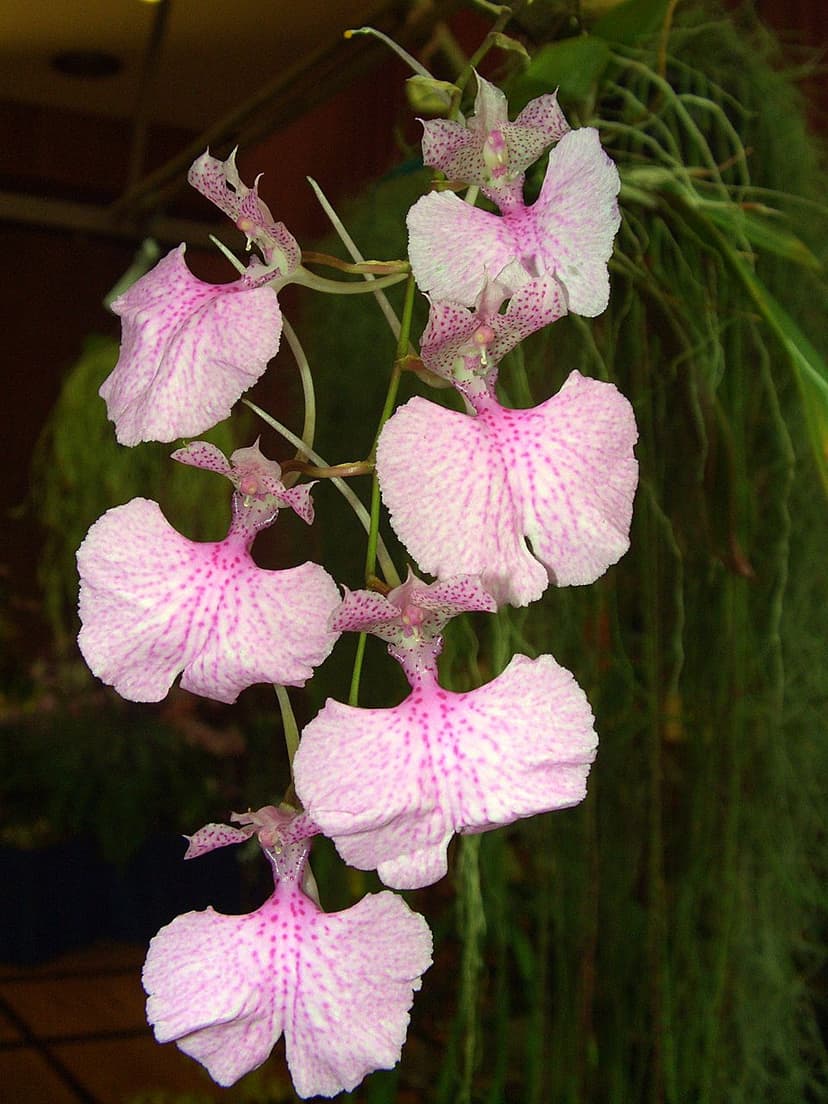
Comparettia is a genus of orchids native to tropical America, encompassing approximately 50-70 species. These orchids are found across Mexico, Central America, the West Indies, and northern South America, with a notable presence in the Andes. The genus has seen significant expansion in recent years due to the reclassification of numerous species from other orchid genera.