
Barbosella
Barbosella
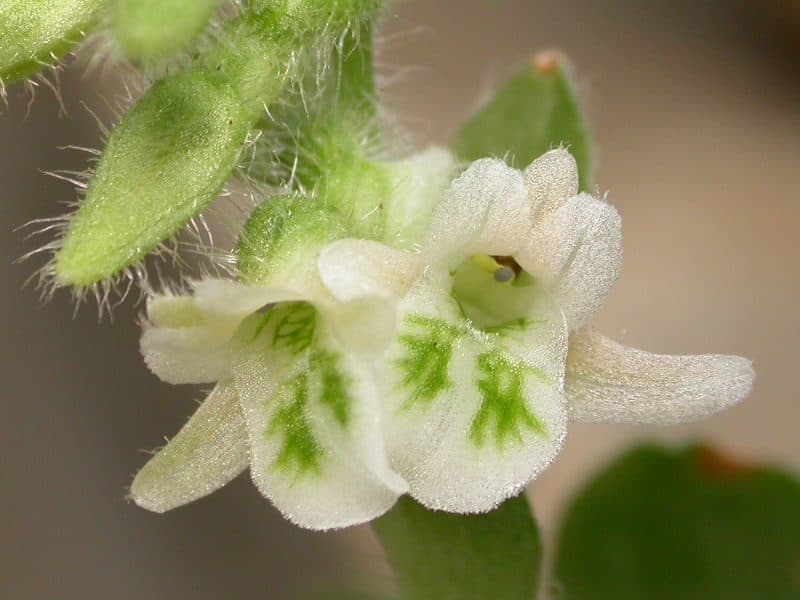
Barbosella is a genus of creeping orchids comprising about 20 species, primarily found across the West Indies and Latin America, from Mexico down to Argentina. These orchids are distinguished by their solitary flowers, which feature a unique lip base that functions like a ball and socket joint. The genus was named in honor of João Barbosa Rodrigues, a notable investigator of Brazilian orchids.
Key Facts
- ›Contains approximately 20 species.
- ›Native to the West Indies and Latin America, from Mexico to Argentina.
- ›Features solitary flowers with a distinctive ball-and-socket lip base.
- ›Named after João Barbosa Rodrigues, a Brazilian orchid researcher.
- ›Most species are creeping in habit.

West Indies, Latin America, Mexico, Lesser Antilles, Argentina, Panama, Brazil, Venezuela, Colombia, Bolivia, Ecuador, Peru, Costa Rica, Nicaragua, Guatemala, Cuba, Dominican Republic, Jamaica
Creeping
About Barbosella
Barbosella is a genus of orchids characterized predominantly by their creeping growth habit. This genus is home to approximately 20 species that are widely distributed across the West Indies and Latin America, with their natural range extending from Mexico and the Lesser Antilles down to Argentina.
The genus was established and named in recognition of João Barbosa Rodrigues, a notable researcher who dedicated significant effort to the study of Brazilian orchids. A distinctive feature of Barbosella flowers is their solitary presentation, each possessing a unique lip base that functions akin to a ball and socket joint, providing a remarkable mechanical characteristic.
While the genus itself is recognized, certain taxonomic distinctions have been proposed and subsequently revised. For example, Barbosella miersii was once considered distinct enough to warrant its own monotypic genus, Barbrodria, due to differences in its lip structure. However, this classification is not currently upheld by major botanical authorities such as the World Checklist of Selected Plant Families (WCSP), which integrates it back into the Barbosella genus.
Numerous species fall under the Barbosella umbrella, each with specific geographical occurrences. For instance, Barbosella australis is found in Brazil, Barbosella circinata in Panama, and Barbosella cucullata in a range of South American countries including Venezuela, Colombia, Bolivia, Ecuador, and Peru. Barbosella prorepens exhibits one of the most extensive distributions, spanning from Mexico through Central America and into numerous South American nations like Cuba, Jamaica, and Bolivia.
Over time, many species have been described under various synonyms, reflecting ongoing taxonomic research and reclassifications. These synonyms, such as Barbosella anaristella being a synonym for Barbosella dolichorhiza, highlight the dynamic nature of botanical classification. Despite these taxonomic shifts, the core characteristics of creeping growth and unique floral morphology remain central to the identity of the Barbosella genus.
Source: Wikipedia ↗
Frequently Asked Questions
What are the key characteristics of Barbosella orchids?
Barbosella orchids are known for their creeping growth habit and solitary flowers. A distinctive feature is their unique lip base, which operates like a ball and socket joint, a characteristic that sets them apart.
Where is the Barbosella genus found naturally?
The genus Barbosella has a wide distribution, extending across the West Indies and Latin America. Their natural range includes areas from Mexico and the Lesser Antilles all the way down to Argentina.
How many species are in the Barbosella genus?
The genus Barbosella encompasses around 20 species. These species are spread across a broad geographical area in the Americas.
Who is the Barbosella genus named after?
The genus Barbosella was named in honor of João Barbosa Rodrigues. He was a significant investigator of Brazilian orchids, and his work contributed to the understanding of orchid diversity.
Related Orchid species
Lankesterella
Lankesterella is a genus of flowering plants belonging to the orchid family, Orchidaceae. Primarily found in South America, several species extend their range northward into the Caribbean and Central America. The genus is distinguished by its diverse geographical distribution and numerous recognized species.

Gongora
Gongora is a genus of orchids belonging to the family Orchidaceae, comprising around 65 species primarily found in Central America and tropical South America, with a significant concentration in Colombia. These epiphytic plants are distinguished by their pendulous inflorescences bearing numerous flowers that hang upside down, often with distinctive fragrances and waxy blooms. The genus is named in honor of Antonio Caballero y Gongora, a Spanish viceroy and governor.

Dryadella
Dryadella is a genus of miniature orchids, recognized for their small, often conspicuously spotted flowers borne at the base of the leaves. Originally part of the Masdevallia genus, these orchids are native to a wide range across Central and South America, from Mexico to Argentina. Many species thrive when mounted on cork or treefern, with some, like Dryadella edwallii, being particularly amenable to cultivation.