
Chamaegastrodia
Chamaegastrodia
Chamaegastrodia is a genus of flowering plants belonging to the orchid family, Orchidaceae. Currently, four species are recognized, all of which are indigenous to eastern Asia and the Himalayas. These orchids are characterized by their terrestrial growth habit and are found in diverse geographical locations within their native range.
Key Facts
- ›Chamaegastrodia is a genus within the Orchidaceae family.
- ›Four species are currently recognized within the genus.
- ›All known species are native to eastern Asia and the Himalayas.
- ›The genus includes species such as Chamaegastrodia guidongensis, C. inverta, C. shikokiana, and C. vaginata.
- ›Species are found in regions including Japan, Korea, Assam, Bhutan, Nepal, and various provinces in China.

Terrestrial
About Chamaegastrodia
Chamaegastrodia is a genus comprising flowering plants within the Orchidaceae family. As of recent botanical records, four species are recognized, all of which are native to the eastern regions of Asia and the Himalayan mountain range. This genus is characterized by its terrestrial growth habit, meaning the plants grow in soil rather than on trees or rocks.
Distribution and Species
The natural distribution of Chamaegastrodia species is concentrated in specific areas of eastern Asia and the Himalayas. Among the recognized species are Chamaegastrodia guidongensis, Chamaegastrodia inverta, Chamaegastrodia shikokiana, and Chamaegastrodia vaginata. These species have been documented in various locations, including Japan, Korea, Bhutan, Nepal, Assam, and several provinces within China such as Sichuan, Tibet, and Hubei.
Botanical Classification
Belonging to the vast and diverse Orchidaceae family, Chamaegastrodia contributes to the rich biodiversity of orchids found globally. Its classification as a terrestrial orchid places it in contrast to epiphytic orchids, which grow on other plants, and lithophytic orchids, which grow on rocks. The specific ecological niches occupied by these species within their native habitats are integral to their survival and propagation.
Source: Wikipedia ↗
Frequently Asked Questions
What family does Chamaegastrodia belong to?
Chamaegastrodia is a genus of flowering plants that belongs to the orchid family, Orchidaceae. This family is known for its diverse and often complex floral structures.
How many species are in the Chamaegastrodia genus?
As of May 2014, there are four species currently recognized within the Chamaegastrodia genus. These include Chamaegastrodia guidongensis, Chamaegastrodia inverta, Chamaegastrodia shikokiana, and Chamaegastrodia vaginata.
Where are Chamaegastrodia orchids found naturally?
All known species of Chamaegastrodia are native to eastern Asia and the Himalayas. Their natural distribution spans across various countries and regions within this extensive geographical area.
Which specific regions are home to Chamaegastrodia species?
Chamaegastrodia species can be found in diverse locations such as Japan, Korea, Assam, Bhutan, Nepal, and several provinces in China, including Sichuan and Tibet.
Related Orchid species
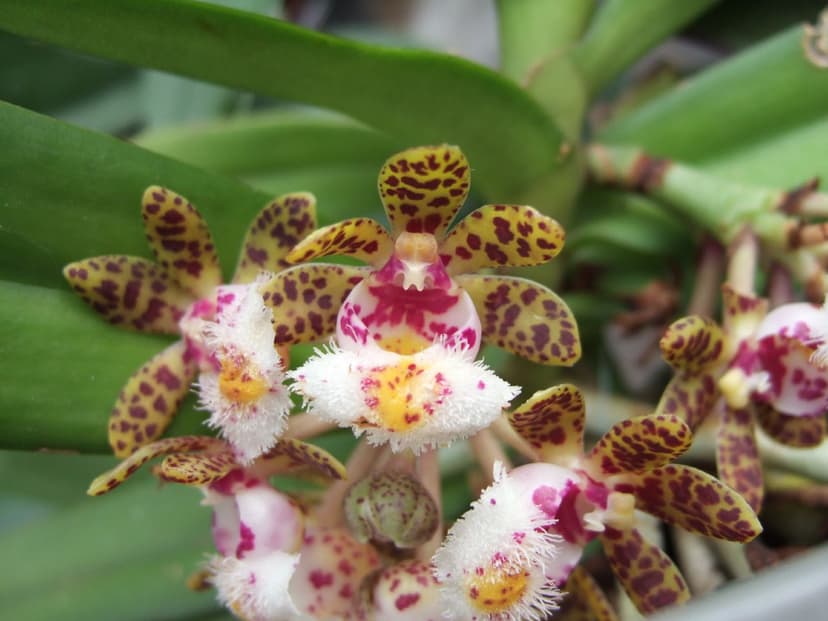
Gastrochilus
Gastrochilus is a genus of plants belonging to the Orchidaceae family, native to eastern and southeastern Asia. This genus is recognized by its abbreviation 'Gchls' in the horticultural trade. Species within Gastrochilus are found across a wide geographical range, including China, Japan, and Nepal.

Cremastra
Cremastra is a genus of flowering plants belonging to the orchid family, Orchidaceae. It encompasses four recognized species, predominantly found in East Asia and Southeast Asia, including regions like China, Japan, Korea, Thailand, the Himalayas, and the Russian Far East. These orchids are distinguished by their botanical classification within the Orchidaceae family.
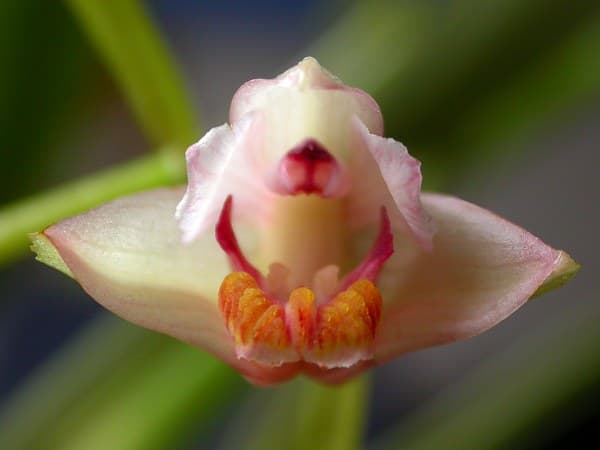
Cryptochilus
Cryptochilus is a genus of flowering plants belonging to the orchid family, Orchidaceae. These orchids are indigenous to regions spanning China, the Himalayas, and Indochina. The genus is characterized by its diverse species, each with specific geographical distributions within these broad areas.