
Chrysoglossum
Chrysoglossum
Chrysoglossum is a genus of flowering plants belonging to the orchid family, Orchidaceae. It encompasses four species found across a wide geographic range, including China, the Indian subcontinent, Southeast Asia, New Guinea, and islands of the western Pacific. The genus is distinguished by its distribution and the specific species that comprise it, each with its own particular habitat.
Key Facts
- ›Chrysoglossum is a genus within the Orchidaceae family.
- ›There are four recognized species in the genus Chrysoglossum.
- ›These orchids are native to a broad region spanning China, the Indian subcontinent, Southeast Asia, New Guinea, and western Pacific islands.
- ›Notable species include Chrysoglossum assamicum, Chrysoglossum ensigerum, Chrysoglossum ornatum, and Chrysoglossum reticulatum.
- ›Chrysoglossum ornatum has the widest distribution, found across numerous countries in Asia and Oceania.

About Chrysoglossum
The genus Chrysoglossum represents a group of flowering plants belonging to the Orchidaceae family, commonly known as orchids. This genus is characterized by its four distinct species, which collectively inhabit a broad geographical expanse.
Distribution and Species
The native range of Chrysoglossum orchids is extensive, extending across China, the Indian subcontinent, Southeast Asia, New Guinea, and a number of islands located in the western Pacific Ocean. Among the recognized species are Chrysoglossum assamicum, found in regions like Guangxi, Tibet, Assam, Thailand, and Vietnam; Chrysoglossum ensigerum, native to Sumatra; Chrysoglossum reticulatum, occurring in Sabah and Sarawak; and Chrysoglossum ornatum. The latter, Chrysoglossum ornatum, exhibits the widest distribution, being recorded in numerous countries across Asia and Oceania, including India, Nepal, Sri Lanka, Cambodia, Thailand, Vietnam, Malaysia, Indonesia (Java, Borneo, Sulawesi, Sumatra), the Philippines, New Guinea, and Pacific islands such as Fiji, New Caledonia, Samoa, and Vanuatu, as well as parts of China and Taiwan.
Source: Wikipedia ↗
Frequently Asked Questions
What is Chrysoglossum?
Chrysoglossum is a genus of flowering plants that are part of the orchid family, Orchidaceae. It is composed of four distinct species.
Where are Chrysoglossum orchids found?
The natural habitat of Chrysoglossum orchids extends across a large geographical area. They are native to China, the Indian subcontinent, Southeast Asia, New Guinea, and various islands in the western Pacific Ocean.
How many species are in the Chrysoglossum genus?
There are four recognized species within the Chrysoglossum genus. These include Chrysoglossum assamicum, Chrysoglossum ensigerum, Chrysoglossum ornatum, and Chrysoglossum reticulatum.
Which Chrysoglossum species has the widest distribution?
Chrysoglossum ornatum is the species with the most extensive distribution. It can be found in countries such as India, Nepal, Sri Lanka, Vietnam, Thailand, Malaysia, the Philippines, China, New Guinea, and several Pacific islands including Fiji and Samoa.
Related Orchid species
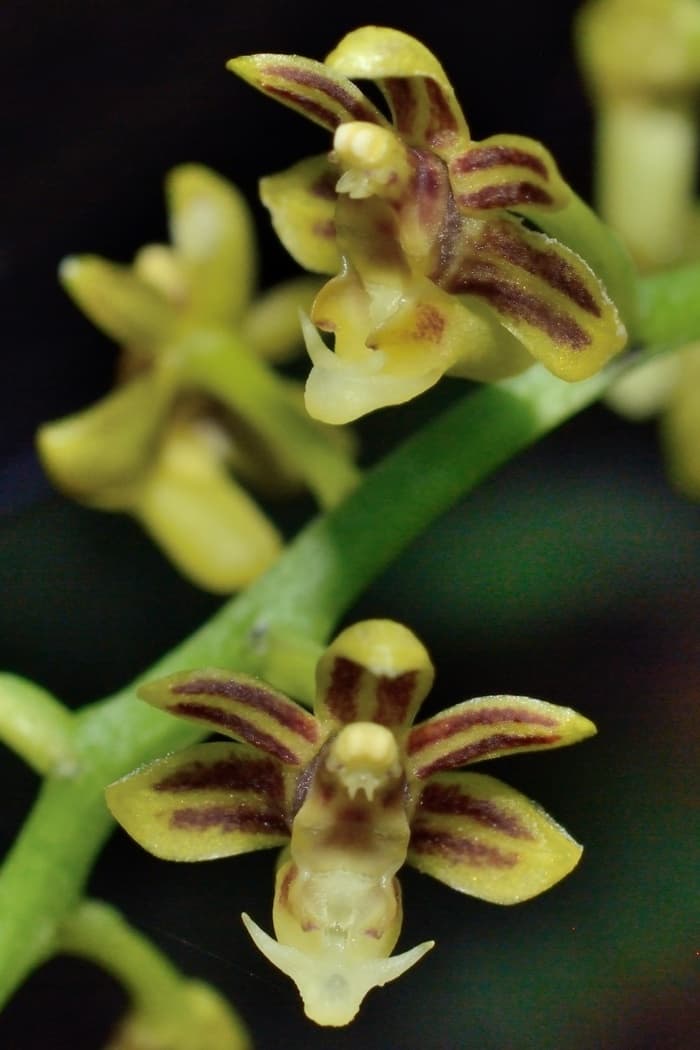
Cleisostoma
Cleisostoma is a genus of orchids comprising approximately 90 accepted species. These orchids are widely distributed across the Indian subcontinent, Southeast Asia, China, New Guinea, and parts of the Western Pacific. The genus is recognized by the orchid abbreviation 'Cleis'.
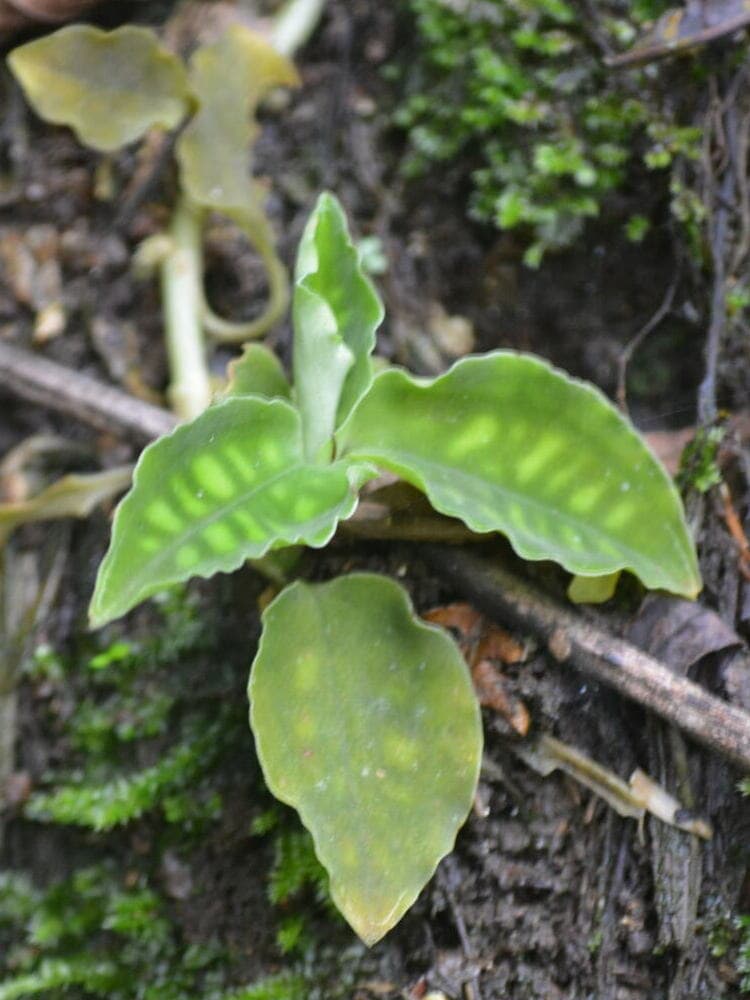
Cystorchis
Cystorchis is a genus of flowering plants belonging to the orchid family, Orchidaceae. With 21 accepted species, it is primarily found in New Guinea, Southeast Asia, and the islands of the western Pacific. The genus is characterized by its diverse species, each adapted to various tropical environments.
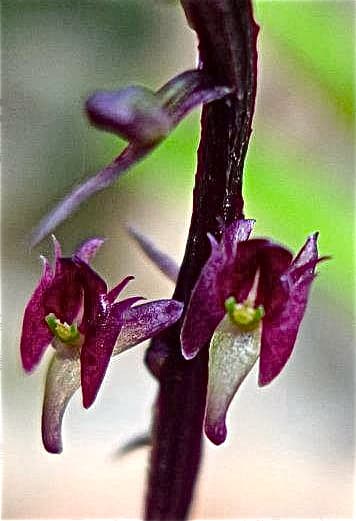
Crepidium
Crepidium, also known by its Chinese name 沼兰属 (zhao lan shu) and commonly as spur orchids, is a genus of approximately three hundred species of evergreen orchids. These plants are predominantly terrestrial, characterized by short, ground-hugging stems, large pleated leaves, and small, non-resupinate flowers with spreading sepals and petals. The genus is widely distributed across the tropics, with a significant diversity found in New Guinea.