
Cranichis
Cranichis
Cranichis is a genus of flowering plants belonging to the orchid family, Orchidaceae. It encompasses approximately 50 species found across South America, Central America, Mexico, and the West Indies, with one species extending its range into Florida. These orchids are characterized by their terrestrial growth habit and are often found in humid environments.
Key Facts
- ›Contains about 50 known species.
- ›Native to South America, Central America, Mexico, and the West Indies.
- ›One species, C. muscosa, is found in Florida.
- ›Belongs to the Orchidaceae family.
- ›Primarily terrestrial orchids.

Terrestrial
About Cranichis
Cranichis is a genus of flowering plants belonging to the diverse and widespread Orchidaceae family. The genus is notable for its approximately 50 species, which are predominantly terrestrial in their growth habit. These orchids are native to a broad geographical range that spans South America, Central America, Mexico, and the West Indies. A single species, Cranichis muscosa, extends its natural distribution northward into Florida, United States, making it one of the orchids found in that region.
Characteristics and Distribution
The species within the Cranichis genus are primarily characterized by their ability to grow in soil, distinguishing them from many other orchids that are epiphytic (growing on trees) or lithophytic (growing on rocks). This terrestrial nature means they typically inhabit forest floors, shaded woodlands, and other ground-level environments where sufficient moisture and organic matter are available. Their distribution across the Americas suggests an adaptation to a variety of tropical and subtropical climates, though specific habitat preferences can vary between individual species.
Taxonomy and Classification
As part of the Orchidaceae family, Cranichis shares botanical characteristics with a vast array of other orchid genera. The genus was first described and established in botanical literature, with foundational taxonomic work contributing to its recognition. The approximately 50 species attributed to Cranichis represent a significant portion of the terrestrial orchids found within its native regions.
Source: Wikipedia ↗
Frequently Asked Questions
What is the Cranichis genus?
Cranichis is a genus of flowering plants within the orchid family, Orchidaceae. It includes a significant number of species known for their terrestrial growth habit.
Where are Cranichis orchids found naturally?
These orchids are naturally distributed across a wide geographical area, including South America, Central America, Mexico, and the West Indies. One species, Cranichis muscosa, also extends into Florida in the United States.
How many species are in the Cranichis genus?
The Cranichis genus is estimated to contain around 50 different species. This diversity contributes to their presence across various tropical and subtropical regions.
What type of environment do Cranichis orchids typically grow in?
Cranichis orchids are predominantly terrestrial, meaning they grow in soil rather than on trees or rocks. They are often found in humid and shaded environments suitable for ground-dwelling plants.
Related Orchid species

Beloglottis
Beloglottis is a genus of orchids belonging to the tribe Cranichideae and subtribe Spiranthinae. These terrestrial plants are known for their erect stems, fleshy roots, and basal leaves. Some species within this genus are recognized for their potential use as herbal supplements.
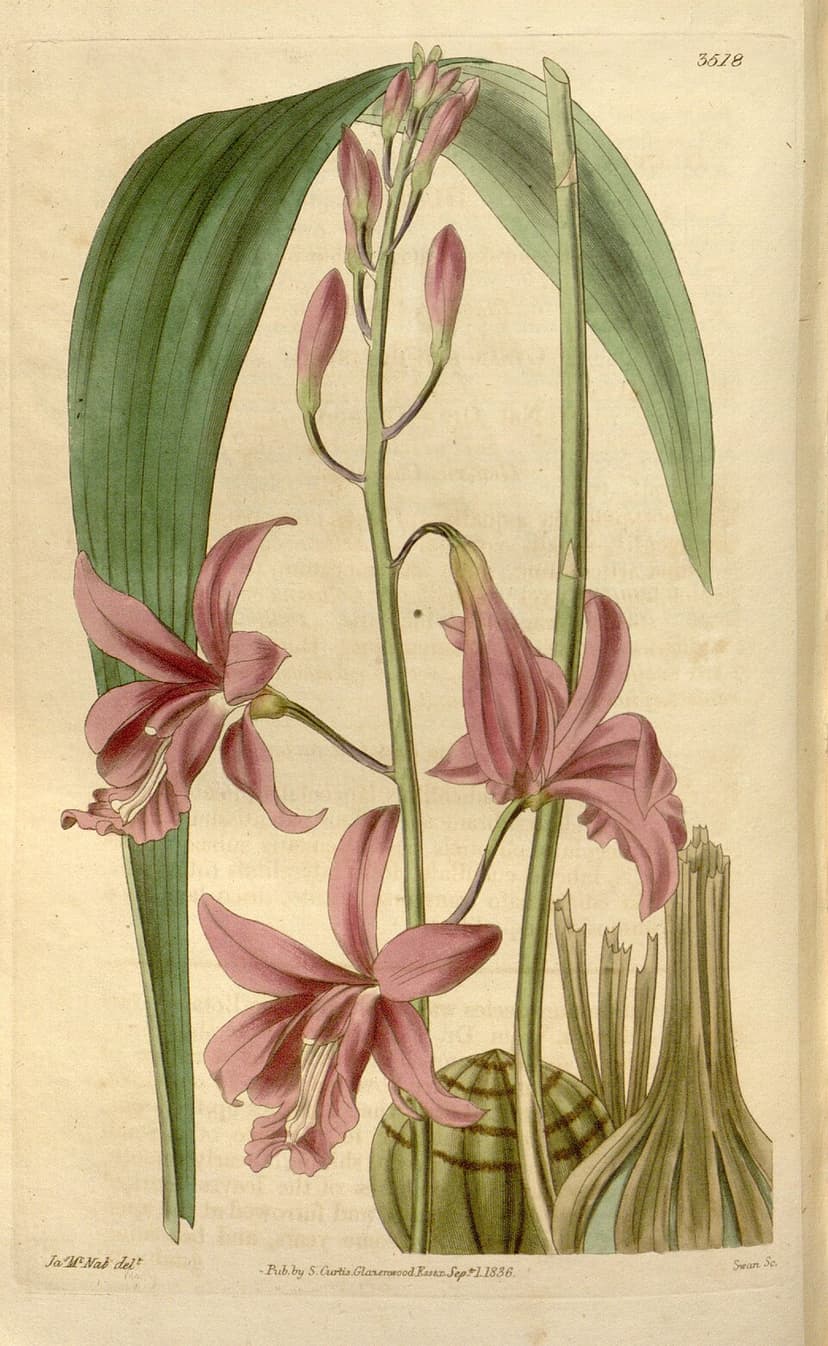
Bletia
Bletia is a genus of approximately 30 species of terrestrial orchids, with some also growing as lithophytes or epiphytes. Named in honor of Spanish botanist Don Luis Blet, this genus is widely distributed across regions including Florida, Mexico, Central America, the West Indies, and South America down to Argentina.

Campylocentrum
Campylocentrum is a genus of rare orchids belonging to the family Orchidaceae. These plants are native to Mexico, the West Indies, Central America, and South America, with one species extending into Florida. They are distinctive for their often leafless growth habit and are typically pollinated by small moths and bees.