
Govenia
Govenia
Govenia is a genus of orchids belonging to the family Orchidaceae, native to Mexico, Central and South America, the West Indies, and Florida. These plants are characterized by their cormous, egg-shaped pseudobulbs and thin, paired, plicate leaves. The genus name honors J.R. Gowen, secretary of the Horticultural Society of London.
Key Facts
- ›Govenia orchids are found in Mexico, Central and South America, the West Indies, and Florida.
- ›They possess egg-shaped pseudobulbs and distinctively paired, thin, plicate leaves.
- ›The genus name commemorates J.R. Gowen, a secretary of the Horticultural Society of London.
- ›Species within this genus can be terrestrial or sometimes epiphytic.
- ›The official abbreviation for the genus is Gov.
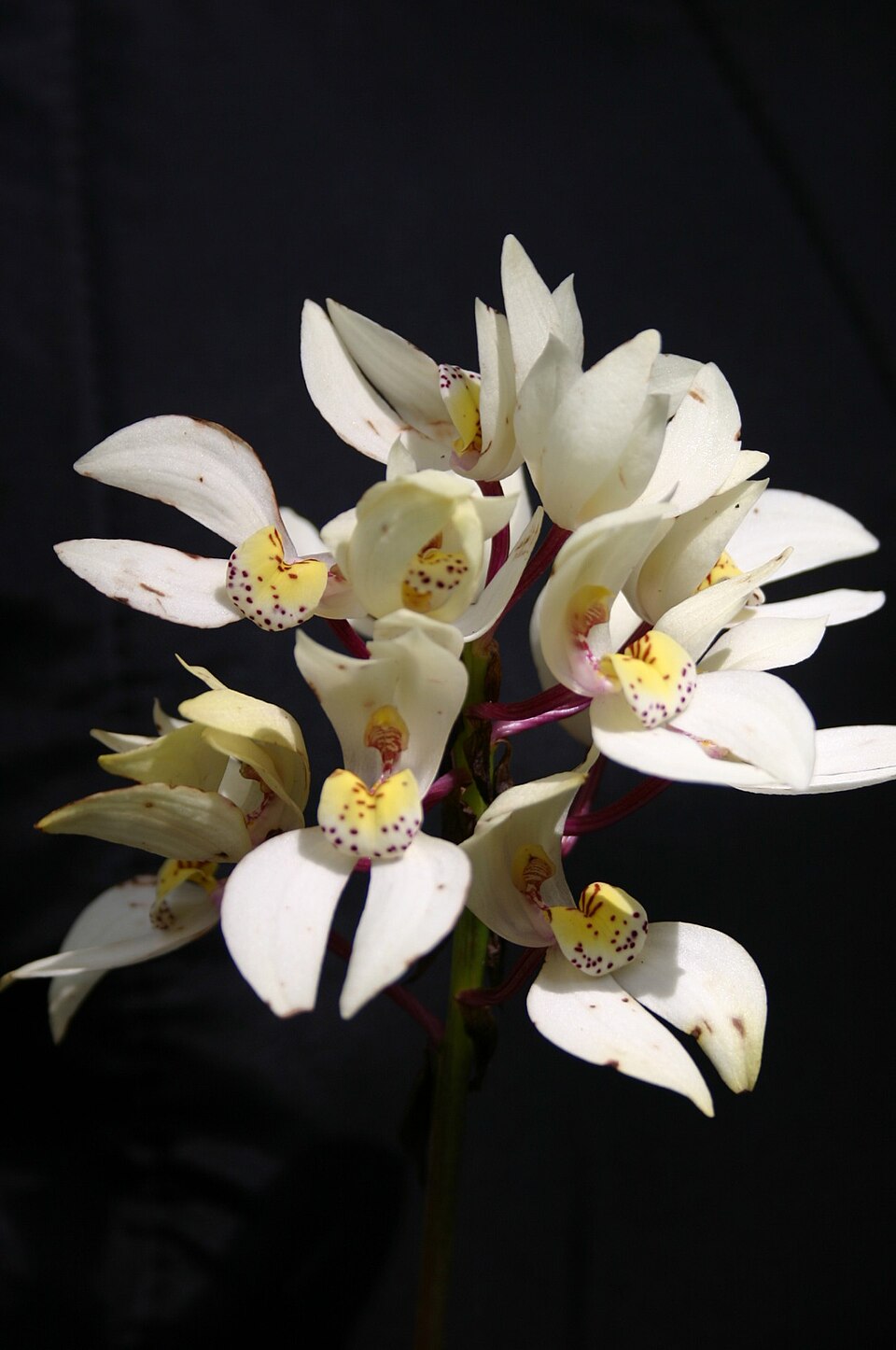
Terrestrial, Epiphytic
About Govenia
Govenia is a genus of orchids that includes several species native to various parts of the Americas. Belonging to the family Orchidaceae, these plants are recognized for their unique morphology and geographical distribution.
Botanical Characteristics
The species within the Govenia genus are typically terrestrial, meaning they grow in soil, though some have adapted to an epiphytic lifestyle, growing on other plants. A defining feature of Govenia is their cormous, egg-shaped pseudobulbs. These are fleshy, underground stems that store nutrients and water. The leaves of Govenia orchids are characteristically thin and plicate, meaning they have a folded or wrinkled texture. Importantly, these leaves always appear in pairs.
Geographic Distribution
The natural habitat of Govenia orchids spans a considerable area, encompassing Mexico, Central America, South America, the West Indies, and the state of Florida in the United States. This wide distribution indicates a degree of adaptability to different environmental conditions within these tropical and subtropical regions.
Naming and Classification
The genus Govenia was established with Govenia superba as its type species, which was originally classified under the genus Maxillaria. The name 'Govenia' was chosen to honor J.R. Gowen, who served as the secretary of the Horticultural Society of London. The official abbreviation for this genus, as recognized by the Royal Horticultural Society, is 'Gov.'
Source: Wikipedia ↗
Frequently Asked Questions
What is Govenia?
Govenia is a genus of flowering plants in the orchid family, Orchidaceae. It is characterized by its terrestrial or sometimes epiphytic growth habit and distinctive pseudobulbs and leaves.
Where are Govenia orchids found?
Govenia species are native to a wide geographic range, including Mexico, Central America, South America, the West Indies, and Florida.
What are the notable physical characteristics of Govenia orchids?
These orchids typically have cormous, egg-shaped pseudobulbs. Their leaves are thin, plicate, and always occur in pairs.
What is the origin of the name Govenia?
The genus name Govenia was established to commemorate J.R. Gowen, who served as the secretary of the Horticultural Society of London.
Are all Govenia orchids terrestrial?
No, while many Govenia species are terrestrial, some are also known to grow epiphytically, meaning they live on other plants.
Related Orchid species

Campylocentrum
Campylocentrum is a genus of rare orchids belonging to the family Orchidaceae. These plants are native to Mexico, the West Indies, Central America, and South America, with one species extending into Florida. They are distinctive for their often leafless growth habit and are typically pollinated by small moths and bees.

Beloglottis
Beloglottis is a genus of orchids belonging to the tribe Cranichideae and subtribe Spiranthinae. These terrestrial plants are known for their erect stems, fleshy roots, and basal leaves. Some species within this genus are recognized for their potential use as herbal supplements.
Bletia
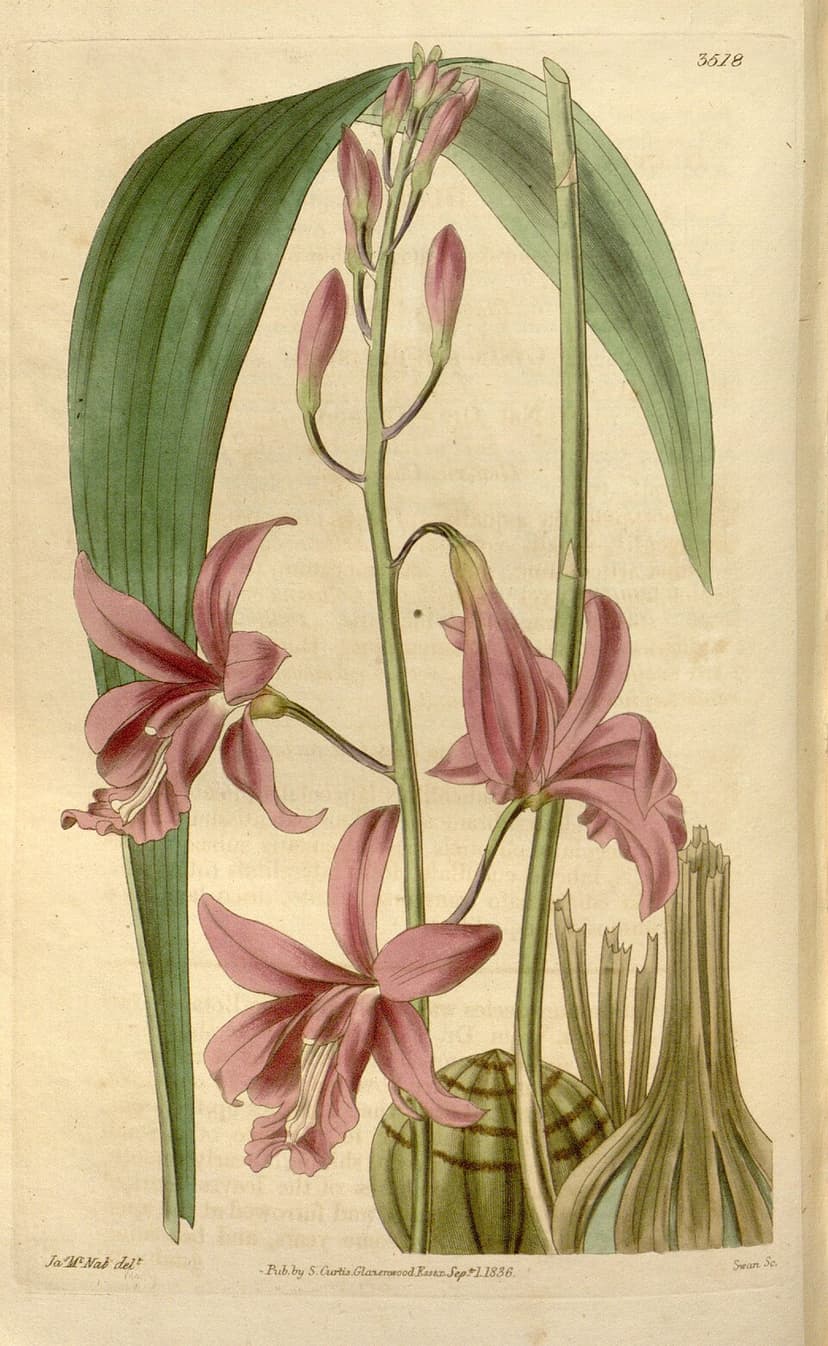
Bletia is a genus of approximately 30 species of terrestrial orchids, with some also growing as lithophytes or epiphytes. Named in honor of Spanish botanist Don Luis Blet, this genus is widely distributed across regions including Florida, Mexico, Central America, the West Indies, and South America down to Argentina.