
Kuala Lumpur sinkhole
dissolution·Malaysia·limestone
The 2024 Kuala Lumpur sinkhole, also known as the Jalan Masjid India sinkhole, is an 8-meter deep sinkhole that formed in Kuala Lumpur, Malaysia, on August 23, 2024. Its formation is possibly linked to sewage pipe ruptures and geographical faults, and tragically resulted in the disappearance and subsequent legal declaration of death of one victim, Vijayalakshmi Gali.
Key Facts
- ›Formed on August 23, 2024, on Jalan Masjid India in Kuala Lumpur, Malaysia.
- ›Approximately 8 meters (26 ft) deep.
- ›A square-shaped hole formed, with a broken sewerage pipe at the bottom.
- ›Led to the disappearance of Vijayalakshmi Gali, who was later declared legally dead.
- ›Possible causes include sewage pipe ruptures, geographical faults, limestone soil composition, and heavy rain.
- ›A second, smaller sinkhole appeared nearby on August 28, 2024.

Jalan Masjid India sinkhole
- Involvement of A Broken Sewerage Pipe At the Bottom
- Tragic Disappearance of A Victim
Sewage Water
About Kuala Lumpur sinkhole
The 2024 Kuala Lumpur Sinkhole
The 2024 Kuala Lumpur sinkhole, also referred to as the Jalan Masjid India sinkhole, is a significant geological event that occurred in the heart of Kuala Lumpur, Malaysia, on August 23, 2024. This sinkhole, measuring approximately 8 meters (26 feet) in depth, formed suddenly on Jalan Masjid India and is believed to be a result of a combination of factors, including potential ruptures in sewage pipes and underlying geographical faults. The incident gained widespread attention due to the tragic disappearance of a victim, Vijayalakshmi Gali, who fell into the sinkhole and was subsequently declared legally dead by Malaysian authorities.
Incident and Rescue Efforts
The sinkhole manifested as a square-shaped cavity, revealing a broken sewerage pipe at its base. The immediate aftermath saw extensive search and rescue operations involving multiple agencies. These efforts were notably challenged by strong underground water currents and rising water levels within the sewerage system, making the recovery of the victim extremely difficult. The operation was eventually suspended due to the hazardous conditions.
Geological Context and Contributing Factors
Experts have suggested that the formation of the sinkhole may be linked to the area's limestone soil composition, which can disrupt underground water flow and lead to soil instability. Heavy rainfall preceding the event likely exacerbated the situation by saturating the ground and increasing subsurface water movement. The incident prompted discussions and calls for improved underground mapping systems to enhance public safety in sinkhole-prone areas of Kuala Lumpur.
Subsequent Events and Impact
Following the initial sinkhole, a second, smaller sinkhole appeared approximately 50 meters away on the same street just days later, raising further concerns about infrastructure and geological stability in the vicinity. The incident also had an impact on local businesses, with reports of declining trade in the Masjid India area due to public apprehension. The government has assured the public that Kuala Lumpur remains safe for tourism and residents, while also committing to investigating the underlying causes and implementing necessary safety measures.
Source: Wikipedia ↗
Frequently Asked Questions
What caused the Kuala Lumpur sinkhole?
The exact cause is still under investigation, but possibilities include ruptures in sewage pipes, geographical faults, instability in limestone soil structures, and the effects of heavy rainfall saturating the ground. The presence of a broken sewerage pipe at the bottom of the sinkhole is a significant factor.
Who was the victim of the Kuala Lumpur sinkhole?
The victim was identified as Vijayalakshmi Gali, a 48-year-old Indian woman from Andhra Pradesh, India. She was on holiday in Kuala Lumpur and disappeared into the sinkhole while walking with a friend. She was later declared legally dead by Malaysian authorities.
How deep is the Kuala Lumpur sinkhole?
The sinkhole is approximately 8 meters (26 feet) deep. A broken sewerage pipe was found at the bottom of this cavity.
When did the Kuala Lumpur sinkhole form?
The sinkhole formed on the morning of August 23, 2024. A second, smaller sinkhole appeared in the same street approximately 50 meters away on August 28, 2024.
What was the search and rescue effort like?
A large-scale search and rescue operation was launched immediately after the incident. It involved firefighters, rescue teams, tracking dogs, excavators, and specialized equipment. Efforts were hampered by strong underground water flow, rising water levels, and undercurrents, leading to the eventual cancellation of the operation due to safety concerns.
Has Kuala Lumpur experienced sinkholes before?
Yes, there have been similar incidents in Kuala Lumpur in recent years, although they may not have been widely reported if they did not involve casualties or damage to vehicles. A 10-meter-deep sinkhole in 2014 was attributed to a burst water pipe.
Related Sinkholes

Big Basin Prairie Preserve
The Big Basin Prairie Preserve in Kansas encompasses a significant sinkhole system, most notably the mile-wide Big Basin and the water-filled St. Jacob's Well. These geological features, formed by sinkhole activity, are historically notable as resting places for the Northern Cheyenne and landmarks for cattle drives. The preserve is a designated National Natural Landmark, managed to protect its unique landscape and wildlife.
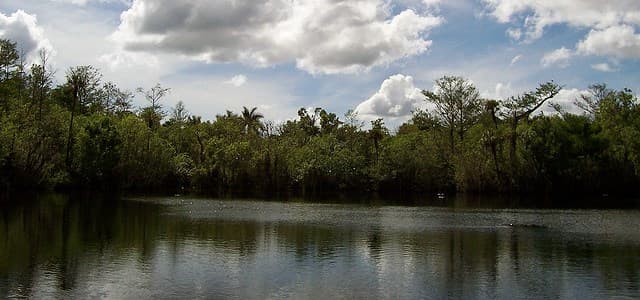
Deep Lake (Florida)
Deep Lake is a natural sinkhole located within Florida's Big Cypress National Preserve. It is geologically significant as the deepest lake south of Lake Okeechobee and one of the deepest in the entire state, forming the namesake for the surrounding community and a nearby swamp strand.

Devil's Millhopper Geological State Park
Devil's Millhopper Geological State Park features a massive sinkhole in Florida, notable for its exposed limestone layers and the unique ecological environments it supports. The sinkhole's formation through limestone dissolution has created a dramatic geological record, making it a significant site for scientific study and public appreciation of karst topography.