
Drymusidae
The hunting strategy employed by Drymusidae spiders is not detailed.
Drymusidae is a family of araneomorph spiders first described by Eugène Simon in 1893. The family was elevated to its current status by Pekka T. Lehtinen in 1986 and currently includes two genera and nineteen species.
Key Facts
- ›Belongs to the order Araneomorphae.
- ›First described by Eugène Simon in 1893.
- ›Elevated to family status by Pekka T. Lehtinen in 1986.
- ›Currently comprises two genera.
- ›Contains nineteen known species as of January 2026.
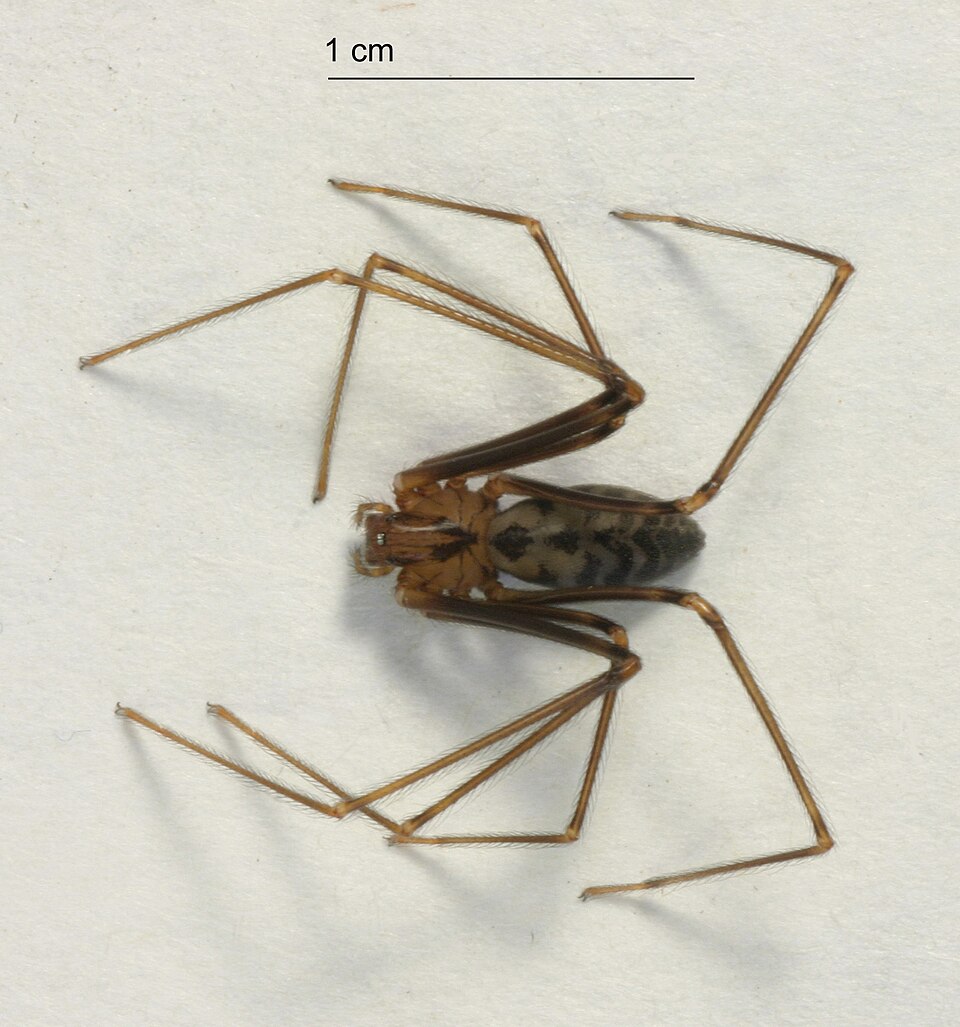
About Drymusidae
Drymusidae is a taxonomic family of araneomorph spiders, first formally identified by the arachnologist Eugène Simon in 1893. The classification of this group was further refined and elevated to its current family status by Pekka T. Lehtinen in 1986. As of early 2026, the family encompasses two distinct genera, which together comprise a total of nineteen described species.
Taxonomy and Classification
The placement of Drymusidae within the broader order Araneomorphae signifies its evolutionary lineage. The initial description by Simon provided the foundational characteristics, while Lehtinen's later work solidified its position as a distinct family. This ongoing scientific effort to categorize and understand spider diversity highlights the dynamic nature of taxonomy.
Source: Wikipedia ↗
Frequently Asked Questions
When was the family Drymusidae first described?
The family Drymusidae was first described by Eugène Simon in the year 1893. This initial description laid the groundwork for its later formal recognition.
Who elevated Drymusidae to family status?
The elevation of Drymusidae to its current family status was performed by Pekka T. Lehtinen. This was a significant taxonomic reassessment that occurred in 1986.
How many genera and species are currently recognized in Drymusidae?
As of January 2026, the Drymusidae family is recognized to include two genera. Within these genera, there are nineteen distinct species.