
Alameda Wildlife Conservation Park
The Alameda Wildlife Conservation Park (AWCP) is a small wildlife park located within the Gibraltar Botanic Gardens. Established in 1994, it primarily houses animals confiscated from illegal traders and serves as an important educational resource for local schools, raising awareness about illegal wildlife trade and local conservation efforts.
Key Facts
- ›Founded in 1994 from confiscated animals.
- ›Re-established as a conservation park in 1996 on the site of a former miniature golf course.
- ›Focuses on housing confiscated animals and supporting local native species for potential re-introduction.
- ›Serves as an educational resource for local schools.
- ›Open year-round except for specific holidays.
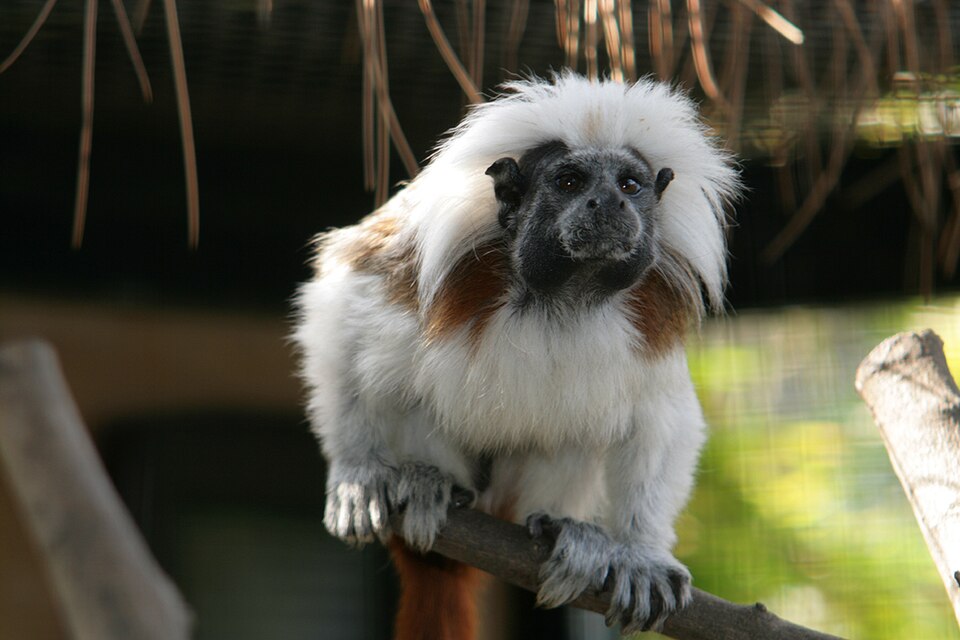
- Care of native species for potential re-introduction
About Alameda Wildlife Conservation Park
The Alameda Wildlife Conservation Park (AWCP) is a modest wildlife facility situated within the Gibraltar Botanic Gardens. Its origins trace back to 1994 when it began as a sanctuary for animals, primarily parrots, tortoises, and monkeys, that had been confiscated from illegal traders passing through Gibraltar. These animals were entrusted to the Gibraltar Ornithological and Natural History Society (GONHS) by local Customs authorities.
History and Development
In 1996, the neglected Alameda Miniature Golf Course underwent a transformation. Through the dedicated efforts of volunteers, the area was repurposed and modified into a small conservation park. This development marked a significant step in establishing a dedicated space for the welfare and exhibition of these confiscated animals.
Today's Role and Public Engagement
While initially established to house confiscated animals, the park evolved to include public access, aiming to educate visitors about the illegal animal trade and the importance of local wildlife conservation. It has also become a crucial center for nurturing native species, such as the red fox, raven, and Barbary partridge, with the goal of their future re-introduction into the Upper Rock Nature Reserve. The park is a valued educational resource for local schools, fostering awareness of Gibraltar's biodiversity and broader conservation concerns.
Visitor Information
The Alameda Wildlife Conservation Park is accessible year-round, with closures only on Good Friday, Gibraltar National Day (10 September), and Christmas Day. The entrance fees collected are vital for covering the park's general maintenance, food supplies, and veterinary care expenses.
Source: Wikipedia ↗
Frequently Asked Questions
When was the Alameda Wildlife Conservation Park established?
The Alameda Wildlife Conservation Park began in 1994 as a collection of confiscated animals. It was later modified and officially became a conservation park in 1996.
What is the main purpose of the Alameda Wildlife Conservation Park?
The park's main purpose is to house animals confiscated from illegal traders. It also aims to educate the public about illegal animal trade and local wildlife conservation, and supports native species for potential re-introduction.
What kind of animals can be found at the Alameda Wildlife Conservation Park?
The park houses a variety of species including reptiles like green iguanas and spur-thighed tortoises, mammals such as Barbary macaques and prairie dogs, and birds including grey parrots and ravens.
Is the Alameda Wildlife Conservation Park open to the public?
Yes, the park is open to the public and serves as an important educational resource. Entrance fees contribute to the park's maintenance, food, and veterinary expenses.
What role does the park play in local conservation?
The park is important for the care of native species that are being considered for future re-introduction into areas like the Upper Rock Nature Reserve. It also raises awareness about wider conservation issues.
Related Zoos

Ballarat Wildlife Park
The Ballarat Wildlife Park is a privately owned zoo located in Ballarat, Victoria, Australia. Opened in 1985, it is recognized for its extensive collection of Australian native animals, including a large koala colony and free-roaming kangaroos, as well as a significant reptile collection. The park gained international fame for housing Patrick, the oldest known common wombat in captivity.
Beale Wildlife Park
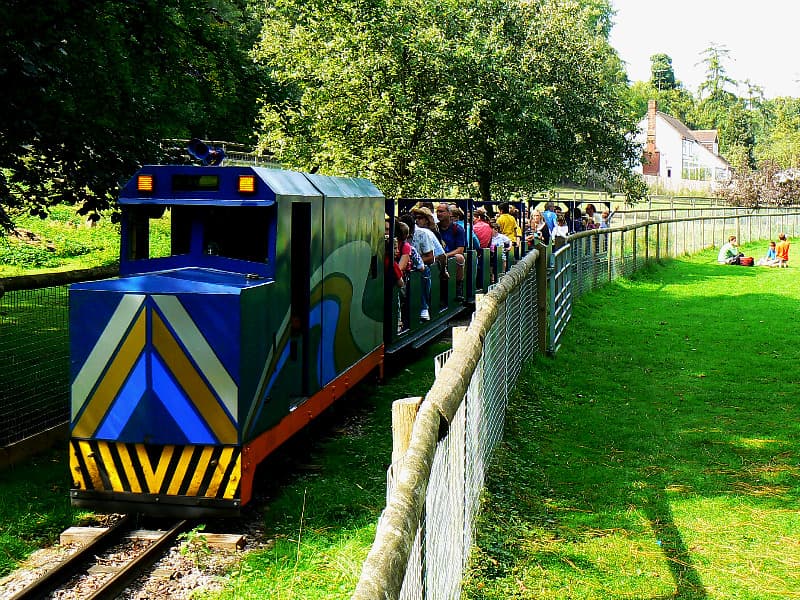
Beale Wildlife Park is a non-profit charitable trust located in Berkshire, England, established on 350 acres by the River Thames. It offers a diverse range of attractions, including collections of exotic and farm animals, landscaped gardens, woodlands, and extensive children's play areas, making it a significant recreational and educational destination.

Billabong Koala and Wildlife Park
Billabong Koala and Wildlife Park is a 10-acre wildlife park and koala breeding center situated in Port Macquarie, New South Wales, Australia. Established in 1986, it is recognized for its significant role in koala breeding programs and its diverse collection of Australian and exotic animals.