
Belgrade Zoo
Belgrade Zoo, also known as the Garden of Good Hope, is a publicly owned zoological garden located in the historic Kalemegdan Park in Belgrade, Serbia. Established in 1936, it is the largest zoo in Serbia, housing a diverse collection of animals and attracting a significant number of annual visitors, making it a popular tourist attraction.
Key Facts
- ›Established on July 12, 1936.
- ›Covers an area of 7 hectares (17 acres).
- ›Houses approximately 800 animals representing 210 species.
- ›Attracts around 400,000 annual visitors.
- ›Notable for being the first zoo in Europe to house white lions.
- ›Features Muja, the world's oldest living alligator in captivity according to Guinness World Records.

White Lions, Penguin Enclosure, Petting Zoo
Muja, Sami, Gabi, White Lions
About Belgrade Zoo
Belgrade Zoo, officially known as Beo zoo vrt and also referred to as the Garden of Good Hope (Vrt dobre nade), is a significant zoological institution located within the historic Kalemegdan Park in Belgrade, Serbia. Founded on July 12, 1936, it stands as the largest zoological garden in Serbia and is a popular destination, drawing approximately 400,000 visitors annually.
History and Development
The concept of a zoo in Belgrade has roots extending back to the 18th century during the Austrian occupation, when the Duke of Württemberg established a collection of wild animals. However, the modern Belgrade Zoological Garden was officially established in 1936. Initially spanning 3.5 hectares (8.6 acres), the zoo has since expanded to approximately 14 hectares (35 acres) at its peak, though its current operational size is listed as 7 hectares (17 acres).
Throughout its history, the zoo has endured significant challenges. It suffered extensive damage from bombings during World War II, leading to substantial loss of infrastructure and animals. The zoo also faced periods of neglect in the 1980s, but efforts by figures like sculptor Vuk Bojović, who served as director for many years, led to improvements in animal welfare, the introduction of new species such as great apes and white tigers, and a return to profitability.
Discussions and plans for relocating the zoo have been a recurring theme, with various locations proposed over the decades. In recent years, a plan to relocate the zoo to the Ada Safari section of Ada Ciganlija island has been announced, which would involve doubling its size, though this project has faced public and expert criticism.
Animals and Exhibits
Belgrade Zoo currently houses a diverse collection of around 800 animals, representing approximately 210 species. Its animal inhabitants span mammals, birds, and reptiles. Some of the species featured include Parma wallabies, red kangaroos, Asian elephants, African lions, Bengal tigers, zebras, giraffes, various monkeys, and a range of bird species like ostriches, flamingos, and penguins.
One of the zoo's most celebrated features is its collection of white lions, a species that holds symbolic importance for Belgrade. The zoo was the first in Europe to house white lions, receiving its first pair in 2005 and achieving success in breeding them. The penguin enclosure, opened in 2019, is another popular exhibit. The zoo also maintains a petting zoo area with domestic animals, which was reopened in 2019 and includes a coffee shop and playground.
Notable Individuals
Among the zoo's most famous residents is Muja, an American alligator who is recognized by Guinness World Records as the world's oldest living alligator in captivity. Arriving in 1937, his exact age is unknown, but he has been a long-standing fixture at the zoo. The zoo also commemorates Gabi, a German Shepherd that saved her handler from an escaped jaguar in 1987, with a statue. Sami, a chimpanzee who gained notoriety after escaping the enclosure shortly after his arrival in 1988, is also remembered with a statue.
Looking towards the future, the zoo's director has outlined plans to enhance visitor education and animal care, including the development of a new veterinary clinic and education center, alongside renovations to existing enclosures and the introduction of new ones.
Source: Wikipedia ↗
Frequently Asked Questions
When was Belgrade Zoo founded?
Belgrade Zoo was officially opened on July 12, 1936. The idea for a zoo in Belgrade dates back much further, with a precursor established during the Austrian occupation in the 18th century.
What is the size of Belgrade Zoo?
The zoo currently covers an area of 7 hectares, which is approximately 17 acres. There are plans for a future relocation that would potentially double its size.
How many animals and species are at Belgrade Zoo?
Belgrade Zoo houses a collection of approximately 800 individual animals, representing around 210 different species. This makes it the largest zoological garden in Serbia.
What are the most popular attractions at Belgrade Zoo?
Among the biggest attractions are the white lions, which hold symbolic meaning for Belgrade. The penguin enclosure, featuring Humboldt penguins, is also a popular exhibit, as is Muja, the world's oldest living alligator.
Has Belgrade Zoo always been in Kalemegdan Park?
The present Belgrade Zoological Garden was established in Kalemegdan Park in 1936. Earlier plans envisioned a zoo in Topčider, and there have been discussions and plans throughout its history to relocate the zoo.
What notable animals are housed at Belgrade Zoo?
Belgrade Zoo is home to Muja, recognized as the world's oldest living alligator. It also houses white lions, Humboldt penguins, and has a history with notable animals like Sami the chimpanzee and Gabi the dog.
What historical events have impacted Belgrade Zoo?
The zoo has faced significant challenges, including damage from bombings during World War II, which destroyed infrastructure and killed many animals. It also experienced periods of neglect in the 1980s before improvements were made.
Related Zoos

Jagodina Zoo
Jagodina Zoo, opened in 2006, is a significant tourist attraction in the city of Jagodina, Serbia. It is the third-largest zoo in Serbia and is situated within the "Đurđevo brdo" nature park, contributing to the region's growing tourism rates.
Bor Zoo
Bor Zoo is a public zoo located in Bor, Serbia, established in 2011. It is recognized as one of the most attractive zoos in southeastern Europe, housing a diverse collection of wild, exotic, domestic, and indigenous animals on its 2.5-hectare grounds.
Aalborg Zoo
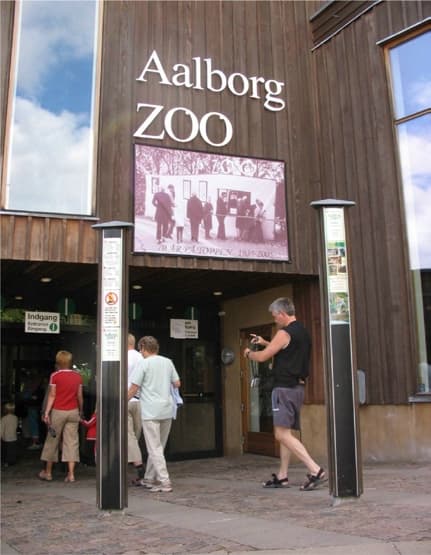
Aalborg Zoo is a zoological garden situated near the heart of Aalborg, Denmark, drawing approximately 375,000 visitors annually. It serves as a significant institution for animal conservation, actively participating in global breeding programs and environmental preservation projects, including supporting rainforest conservation in Ecuador.