
Bioparco di Roma
Bioparco di Roma is a historic zoological garden located in Rome, Italy, situated within the Villa Borghese estate. Established in 1911, it was initially designed for public entertainment, featuring innovative enclosures like ditches and pits instead of bars. Today, it houses over a thousand animals across hundreds of species, continuing its role as a significant educational and recreational facility.
Key Facts
- ›Covers 17 hectares (42 acres).
- ›Opened on January 5, 1911.
- ›Designed by Carl Hagenbeck, inspired by his Hamburg zoo.
- ›Features include an aviary and a reptile house.
- ›Houses 1,114 animals representing 222 species.

Aviary, Reptile House
About Bioparco di Roma
Bioparco di Roma is a zoological garden situated in Rome, Italy, occupying 17 hectares (42 acres) of the historic Villa Borghese estate. Founded with the intention of exhibiting exotic animal species, it opened its doors on January 5, 1911. Unlike many zoos of its era, which primarily served scientific purposes, Bioparco di Roma was conceived with a focus on public entertainment and amusement.
Design and Development
The zoo's design was entrusted to Carl Hagenbeck, who applied principles similar to those used in his Hamburg zoo. This involved the innovative use of ditches and pits in place of traditional bars for animal enclosures, alongside ample green spaces. Over the years, the park underwent several expansions and modifications. A significant development occurred in 1933 when architect Raffaele De Vico began work on new areas, including a large aviary and a reptile house, which opened in 1935. The reptile house, in particular, required substantial renovation and reopened in 1983 after extensive work.
Transformation and Modernization
In 1994, the concept of transforming the zoo into a biopark was introduced. This led to the development of a master plan in 1997, guided by the principles of the Gilman Foundation. By April 1998, Bioparco S.p.A. was established to manage the facility, with funding from the city of Rome, Costa Edutainment, and Cecchi Gori. As Italy's oldest zoo, Bioparco di Roma continues to house a significant collection of animals, including mammals, reptiles, and birds, contributing to its role as a key zoological institution in the country.
Source: Wikipedia ↗
Frequently Asked Questions
When did Bioparco di Roma open?
Bioparco di Roma officially opened its gates to the public on January 5, 1911. It was conceived in 1908 with the intention of exhibiting exotic animal species for entertainment.
What is the size of Bioparco di Roma?
The zoological garden spans 17 hectares, which is equivalent to approximately 42 acres. It is located on a portion of the original Villa Borghese estate in Rome.
What kind of animals can be found at Bioparco di Roma?
Bioparco di Roma is home to a diverse collection of animals, including mammals, birds, and reptiles. As of recent records, the zoo maintains approximately 1,114 animals belonging to 222 different species.
Who designed Bioparco di Roma?
The design of Bioparco di Roma was undertaken by Carl Hagenbeck, a renowned zoo designer who had previously established a zoo in Hamburg Stellingen. The park was built using innovative techniques such as ditches and pits instead of traditional bars.
What are some notable features of Bioparco di Roma?
Notable features of the zoo include its innovative enclosure design, utilizing ditches and pits rather than bars, and generous green spaces. It also boasts a large aviary and a reptile house, with the latter undergoing significant renovations.
Related Zoos
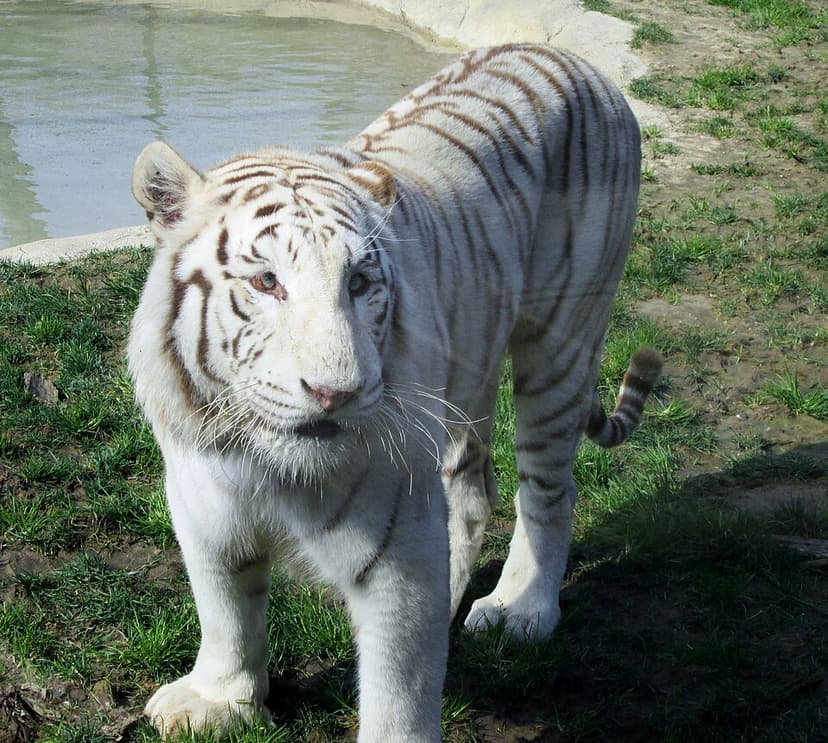
Faunistic Park Le Cornelle
Faunistic Park Le Cornelle is a zoo and amusement park located in Valbrembo, Lombardy, northern Italy. Founded in 1981 by Angelo Ferruccio Benedetti, the park is dedicated to wildlife preservation through captive breeding programs, including participation in the European Endangered Species Programme (EEP). Its mission involves reintroducing offspring into their original habitats.
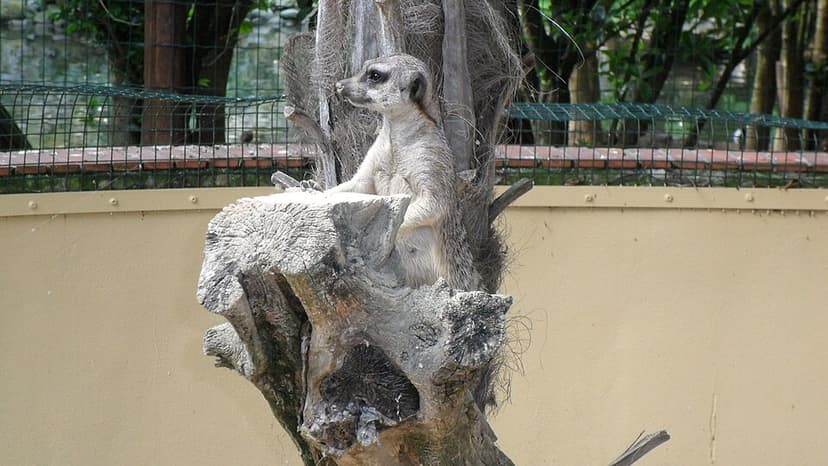
Parco Faunistico Cappeller
Parco Faunistico Cappeller is a zoo and amusement park located in Cartigliano, Veneto, northern Italy. Opened in 1998, it spans 4 hectares, offering visitors a combination of wildlife and entertainment.

Parco Natura Viva
Parco Natura Viva is a safari park and zoo located in Bussolengo, northern Italy. Established in 1969, it was created by Alberto Avesani and his wife, spanning a significant area dedicated to wildlife. The park is known for its safari experience, allowing visitors to observe animals in a more naturalistic setting.