
Combe Martin Wildlife and Dinosaur Park
Combe Martin Wildlife and Dinosaur Park is a 28-acre wildlife sanctuary located in Combe Martin, Devon, England. It is known for its diverse animal collection, including meerkats and lemurs, alongside a unique attraction of animatronic dinosaurs. The park has evolved over time, from a historic country house to a sanctuary and now a family-friendly destination with a miniature railway.
Key Facts
- ›The park covers an area of 28 acres.
- ›It was established as Combe Martin Wildlife Park in 1986, and renamed Combe Martin Wildlife & Dinosaur Park in 1992.
- ›The site includes a 500-yard miniature railway known as the Dino Express.
- ›Attractions feature animatronic dinosaurs, the Tomb of the Pharaohs, the Dinosaur Museum, and a Dinosaur Playzone.
- ›The park is situated on the site of Higher Leigh, a country house built in 1851.
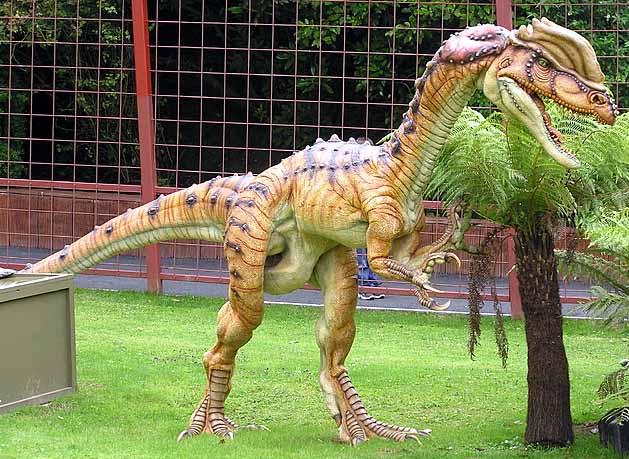
Animatronic Dinosaurs, Tomb of the Pharaohs, Dinosaur Museum, Dinosaur Playzone, Dino Express Miniature Railway
Meerkats, Lemurs
About Combe Martin Wildlife and Dinosaur Park
Combe Martin Wildlife and Dinosaur Park is a 28-acre wildlife sanctuary situated in the village of Combe Martin, Devon, England. The park combines a traditional wildlife sanctuary with a unique dinosaur-themed attraction, making it a distinctive destination for visitors.
History and Development
The park's location has a history dating back to 1851 with the construction of Higher Leigh, a country house that was part of the larger Lee Barton estate. After being owned by the same family for nearly a century, the property was acquired by nuns from the Sacred Heart Convent in London. They repurposed the building as a convent and school for children evacuated during the Second World War. In the subsequent decades, the house served various purposes, including a woolly monkey sanctuary and a hotel, before falling into disrepair.
In 1985, Robert Butcher purchased the derelict property with initial intentions to convert the house into a nursing home. However, these plans shifted, and he established Combe Martin Wildlife Park, which opened its doors in 1986. The park underwent a significant transformation and renaming in 1992 to Combe Martin Wildlife & Dinosaur Park, marked by the introduction of animatronic dinosaurs. Additional attractions, such as the Tomb of the Pharaohs, the Dinosaur Museum, and the Dinosaur Playzone soft-play area, were added in later years.
In January 2025, the park faced challenges due to a severe storm, which led to the relocation of many of its animals. Following extensive repairs, the park was able to reopen for its season three months later than usual, in May.
Miniature Railway
A notable feature of Combe Martin Wildlife and Dinosaur Park is its 15-inch gauge miniature railway. The railway, which now spans 500 yards, was initially shorter upon its opening in 1989. It was extended to its current length in 1991 and is currently known as the Dino Express. The train is powered by a Severn Lamb ‘Rio Grande’ MK2 locomotive.
Source: Wikipedia ↗
Frequently Asked Questions
What is Combe Martin Wildlife and Dinosaur Park?
Combe Martin Wildlife and Dinosaur Park is a 28-acre wildlife sanctuary in Combe Martin, Devon, England. It features a variety of animals such as meerkats and lemurs, as well as animatronic dinosaurs.
When was the park established?
The park originally opened as Combe Martin Wildlife Park in 1986. It was renamed Combe Martin Wildlife & Dinosaur Park in 1992 after the installation of animatronic dinosaurs.
What are the main attractions at the park?
Key attractions include animatronic dinosaurs, the Tomb of the Pharaohs, the Dinosaur Museum, and a Dinosaur Playzone soft-play area. The park also features a 500-yard miniature railway called the Dino Express.
What is the history of the park's location?
The park is located on the site of Higher Leigh, a country house built in 1851. The property has previously served as a convent for evacuated children during WWII and a woolly monkey sanctuary.
Has the park experienced any recent events?
In January 2025, the park was affected by a storm, necessitating the relocation of many animals. It reopened in May of that year after completing extensive repairs.
Related Zoos

Paradise Park
Paradise Park is a wildlife sanctuary located in Hayle, Cornwall, England, known for its extensive collection of birds and animals. It serves as the home for the World Parrot Trust and is actively involved in conservation efforts for various species.
Banham Zoo
Banham Zoo is a 50-acre zoological garden located in Banham, Norfolk, England, that opened to the public in 1968. It is part of the Zoological Society of East Anglia, a registered charity, and is known for its extensive collection of monkeys and its award-winning status as Norfolk's Top Attraction.

Mablethorpe Seal Sanctuary and Wildlife Centre
The Mablethorpe Seal Sanctuary and Wildlife Centre is a coastal animal attraction in Mablethorpe, Lincolnshire, England, dedicated to rehabilitating sick and injured seals. It also houses a variety of other animals, including exotic species and rescued native British wildlife, and features educational zones with fossils and exhibits on extinct animals.