
Friguia Park
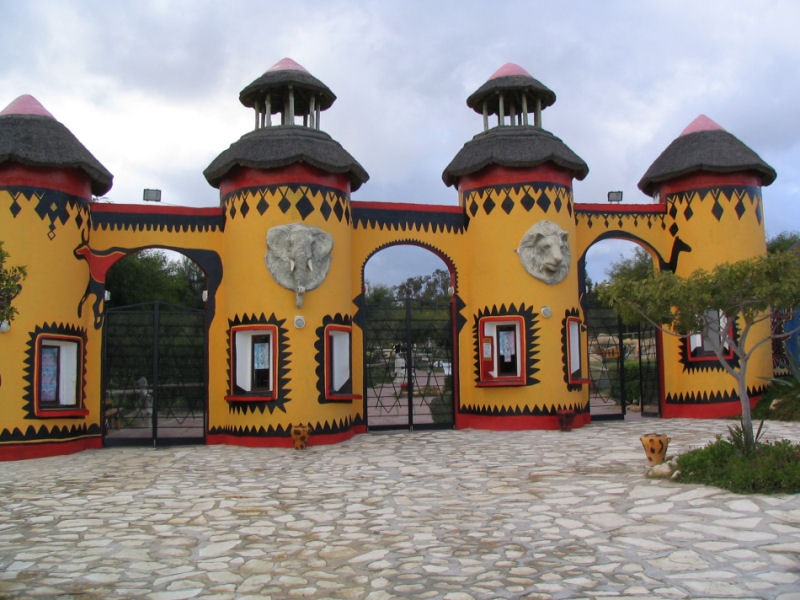
Friguia Park is Tunisia's first zoological park, located near Bouficha. Inaugurated in 2000, it spans 36 hectares and houses approximately 400 animals from 62 species, playing a role in conservation efforts for endangered wildlife.
Key Facts
- ›First zoo in Tunisia.
- ›Covers an area of 36 hectares.
- ›Home to around 400 animals.
- ›Represents 62 different species.
- ›Features white lions, elephants, giraffes, and crocodiles.
- ›Offers environmental education programs.
Dolphinarium
White Lions
- Breeding programs for endangered species
- Awareness campaigns for biodiversity and animal welfare
About Friguia Park
Friguia Park is a zoological park situated in Tunisia, near the town of Bouficha. Inaugurated on November 11, 2000, it holds the distinction of being the first zoo in Tunisia. The park covers an area of 36 hectares and serves as a home to approximately 400 animals, representing 62 different species, encompassing mammals, birds, and reptiles.
Description and Notable Species
The collection at Friguia Park includes a variety of animals, such as lions (notably white lions), tigers, elephants, giraffes, zebras, crocodiles, and flamingos, alongside various species of monkeys and deer. The park is committed to housing several endangered species and actively participates in conservation initiatives.
Attractions and Activities
Historically, Friguia Park featured a dolphinarium where dolphins and sea lions performed, though this attraction was closed in 2016. The park offers environmental education programs aimed at school groups and the general public. Visitors can also experience regular African-style dance and music performances, contributing to a cultural dimension of the park's offerings.
Conservation Efforts
Friguia Park plays a role in the conservation of endangered species through dedicated breeding programs and public awareness campaigns. The institution collaborates with international organizations to advance biodiversity and uphold animal welfare standards.
Access and Facilities
Located conveniently via the highway connecting Tunis and Sousse, Friguia Park is easily accessible. The facilities available to visitors include restaurants, picnic areas, and souvenir shops, positioning it as a popular destination for families and tourists.
Source: Wikipedia ↗
Frequently Asked Questions
Where is Friguia Park located?
Friguia Park is located in Tunisia, near the town of Bouficha. It is situated approximately 70 km south of Tunis and 25 km north of Sousse, making it accessible via the highway between Tunis and Sousse.
When did Friguia Park open?
Friguia Park was inaugurated on November 11, 2000. It holds the distinction of being the first zoo established in Tunisia.
What kind of animals can be found at Friguia Park?
The park is home to approximately 400 animals across 62 species, including mammals, birds, and reptiles. Notable species include lions (including white lions), tigers, elephants, giraffes, zebras, crocodiles, flamingos, and various monkey species.
Does Friguia Park have any special attractions?
Friguia Park previously featured a dolphinarium with performances by dolphins and sea lions, which closed in 2016. The park also hosts African-style dance and music performances and provides environmental education programs for various groups.
Is Friguia Park involved in conservation?
Yes, Friguia Park is involved in the conservation of endangered species through breeding programs and awareness campaigns. The park cooperates with international organizations to promote biodiversity and animal welfare.
Related Zoos

Bermuda Aquarium, Museum and Zoo
The Bermuda Aquarium, Museum and Zoo (BAMZ) is a multi-faceted institution in Flatts Village, Bermuda, dedicated to showcasing oceanic island species and promoting conservation, education, and research. Established in 1926 to boost tourism and foster appreciation for island environments, BAMZ comprises an aquarium, a natural history museum, and a zoo, all accredited by the Association of Zoos and Aquariums.

Blank Park Zoo
Blank Park Zoo is a 49-acre zoological park located in Des Moines, Iowa, known for its diverse exhibits and commitment to conservation. Established in 1966 as the Des Moines Children's Zoo, it was revitalized in the 1980s by the Blank Park Zoo Foundation and has since expanded its offerings to include geographically themed areas and a dedicated Discovery Center.

Elistvere Animal Park
Elistvere Animal Park is a zoological park located in Tartu County, Estonia, dedicated to showcasing the native fauna of the country. Operated by the State Forest Management Centre, it aims to present animals in naturalistic environments, provide educational programs, and serve as a sanctuary for injured or orphaned wildlife. The park has seen growing visitor numbers, reaching a record 79,000 in 2020.