
Görlitz Zoo
Germany·Nature Conservation Zoo·20th century
The Görlitz Zoo, also known as Naturschutz-Tierpark Görlitz, is a zoological park located in Görlitz, Saxony, Germany. Founded in 1957, it emphasizes nature conservation and houses a variety of animals and domestic breeds across its 5-hectare area.
Key Facts
- ›Founded in 1957
- ›Covers an area of 5 hectares (12.4 acres)
- ›Houses approximately 500 animals
- ›Represents around 100 species
- ›Includes domestic breeds
- ›Initiated by Mayor Bruno Gleißberg and garden director Henry Kraft
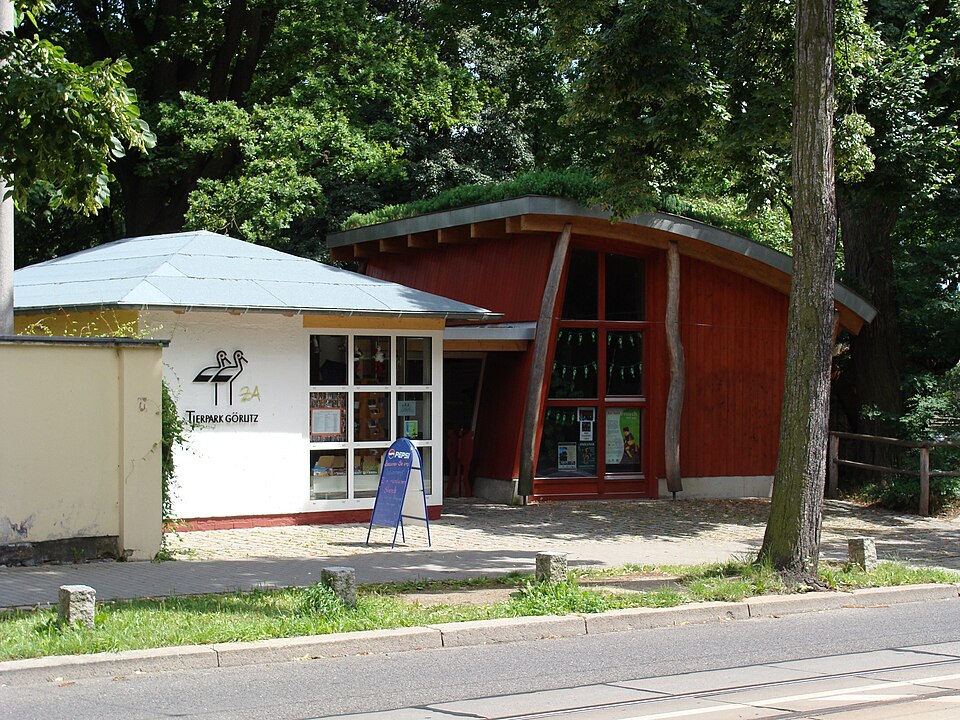
About Görlitz Zoo
The Görlitz Zoo, officially known as Naturschutz-Tierpark Görlitz, is a zoological park situated in the city of Görlitz, within the state of Saxony, Germany. Established in 1957, the zoo is dedicated to nature conservation, housing a variety of animals and also maintaining several domestic breeds.
History and Development
The establishment of the Görlitz Zoo was spearheaded by the initiative of Görlitz's mayor, Bruno Gleißberg, and the directors of gardens, Henry Kraft. The land utilized for the zoo was originally the private property of the factory owner Richard Raupach, which was subsequently transferred to public use for the citizens of Görlitz following 1945. The zoo's early development saw the creation of initial enclosures for animals such as wild boars and roe deer, alongside a pony stable and a "Bärenzwinger," a specific enclosure for brown bears. During the early 1960s, the zoo expanded its facilities with new enclosures for fallow deer, monkeys, and a bird aviary, also establishing a kitchen dedicated to preparing food for its animal inhabitants.
Scope and Holdings
The Görlitz Zoo spans an area of 5 hectares (approximately 12.4 acres). It is home to around 500 individual animals, representing approximately 100 different species. In addition to its collection of wild fauna, the zoo also preserves and exhibits various domestic breeds, underscoring its commitment to broader biodiversity.
Visitor Information
The zoo has seen a steady increase in visitor numbers over recent years, with 105,000 visitors recorded in 2011, rising to 130,000 in 2014 and 140,000 in 2015. Management of the zoo has seen a transition, with Axel Gebauer leading until 2011, and Sven Hammer taking over the directorship since that year.
Source: Wikipedia ↗
Frequently Asked Questions
When was the Görlitz Zoo established?
The Görlitz Zoo was founded in 1957. Its establishment was the result of an initiative by the mayor of Görlitz, Bruno Gleißberg, and the directors of gardens, Henry Kraft.
What is the size of the Görlitz Zoo?
The Görlitz Zoo covers an area of 5 hectares, which is equivalent to approximately 12.4 acres. This size accommodates its animal enclosures and facilities.
How many animals and species are at the Görlitz Zoo?
The zoo houses approximately 500 individual animals, representing around 100 different species. In addition to wild species, it also features various domestic breeds.
Who were the key figures in the founding of Görlitz Zoo?
The zoo was founded upon the initiative of the mayor of Görlitz, Bruno Gleißberg, and the directors of gardens, Henry Kraft. The grounds were originally private property of factory owner Richard Raupach, which was given to the public after 1945.
What were some of the early enclosures at the zoo?
Among the first enclosures established were those for wild boars and roe deer, a pony stable, and a cage for brown bears known as "Bärenzwinger." By the early 1960s, enclosures for fallow deer, monkeys, and a bird aviary were added.
Related Zoos

Chemnitz Zoo
Chemnitz Zoo, also known as Tierpark Chemnitz, is a zoological garden located in Chemnitz, Saxony, Germany. Opened in 1964, it has evolved from showcasing species primarily from the Soviet Union to focusing on breeding endangered animals, making it a significant site for wildlife conservation efforts.

Hankensbüttel Otter Centre
The Hankensbüttel Otter Centre is a nature experience centre located in Hankensbüttel, Germany, dedicated to showcasing and conserving the European otter and related marten species. It functions as a popular tourist destination and an educational hub, emphasizing environmental awareness through interactive exhibits and practical learning experiences.

Heidelberg Zoo
Heidelberg Zoo is a German zoological garden established in 1933 and opened to the public the following year. It has undergone significant development and expansion since its inception, particularly following World War II, and is known for its various animal enclosures and conservation efforts.