
Haller Park
Haller Park is a unique nature park located in Bamburi, Mombasa, Kenya, renowned for its transformation of a former quarry wasteland into a thriving ecological area. It serves as a significant recreation spot, attracting both tourists and locals with its diverse plant and animal life, and is particularly known for pioneering ecological restoration techniques.
Key Facts
- ›Established as a nature park in Bamburi, Mombasa, Kenya.
- ›Originated from the rehabilitation of a cement factory quarry wasteland.
- ›Rene Haller initiated a reforestation project in the 1970s.
- ›Successfully introduced millipedes to break down casuarina needles, creating humus for other plants.
- ›Housed the famous friendship of Owen the hippopotamus and Mzee the tortoise until March 2007.
- ›Features an aquaculture system including a fish farm and crocodile area.

- Owen and Mzee (hippopotamus and tortoise friendship)
Owen, Mzee
- Reforestation of Quarry Wasteland
- Introduction of pioneer plants and animals for ecological restoration
- Aquaculture For Economic and Ecological Development
About Haller Park
Haller Park is a remarkable nature park situated in Bamburi, Mombasa, on the Kenyan coast. Its existence is a testament to the successful ecological transformation of a former cement factory quarry wasteland into a vibrant nature reserve. The park serves as a crucial recreation spot for both local communities and international tourists, showcasing a diverse array of plant and animal species.
History of Rehabilitation
The area's transformation began in 1959 when Cementia Holding hired Rene Haller to manage the garden department of the Bamburi Cement company. The land, heavily impacted by decades of cement production, had become an inhospitable arid wasteland with brackish water, presenting a seemingly impossible rehabilitation task. Haller embarked on a pioneering reforestation project in the 1970s, facing the challenge of finding pioneer plants that could survive the harsh limestone desert and tropical sun.
Initially, only three plant species—damas, coconut palm, and casuarina—proved resilient. The casuarina tree was instrumental in colonizing the barren quarry floor due to its tolerance for salty water. However, its high tannin content made its needles resistant to decomposition. Haller's ingenuity led to the introduction of hundreds of red-legged millipedes, which fed on the casuarina needles. Their droppings, combined with the millipedes' digestive processes, facilitated the breakdown of the needles, creating a rich humus layer that allowed other plant species to establish and flourish.
Ecological Succession and Animal Integration
Over time, the casuarina forest began to self-seed and expand, with trees reaching significant heights and creating a favorable environment for diverse vegetation. Over 180 species of indigenous trees and bushes were eventually planted. The park's ecological success was further enhanced by the integration of animals, both those that moved in naturally and those that were introduced. Mammals like bushpigs helped aerate tree root systems, giraffes dispersed seeds and provided fertilizer, and dung beetles played a role in nutrient cycling. Rene Haller believed animals were as vital to the forest ecosystem as plants, triggering a chain reaction of colonization and habitat creation.
Notable Attractions and Aquaculture
Haller Park was internationally recognized for the unique friendship between Owen, a hippopotamus, and Mzee, a tortoise, which was a major attraction until March 2007. The park also features a commercially viable aquaculture system, including a fish farm that began in 1971 and a tilapia farm established in 1980. The aquaculture unit also encompasses a crocodile area and biological water treatment ponds utilizing Nile cabbage to remove excess nutrients from the water, demonstrating a holistic approach to ecological and economic development.
Source: Wikipedia ↗
Frequently Asked Questions
What is Haller Park?
Haller Park is a nature park in Bamburi, Mombasa, Kenya, created by rehabilitating a former cement quarry wasteland. It is known for its ecological restoration and diverse plant and animal species, serving as a recreational area.
How was Haller Park created?
The park was developed from a quarry wasteland left by cement production. A reforestation project, led by Rene Haller, began in the 1970s, focusing on pioneer plants and introducing millipedes to create fertile soil for further vegetation growth.
What was the significance of the casuarina tree and millipedes?
Casuarina trees were initially planted to colonize the barren quarry floor due to their tolerance for salty water. The introduction of millipedes was crucial as their droppings helped break down the tough casuarina needles, creating humus that allowed other plant species to thrive.
What animals are found at Haller Park?
Haller Park hosts a variety of animals that play a role in its ecosystem, including vervet monkeys, insects, birds, bushpigs, giraffes, elands, and oryx. It also features a crocodile area as part of its aquaculture system.
What was the attraction of Owen and Mzee?
Until March 2007, Haller Park was famous for the unusual friendship between Owen, a hippopotamus, and Mzee, a tortoise. This unique interspecies bond was a major draw for visitors.
Does Haller Park have an aquaculture component?
Yes, Haller Park includes a commercially viable aquaculture system. This unit comprises a fish farm, a crocodile area, and biological water treatment ponds using Nile cabbage.
Related Zoos
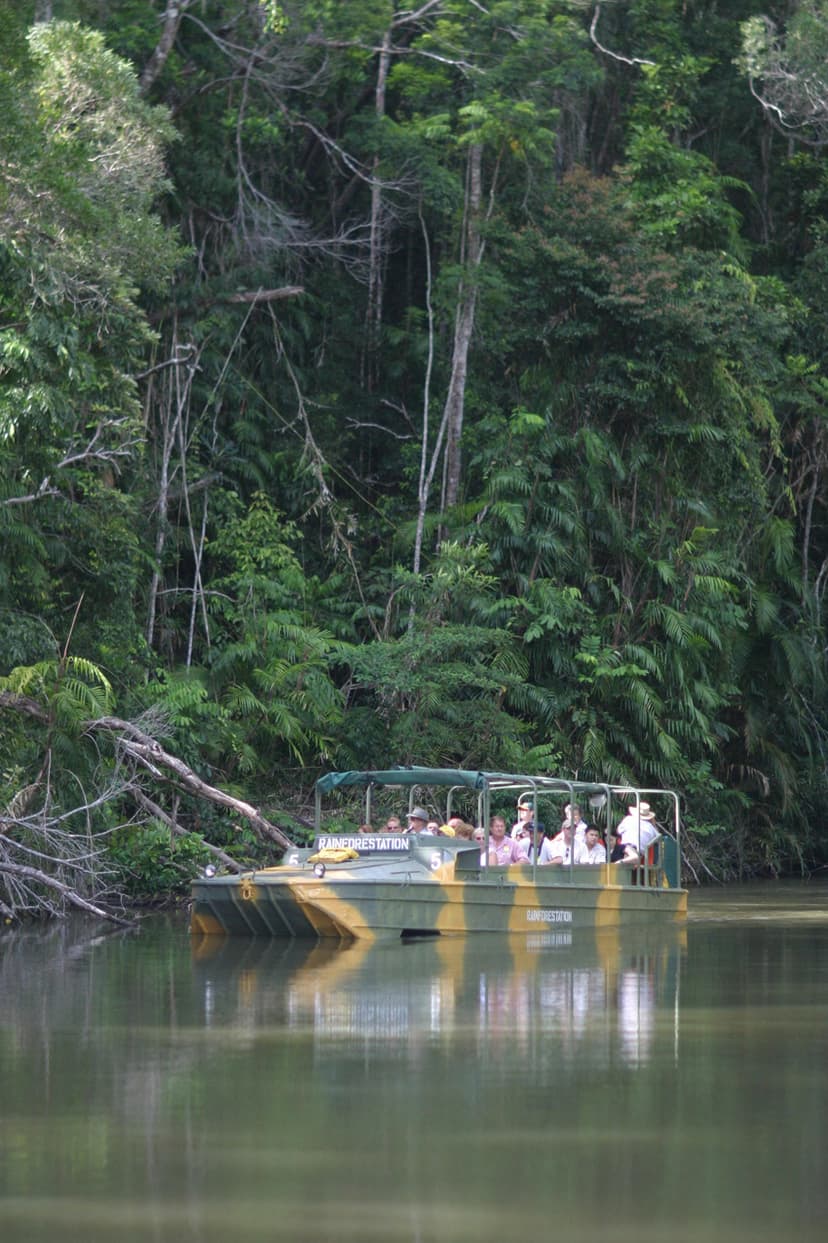
Rainforestation Nature Park
Rainforestation Nature Park is a significant tourist attraction located near Kuranda in Far North Queensland, Australia. Situated on 100 acres of World Heritage rainforest, the park offers visitors insights into indigenous culture, Australian native wildlife, and the natural environment through distinct components that opened progressively since its establishment.

Macao Giant Panda Pavilion
The Macao Giant Panda Pavilion is a zoo located in Seac Pai Van Park, Coloane, Macau, dedicated to housing and exhibiting various animal species, most notably giant pandas. Admission to the pavilion is free, making it an accessible attraction for visitors interested in wildlife.
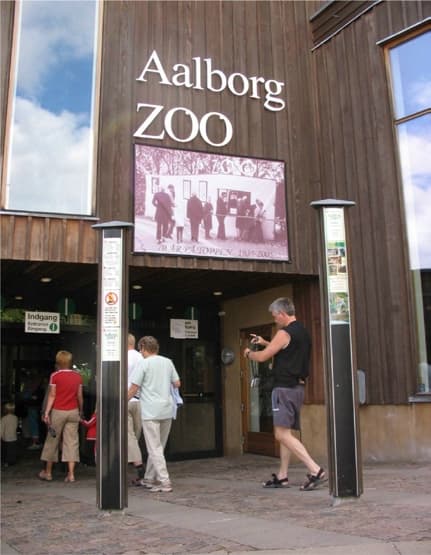
Aalborg Zoo
Aalborg Zoo is a zoological garden situated near the heart of Aalborg, Denmark, drawing approximately 375,000 visitors annually. It serves as a significant institution for animal conservation, actively participating in global breeding programs and environmental preservation projects, including supporting rainforest conservation in Ecuador.