
Indira Gandhi Park
Indira Gandhi Zoological Park, located in Visakhapatnam, India, is the third largest zoo in the country. Named after former Prime Minister Indira Gandhi, it opened in 1977 and spans 625 acres, housing a diverse collection of native and exotic animals within the scenic Eastern Ghats.
Key Facts
- ›Located in Visakhapatnam, Andhra Pradesh, India.
- ›Covers an area of 625 acres (253 ha).
- ›Declared open to the public on May 19, 1977.
- ›Houses approximately 800 animals from nearly 80 species.
- ›Accredited by the World Association of Zoos and Aquariums (WAZA) for its dhole breeding program.
- ›Situated amidst the Kambalakonda Reserve Forest and the Eastern Ghats.

Enclosures For Native Mammals, Enclosures For Exotic Mammals, Variety of Birds, Crocodilian Enclosures
Indian Elephants, Greater One-Horned Rhinos, Bengal Tigers, Asiatic Lions, Indian Leopards, Dholes, Hippos, Giraffes, Grant's Zebras, Chimpanzees, Mugger Crocodile, Gharial, Saltwater Crocodile
Dhole Breeding Programme
About Indira Gandhi Park
Indira Gandhi Zoological Park
Indira Gandhi Zoological Park is a prominent zoological institution situated in Visakhapatnam, Andhra Pradesh, India. It holds the distinction of being the third largest zoo in the country. Named in honor of the former Prime Minister of India, Indira Gandhi, the park was officially opened to the public on May 19, 1977.
Location and Geography
The zoo spans an impressive area of 625 acres (253 ha) and is nestled amidst the Kambalakonda Reserve Forest, within the scenic Eastern Ghats. Its geographical setting is particularly noteworthy, being surrounded by the Eastern Ghats on three sides and the Bay of Bengal on the fourth. This unique location provides a visually appealing and environmentally rich backdrop for the animal enclosures.
Animal Collection
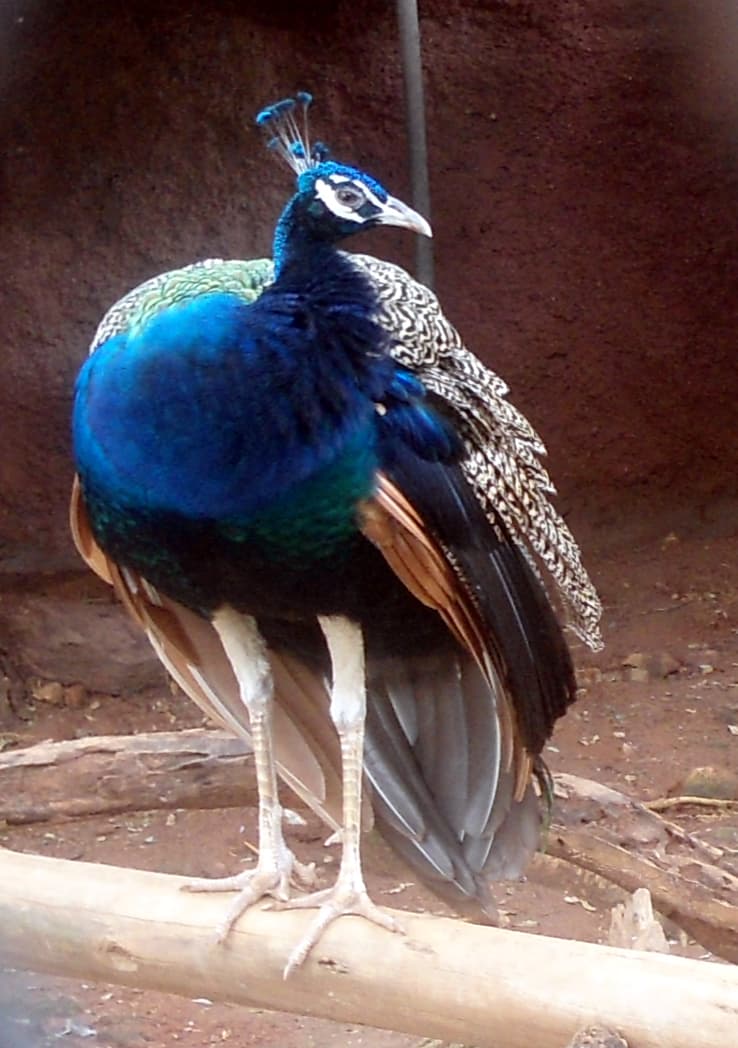
Indira Gandhi Zoological Park is home to approximately 800 animals representing nearly 80 different species. The collection features a diverse range of native Indian mammals, including Indian elephants, greater one-horned rhinos, Bengal tigers, Asiatic lions, Indian leopards, striped hyenas, dholes, sloth bears, gaur, sambar deer, and rhesus macaques. Complementing these are exotic mammals such as hippos, giraffes, Grant's zebras, and chimpanzees. The aviary section includes birds like ostriches, rosy pelicans, grey herons, Indian peafowl, and black swans. The park also houses all three native species of Indian crocodilians: the mugger crocodile, gharial, and saltwater crocodile, along with various other reptiles.
Conservation and Community Engagement
The zoo demonstrates a commitment to conservation, notably receiving accreditation from the World Association of Zoos and Aquariums (WAZA) in February 2022 for its successful dhole breeding program. Beyond conservation efforts, Indira Gandhi Zoological Park actively engages the community through various initiatives. In collaboration with Stardust Ventures, it launched a web portal for animal adoption, enabling the public to contribute by adopting animals for specific periods. The park also regularly organizes educational events, including interactive E-Webinars with experts, which are streamed live on YouTube, and quizzes, often providing e-certificates to participants.
Accessibility
Indira Gandhi Zoological Park is conveniently located approximately 11 kilometers from the Visakhapatnam railway station, accessible via National Highway 5 near Yendada. The zoo features distinct entrance and exit gates, with one facing National Highway 5 and the other opening towards Beach Road at Sagar Nagar. It is open to the public daily, with the exception of Mondays.
Source: Wikipedia ↗
Frequently Asked Questions
When did Indira Gandhi Zoological Park open?
Indira Gandhi Zoological Park was declared open to the public on May 19, 1977. It has since become a significant zoological institution in India.
What is the size of Indira Gandhi Zoological Park?
The zoo covers a substantial area of 625 acres, which is equivalent to 253 hectares. This expansive size allows for diverse enclosures and naturalistic habitats.
What types of animals can be found at Indira Gandhi Zoological Park?
The park houses a wide array of animals, including native Indian species like elephants, Bengal tigers, and Asiatic lions, as well as exotic mammals such as giraffes and zebras. It also features various birds and reptiles, including all three native Indian crocodilian species.
Does the zoo have any special accreditations or programs?
Yes, in February 2022, the zoo received accreditation from the World Association of Zoos and Aquariums (WAZA). This was for its successful coordination of a dhole breeding program.
Where is Indira Gandhi Zoological Park located?
Indira Gandhi Zoological Park is situated in Visakhapatnam, Andhra Pradesh, India. It is located amidst the Kambalakonda Reserve Forest and is surrounded by the Eastern Ghats on three sides and the Bay of Bengal on the fourth.
Does the zoo offer any community engagement activities?
Yes, the zoo has launched a web portal for animal adoption in collaboration with Stardust Ventures, allowing the public to adopt animals for a period. They also conduct regular events like E-Webinars and Quizzes.
Related Zoos

Mahendra Chaudhary Zoological Park
Mahendra Chaudhary Zoological Park, also known as Chhatbir Zoo, is a significant zoological park located near Zirakpur, India. Established in the 1970s, it is recognized as the largest zoo in Punjab and plays a role in showcasing a diverse collection of wildlife.
Sri Venkateswara Zoological Park
Sri Venkateswara Zoological Park, situated in Tirupati, Andhra Pradesh, India, is the largest zoological park in Asia, established in 1987. It spans an extensive area and is renowned for its diverse animal enclosures and a particularly notable, exceptionally heavy leopard named Balaji.
Gopalpur Zoo
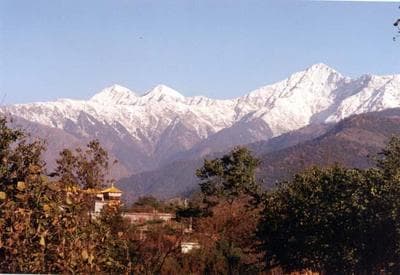
Gopalpur Zoo is a zoological park located in Gopalpur village, Kangra district, Himachal Pradesh, India. Nestled amidst the Dhauladhar Range of the Himalayas, it is a significant attraction in the region, housing a variety of native and exotic animals.