
Kinshasa Zoological Garden
Democratic Republic of the Congo·Animal Park·20th Century
The Kinshasa Zoological Garden, also known as Kinshasa Zoo, is an animal park located in the Gombe commune of the Democratic Republic of the Congo. Established in 1933, it has served as an educational hub and a refuge for various animal species, facing significant challenges and undergoing periods of decline and rehabilitation throughout its history.
Key Facts
- ›The zoo is located in the Gombe commune, Democratic Republic of the Congo.
- ›It was established in 1933 by Fernand De Bock.
- ›The zoo houses over 30 species and more than 129 individual animals.
- ›It attracts approximately 1,000 visitors and serves as an educational resource for students.
- ›The zoo's oldest residents are Simon and Antoinette, a crocodile couple who have been there since 1938.

Pythons, Cobras, Rattlesnakes, Vultures, Crows, Cattle Guards, Eagles, Turkeys, African Marabous, Crowned Cranes, Turtles, Servals, Civets, Hawks, Horses, Pigs, Jackals, Buffalos, Monitor Lizards, Kites, Parrots, Donkeys, Chimpanzees, Black Crested Mangabeys, Malbroucks, Gorillas, Yellow Baboons, Nile Crocodiles
Simon and Antoinette, Gray Parrots
Species Reintroduction Programs, Habitat Protection
About Kinshasa Zoological Garden
The Kinshasa Zoological Garden, often referred to as Kinshasa Zoo, is an established animal park situated in the Gombe commune of Kinshasa, the capital of the Democratic Republic of the Congo. Its location places it in proximity to significant urban landmarks, including the Kinshasa Grand Market and the Kinshasa General Hospital.
History and Development
The zoo was founded in 1933 by Fernand De Bock, who held the position of Administrator of Léopoldville, the city then known as Kinshasa. The park officially opened to the public on July 17, 1938, alongside the Jardin Botanique de Kinshasa. From its inception, management of the zoo has been under the purview of the Congolese Institute for the Conservation of Nature (ICCN).
In its early years, the zoo featured an Art Deco entryway and an accompanying restaurant in the same architectural style. Its significance was highlighted in 1939 with the issuance of animal postage stamps to benefit the institution. By August 1954, the zoo received its first okapi, a species native to the Ituri Forest. The zoo also gained notoriety for a chimpanzee that reportedly smoked cigarettes cadged from visitors. Despite a period of decline starting in 1956, marked by controversies and the cession of a portion of its grounds to the Kinshasa General Hospital, the zoo's cultural center continued to host events.
At its zenith in 1958, the zoo boasted a collection of up to 5,000 animals representing over 1,000 species. However, the zoo faced immense hardship during the First and Second Congo Wars. These conflicts led to severe conditions for the animals, including food shortages and a lack of essential care, tragically resulting in the demise of several chimpanzees by late 1999. In October 2007, reports indicated plans to relocate the zoo to N'sele National Park, citing that the current site no longer met international standards for zoological gardens and required reforestation.
Rehabilitation efforts have been undertaken over the years. In 2009, the French Embassy committed to rehabilitating the zoo. More recently, in June 2016, the ICCN successfully reintroduced a thousand gray parrots, which had been housed at the zoo, to the Bombo Lumene reserve. In July 2021, rehabilitation works on the site were launched by the National Minister of Tourism. In November 2024, plans were introduced to relocate and modernize the zoo in N'sele, though these proposals have faced scrutiny from activists and environmentalists who advocate for transforming the existing site into a research and conservation center focused on native Congolese species.
Current Status and Exhibits
As of 2020, the Kinshasa Zoological Garden houses over 129 animals from approximately thirty species, including mammals, reptiles, birds, fish, and amphibians. The zoo aims to be a safe haven for endangered species native to the Democratic Republic of the Congo. Its current exhibits feature a range of animals such as pythons, cobras, vultures, eagles, African marabous, crowned cranes, turtles, servals, civets, buffalos, monitor lizards, and various primates like chimpanzees, gorillas, and yellow baboons. Notably, the oldest residents are Simon and Antoinette, a pair of crocodiles who have resided at the zoo since 1938.
Conservation Efforts and Challenges
The zoo sustains itself through self-financing derived from ticket sales, with funds used for animal sustenance. It also receives food donations from local businesses. Despite these efforts, the zoo has experienced a decline in its wildlife population due to environmental degradation, limited funding, and site maintenance issues. Species such as lions, zebras, leopards, tigers, elephants, and giraffes have diminished in number, with remaining animals often living in impoverished conditions.
The zoo serves as an educational resource, attracting approximately 1,000 visitors and offering practical training opportunities for children and students interested in zoological science. Guided tours are provided for thousands of students from various schools in the capital city.
Source: Wikipedia ↗
Frequently Asked Questions
When was the Kinshasa Zoological Garden established?
The Kinshasa Zoological Garden was established in 1933. It officially opened its doors on July 17, 1938, after being founded by Fernand De Bock, the Administrator of Léopoldville.
What is the current number of animals and species at the zoo?
As of 2020, the zoo houses over 129 animals, comprising approximately thirty species. These include mammals, reptiles, birds, fish, and amphibians.
What are some of the notable animals found at the Kinshasa Zoological Garden?
The zoo is home to a variety of primates such as chimpanzees, black crested mangabeys, malbroucks, gorillas, and yellow baboons. It also features several species of crocodiles, including Nile crocodiles, and pythons, cobras, and monitor lizards among its reptile collection.
What conservation efforts has the zoo been involved in?
The zoo is committed to providing a safe haven for endangered species indigenous to the Democratic Republic of the Congo. In 2016, the Congolese Institute for the Conservation of Nature reintroduced a thousand gray parrots, previously kept at the zoo, back into the wild.
What challenges has the zoo faced throughout its history?
The zoo has faced significant challenges, particularly during the First and Second Congo Wars, leading to dire conditions for animals due to food shortages and lack of upkeep. There have also been discussions and plans for relocation and modernization, alongside proposals to transform it into a research and conservation center.
Related Zoos

Eskişehir Zoo
Eskişehir Zoo is an animal park located within Sazova Park in Eskişehir, Turkey. Opened in April 2017, it features a variety of animal habitats, including an aquarium and a dedicated house for birds, reptiles, amphibians, and arthropods. The zoo is a significant attraction within the city's science, culture, and art park, sponsored by the Eti company.

Esperance Bird & Animal Park
Esperance Bird & Animal Park is a small animal park located in Gibson, Western Australia, housing a variety of native and introduced species. It features a collection of birds such as cockatoos, parrots, macaws, and eagles, alongside mammals like kangaroos, wallabies, sheep, goats, and cattle.
Shoalhaven Zoo
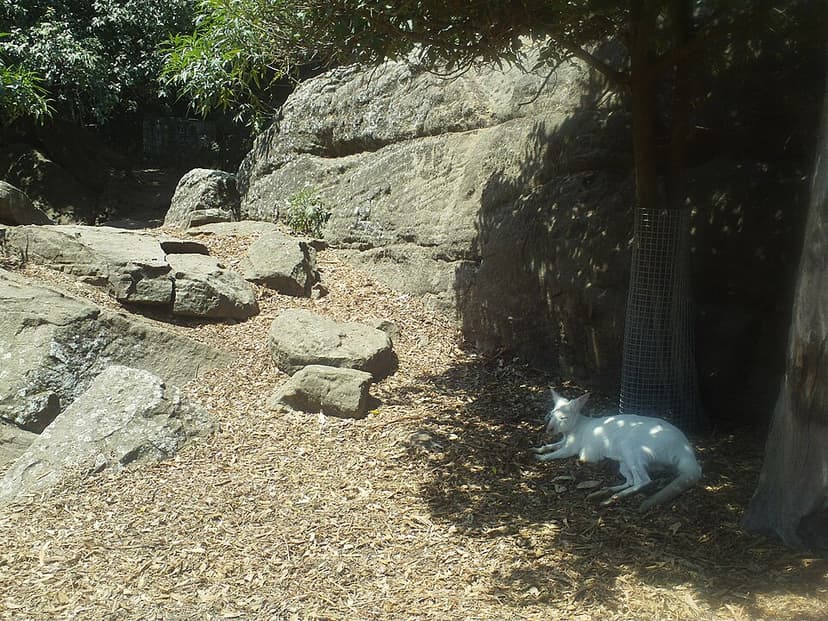
Shoalhaven Zoo, previously known as Nowra Animal Park, is a significant zoological facility located on the South Coast of New South Wales, Australia. It is recognized as the largest native animal park in its region, housing a diverse collection of over 100 species, predominantly native Australian mammals, birds, and reptiles.