
Loro Parque
Loro Parque, meaning "parrot park," is a 13.5-hectare zoo located on Tenerife, Spain, established in 1972. Initially conceived as a sanctuary for parrots, it has evolved into one of the Canary Islands' major tourist attractions, housing a vast collection of animal and plant species alongside its world-renowned parrot reserve.
Key Facts
- ›Founded in 1972 by Wolfgang Kiessling.
- ›Covers an area of 13.5 hectares (135,000 m2).
- ›Houses the world's largest parrot collection, with approximately 4,000 parrots representing 350 species and sub-species.
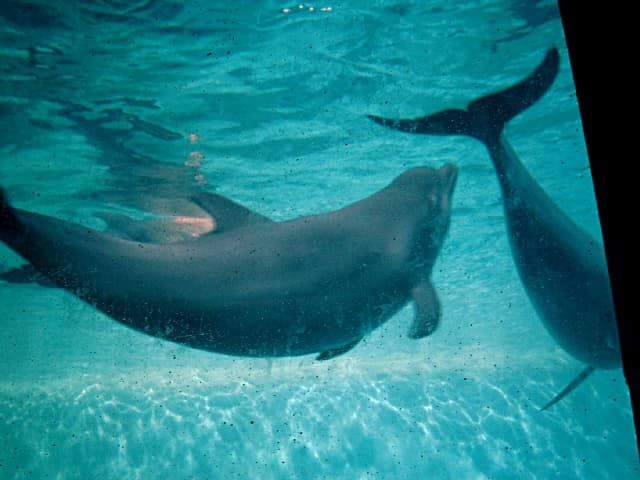
- ›Home to a diverse range of other animals including dolphins, penguins, chimpanzees, western lowland gorillas, and white tigers.
- ›Features a dedicated Loro Parque Fundación focused on conservation projects worldwide.
- ›Has hosted significant marine mammal programs, including a well-documented orca population.

Orca Ocean, Kinderlandia Playground, Parrot Museum
Parrots, Orcas, White Tigers, Penguins, Dolphins
Spix's Macaw Captive Breeding, Indigo-Winged Parrot Field Projects, Release of Captive-Bred Macaws Into Ecuador
About Loro Parque
Loro Parque, a zoological garden located on the outskirts of Puerto de la Cruz on Tenerife, Spain, is a significant attraction in the Canary Islands, drawing over 40 million visitors since its inception. Initially founded as a haven for parrots, the park has expanded considerably from its original 1.3-hectare site to its current 13.5 hectares, becoming a comprehensive zoo housing a diverse array of animal and plant species.
History and Development
Founded in 1972 by Wolfgang Kiessling, Loro Parque began with a focus on parrots, housing 150 of these birds. Over the decades, it has grown into a world-renowned institution. The park is now home to approximately 4,000 parrots, representing 350 species and sub-species, making its parrot collection the largest globally and a key resource for the study and conservation of these birds. Beyond its avian inhabitants, Loro Parque features a wide variety of other animals, including dolphins, penguins, chimpanzees, western lowland gorillas, sea lions, jaguars, and white tigers.
Conservation Efforts
A cornerstone of Loro Parque's mission is its commitment to wildlife conservation, spearheaded by the Loro Parque Fundación, established in 1994. This international foundation, a member of the IUCN, actively supports conservation initiatives in 28 countries, having funded over 82 projects with more than $10 million. The foundation is particularly dedicated to preserving endangered parrot species through captive breeding programs and field projects. Notable successes include efforts with the critically endangered Spix's macaw and the indigo-winged parrot, as well as assisting in the release of captive-bred macaws into reserves in Ecuador.
Notable Exhibits and Programs
Loro Parque is recognized for its immersive exhibits and animal presentations. The "Orca Ocean" exhibit has been a focal point, housing a population of orcas that have been part of breeding programs and featured in daily shows. The park also presents dolphin shows, sea lion performances, and "The Loro Show" dedicated to its parrot inhabitants. Other attractions include an indoor cinema, a children's playground named "Kinderlandia," and a parrot museum. The park's facilities and operations have also been the subject of public scrutiny and criticism, particularly concerning animal welfare in its marine mammal exhibits.
Recognition and Incidents
Loro Parque has received accolades for its contributions to tourism, including the "Importante del Turismo 2000" award from the Canary Islands Government. However, the park has also faced criticism from various organizations regarding animal welfare, especially concerning its orca population. Incidents have occurred, including animal attacks on trainers and the deaths of several orcas, which have led to heightened awareness and debate surrounding the park's practices and the ethics of keeping marine mammals in captivity.
Source: Wikipedia ↗
Frequently Asked Questions
When was Loro Parque founded?
Loro Parque was founded in 1972 by Wolfgang Kiessling and initially opened on a smaller scale.
What is Loro Parque known for?
Loro Parque is most famous for its extensive and diverse parrot collection, which is the largest in the world. It has also become a major tourist attraction and a significant center for animal research and conservation.
What kind of animals can be seen at Loro Parque?
Visitors can see a wide variety of animals at Loro Parque, including numerous parrot species, dolphins, penguins, chimpanzees, gorillas, sea lions, jaguars, white tigers, and various reptiles and exotic fish.
Does Loro Parque have a conservation program?
Yes, Loro Parque founded the Loro Parque Fundación in 1994, an international foundation dedicated to highlighting the need for conservation of nature and the environment. This foundation has supported numerous conservation projects globally.
Has Loro Parque been involved with orcas?
Loro Parque has housed a population of orcas since 2006, on loan from SeaWorld. The park has documented births and deaths within this population, and the orcas are featured in shows. There has been significant public discussion and criticism regarding the welfare of these orcas.
What is the size of Loro Parque?
Loro Parque covers an area of 13.5 hectares (135,000 m2).
Related Zoos

Valencia Bioparc
Bioparc Valencia is a 10-hectare zoological park located in Valencia, Spain, renowned for its "Zooimersion" concept. This innovative design immerses visitors in the animals' natural habitats by minimizing visible barriers like railings and cages, instead utilizing natural elements such as rivers, ponds, and rocks for separation. The park features a significant collection of African fauna and flora, aiming to recreate authentic ecosystems for its inhabitants.

Maroparque
Maroparque is an animal rescue center located in Breña Alta, La Palma, Spain, established in 2000. It serves as a sanctuary for over 450 rescued and seized exotic animals, playing a vital role in wildlife rehabilitation and conservation, particularly highlighted by its intake of over 250 animals displaced by the 2021 volcanic eruption.
Zoo Aquarium de Madrid
The Madrid Zoo Aquarium is a significant zoological and aquarium facility located in Madrid, Spain's Casa de Campo. Opened in 1972, it is one of the largest zoos in the country and is notable for housing giant pandas, a species it has a long history with, including the first panda born in captivity in Europe via artificial insemination. The zoo plays a role in international zoological communities as a member of EAZA and WAZA.