
Newquay Zoo
Newquay Zoo is a 13-acre zoological park located in Newquay, Cornwall, England, currently operated by Dutch leisure company Libéma. It is the largest zoo in Cornwall, housing approximately 993 animals of 36 species, and is recognized for its focus on conservation and its award-winning planted landscapes.
Key Facts
- ›Covers 13 acres and houses approximately 993 animals across 36 species.
- ›Originally opened on May 26, 1969, by the local council.
- ›Became part of the Whitley Wildlife Conservation Trust (now Wild Planet Trust) in 2003.
- ›Features an African Savannah exhibit opened in 2009 and a Philippines zone.
- ›Participates in numerous European Association of Zoos and Aquaria (EAZA) Ex situ Programmes (EEPs).
- ›Received a Britain in Bloom Gold award in 2025 for its planted landscapes.

African Savannah, Philippines Zone, Gems of the Jungle, Wonders of the Wild
Carpathian Lynx, Philippine Spotted Deer, Visayan Warty Pig, Red Panda, Humboldt Penguin, Fishing Cat, Grey Slender Loris, Radiated Tortoise, Brown Hyena
- European Association of Zoos and Aquaria Ex situ Programmes
- Linking Lynx Rewilding Programme
- European Eel Conservation
About Newquay Zoo
Newquay Zoo is a significant zoological institution located in the coastal town of Newquay, Cornwall, England. Established on May 26, 1969, it has grown from its origins as a small seasonal attraction to become the largest zoo in Cornwall. The zoo currently spans 13 acres and is home to approximately 993 animals representing 36 different species. Since January 2026, it has been operated by the Dutch leisure company Libéma, following its acquisition alongside Paignton Zoo.
History and Development
The zoo's history began in the 1950s as the Newquay Children's Zoo, situated within Trenance Gardens. In the late 1960s, plans were approved to relocate and expand the facility within Trenance Leisure Park, leading to its public opening in 1969. For many years, it was managed by the local council, first as Newquay Urban District Council and later Restormel District Council. During this period, the collection expanded, and notable features like a walk-through aviary were introduced.
In the mid-1980s, the council implemented developments including primate enclosures and a tropical house. The zoo faced challenges during economic downturns, and in 1993, it was purchased by Mike and Jenny Thomas. Under their ownership, Newquay Zoo underwent modernization and focused on education and public engagement, establishing a partnership with St Austell College which contributed to the formation of Cornwall College Newquay. In 2003, the zoo became part of the Whitley Wildlife Conservation Trust (now Wild Planet Trust), marking a new phase of investment and development.
Key developments under the Wild Planet Trust included the opening of a 3.5-acre African Savannah exhibit in 2009 and the creation of a Philippines zone. The original 1969 aviary was replaced in 2016 by 'Gems of the Jungle.' In 2024-2025, the zoo was involved in the European ‘Linking Lynx’ initiative, with a zoo-bred Carpathian lynx being a candidate for reintroduction into the wild. The zoo also contributes to the conservation of the Critically Endangered European eel.
Animals and Conservation Focus
Newquay Zoo's collection is curated with an emphasis on small to medium-sized mammals, birds, and reptiles, chosen to suit its footprint and to highlight species of conservation concern. Many of the animals housed are listed as Vulnerable, Endangered, or Critically Endangered on the IUCN Red List. The zoo actively participates in numerous European Association of Zoos and Aquaria (EAZA) Ex situ Programmes (EEPs), contributing to coordinated breeding efforts for threatened species.
Notable species within the collection include the Carpathian lynx, Philippine spotted deer, Visayan warty pig, red panda, Humboldt penguin, fishing cat, grey slender loris, radiated tortoise, and brown hyena. The zoo's commitment to conservation is further demonstrated by its role in research on species like the Owston's civet and its efforts to promote the use of certified sustainable palm oil, aiming to make Newquay the first Sustainable Palm Oil Town.
Recognition and Future
Newquay Zoo has received accolades for its landscapes, earning a Britain in Bloom Gold award in 2025. It has also been recognized for its environmental management systems, holding an ISO 14001 certificate and a GTBS Green Tourism Business Scheme award. As it enters the Libéma era, the company has announced plans for significant investment, aiming to introduce new species, enhance habitats, and improve visitor facilities while maintaining the zoo's core mission of conservation, education, and biodiversity.
Source: Wikipedia ↗
Frequently Asked Questions
When did Newquay Zoo open?
Newquay Zoo officially opened to the public on May 26, 1969. However, its origins trace back to the 1950s as a smaller seasonal attraction called Newquay Children's Zoo.
Who owns Newquay Zoo?
Newquay Zoo is currently operated by the Dutch leisure company Libéma, which purchased the zoo in December 2025. Prior to this, it was part of the Wild Planet Trust.
What is the size of Newquay Zoo?
The zoo covers a total area of 13 acres. It expanded by an additional 3.5 acres in 2009 with the opening of its African Savannah exhibit.
What are some notable animals at Newquay Zoo?
Notable species include the Carpathian lynx, Philippine spotted deer, Visayan warty pig, red panda, Humboldt penguin, fishing cat, and grey slender loris. The zoo also houses brown hyenas, a species found in only two UK zoos.
Does Newquay Zoo focus on conservation?
Yes, Newquay Zoo places a strong emphasis on conservation, housing many species listed as Vulnerable, Endangered, or Critically Endangered on the IUCN Red List. It actively participates in European breeding programmes and rewilding initiatives.
What conservation programs is Newquay Zoo involved in?
The zoo participates in EAZA Ex situ Programmes (EEPs) for threatened species and contributed to the European ‘Linking Lynx’ initiative for carnivore reintroduction. It also collaborates on European eel conservation efforts.
Related Zoos

Birmingham Wildlife Conservation Park
Birmingham Wildlife Conservation Park, formerly known as Birmingham Nature Centre and Birmingham Zoo, is a small zoological facility located on the edge of Cannon Hill Park in Birmingham, England. Managed by Birmingham City Council, the park is dedicated to scientific programs, including captive breeding of endangered species, and uses educational initiatives to raise awareness about biodiversity.
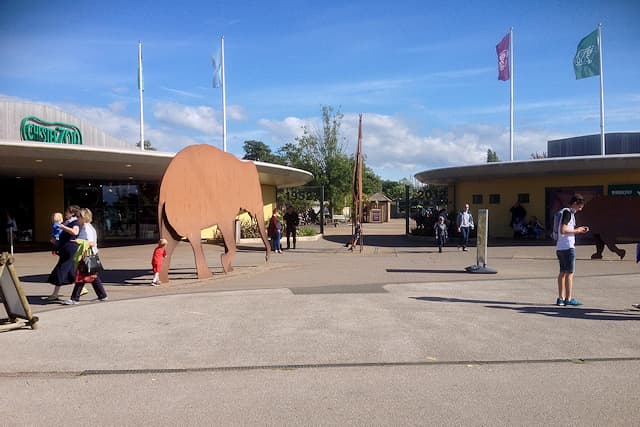
Chester Zoo
Chester Zoo, operated by the North of England Zoological Society, is a prominent wildlife attraction in Upton-by-Chester, England, and is recognized as one of the UK's largest zoos. It is a registered charity that receives no government funding and is celebrated for its extensive animal collection and significant conservation efforts, making it a highly visited and esteemed global zoo.

Paignton Zoo
Paignton Zoo is a prominent zoological and botanical garden located in Paignton, Devon, England. Originally established as a private collection in 1923, it has evolved into a significant conservation and educational institution, now operated by Dutch leisure company Libéma. The zoo is recognized for its diverse animal and plant collections, active participation in global conservation programs, and its role as a popular tourist attraction.