
Noah's Ark Zoo Farm
Noah's Ark Zoo Farm is a 100-acre zoo located in Wraxall, North Somerset, England, developed on a working farm. It is notable for housing the largest elephant facility in northern Europe and for its conservation programs, including participation in European Endangered Species Programmes. The zoo, which became a registered charity in 2023, aims to provide a sustainable environment for its animals and engage visitors with wildlife.
Key Facts
- ›Spans 100 acres in Wraxall, North Somerset, England.
- ›Opened permanently in 1999, after a trial run in August 1998.
- ›Features the largest elephant facility in northern Europe.
- ›Home to a 3.38 km long hedge maze, the longest in the UK.
- ›Participates in European Endangered Species Programmes for African Elephants, Spectacled Bears, Siamang Gibbons, and White-Headed Vultures.
- ›Achieved charity status on April 5, 2023.

Elephant Eden, Big Cat Sanctuary, Tiger Territory, Giraffe House, Hedge Maze
African Elephants, Bengal Tigers, South African White Rhinos, Siamang Gibbons, Aldabra Giant Tortoises
European Endangered Species Programme, African Elephants Eep, Spectacled Bears Eep, Siamang Gibbons Eep, White-Headed Vultures Eep, Cotton-Top Tamarin European Studbook, Asian Box Turtle European Studbook
About Noah's Ark Zoo Farm
Noah's Ark Zoo Farm is a 100-acre zoological park situated on a working farm in Wraxall, North Somerset, England. Located approximately six miles west of Bristol, it is recognized for housing the largest elephant facility in northern Europe. The zoo's development began in the late 1990s, with a trial run in August 1998 and a permanent opening in 1999. It was conceived by Anthony Bush, who transitioned the family farm from dairy to arable land and sheep raising before establishing the zoo.
History and Development
Anthony Bush, the son of a farm manager, leased Moat House Farm in 1960 and married Christina James in 1962. He was involved in agricultural committees and promoted wildlife conservation among farmers. In 1995, the Bushes purchased the farm, and by 1997, Anthony began considering the creation of a zoo. The park initially displayed farm and domestic animals alongside exotic species like alpacas and llamas. Over time, the collection expanded to include significant animals such as tigers, African lions, white rhinos, siamang gibbons, and ring-tailed lemurs. A notable event was the live birth of a Brazilian tapir, captured by a zoo webcam in April 2009.
The zoo features a 3.38-kilometer long hedge maze, which holds the distinction of being the longest in the UK. While Anthony Bush promoted his belief in creationism, which was met with criticism from scientific educational bodies and organizations like the British Humanist Association, the zoo later focused on achieving charitable status. This transition was spearheaded by his son, Larry Bush, who became managing director in 2019, with the zoo officially becoming a charity on April 5, 2023.
Conservation and Sustainability
Noah's Ark Zoo Farm is committed to conservation and became a participant in the European Endangered Species Programme (EEP) in 2015. Its conservation efforts include managing and conserving protected species, with active involvement in EEPs for African Elephants, Spectacled Bears, Siamang Gibbons, and White-Headed Vultures. The zoo also contributes to European Studbooks for the Cotton-Top Tamarin and the Asian Box Turtle. The elephant sanctuary, established in 2012 and opened in 2014, is a significant development, designed with sustainability in mind, incorporating solar power, biomass heating, and rainwater harvesting.
The zoo also holds 'Approved Associate' status from BIAZA for its Rare Breeds accreditation for farm species. It promotes itself as a "sustainable zoo," generating over half of its energy needs through renewable sources like wind turbines, biomass boilers, and solar panels. Initiatives like a Christmas tree recycling service demonstrate its commitment to environmental enrichment for the animals and community engagement.
Animal Exhibits
The zoo's animal collection is organized into sections such as Africa, Asia, Primates, and Reptiles. The African section, established in 2005, includes white rhinos, giraffes, African lions, African elephants, zebras, and meerkats. The Asian section houses Bengal tigers, yaks, water buffalo, and Bactrian camels. The Primate section is home to five species, including Siamang Gibbons and Cotton-Top Tamarins, some of which are listed as endangered or critically endangered on the IUCN red list. The Reptile section features Aldabra giant tortoises, with their enclosure having received an award from BIAZA for its design.
Source: Wikipedia ↗
Frequently Asked Questions
When did Noah's Ark Zoo Farm open?
Noah's Ark Zoo Farm opened for a trial run in August 1998 and then permanently in 1999. The development of the park began in 1998 with the construction of a barn, café, toilet block, and children's play area.
What is the largest animal enclosure at Noah's Ark Zoo Farm?
The zoo is home to the largest elephant facility in northern Europe. This sanctuary spans 20 acres and includes a large outdoor area with a heated swimming pool.
What conservation programs is Noah's Ark Zoo Farm involved in?
Noah's Ark Zoo Farm joined the European Endangered Species Programme (EEP) in 2015. It currently participates in EEPs for African Elephants, Spectacled Bears, Siamang Gibbons, and White-Headed Vultures, and is involved in European Studbooks for Cotton-Top Tamarins and Asian Box Turtles.
Does Noah's Ark Zoo Farm have any unique attractions?
Yes, the zoo features a hedge maze planted in 2003, which is 3.38 kilometers long and is recognized as the longest hedge maze in the UK. It also emphasizes sustainability, producing over half its consumed energy renewably.
When did Noah's Ark Zoo Farm become a charity?
Noah's Ark Zoo Farm officially became a charity on April 5, 2023. This change was a lengthy procedure initiated to support the zoo's conservation work.
Related Zoos
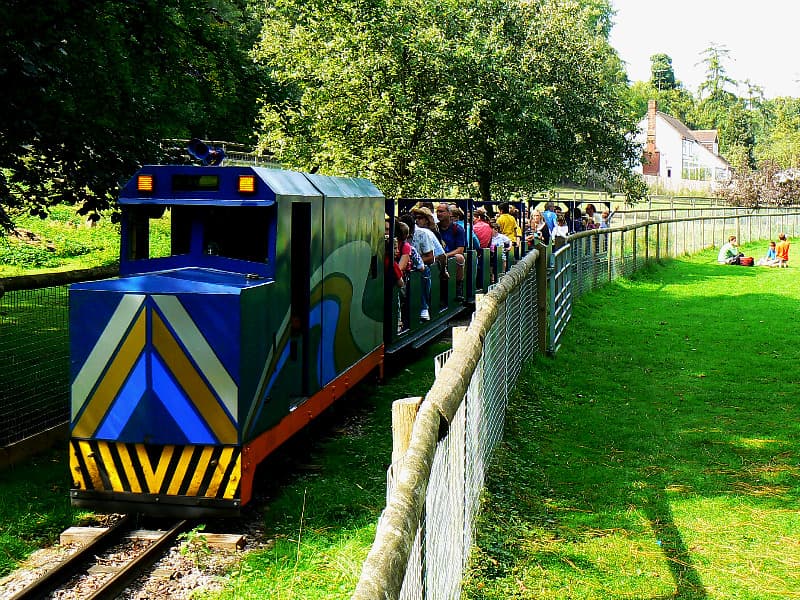
Beale Wildlife Park
Beale Wildlife Park is a non-profit charitable trust located in Berkshire, England, established on 350 acres by the River Thames. It offers a diverse range of attractions, including collections of exotic and farm animals, landscaped gardens, woodlands, and extensive children's play areas, making it a significant recreational and educational destination.
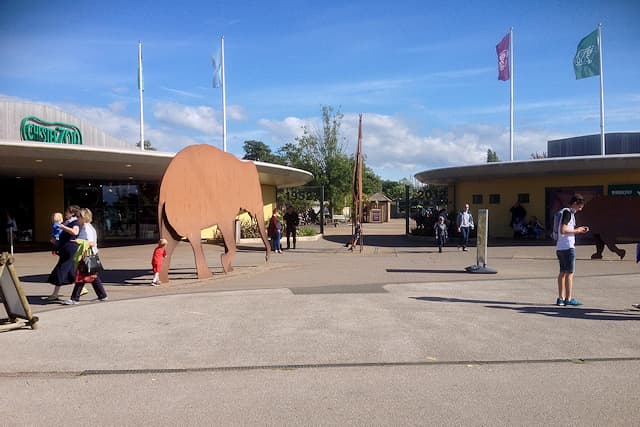
Chester Zoo
Chester Zoo, operated by the North of England Zoological Society, is a prominent wildlife attraction in Upton-by-Chester, England, and is recognized as one of the UK's largest zoos. It is a registered charity that receives no government funding and is celebrated for its extensive animal collection and significant conservation efforts, making it a highly visited and esteemed global zoo.

Dartmoor Zoological Park
Dartmoor Zoological Park is a 33-acre zoo located in Devon, England, with a history dating back to its opening in 1968. After facing closure, it was purchased by Benjamin Mee in 2006 and reopened in 2007, later becoming the registered charity Dartmoor Zoological Society in 2014, focusing on conservation, education, and research.