
Palawan Wildlife Rescue and Conservation Center
Philippines·Wildlife Rescue Center·20th century
The Palawan Wildlife Rescue and Conservation Center (PWRCC), formerly known as the Crocodile Farming Institute, is a vital wildlife rehabilitation and conservation facility in Puerto Princesa, Philippines. Established to protect and promote the sustainable conservation of Philippine and Saltwater crocodiles, it also serves as a rescue center for various endemic species and is open to the public for educational tours.
Key Facts
- ›Established on August 20, 1987, as the Crocodile Farming Institute (CFI).
- ›A joint venture between the Philippine government's Department of Environment and Natural Resources (DENR) and the Japan International Cooperation Agency.
- ›Dedicated to keeping Philippine crocodiles (Crocodylus mindorensis) and Saltwater crocodiles (Crocodylus porosus) in captivity.
- ›Accredited by CITES since January 4, 1997, allowing commercial sale of Saltwater crocodiles.
- ›As of October 2021, housed approximately 1,450 crocodiles and 245 other wild animals.
- ›Comprises four components: Crocodile Farming Institute, Wildlife Rescue Center, Ecological Destination Park, and PWRCC Training Center.

Philippine Crocodile Enclosure, Saltwater Crocodile Enclosure
Philippine Crocodile, Saltwater Crocodile
Philippine Crocodile Conservation, Saltwater Crocodile Conservation, Wildlife Rehabilitation
About Palawan Wildlife Rescue and Conservation Center
The Palawan Wildlife Rescue and Conservation Center (PWRCC), located in Puerto Princesa, Palawan, Philippines, is a significant facility dedicated to wildlife rehabilitation and conservation. Originally established on August 20, 1987, as the Crocodile Farming Institute (CFI), it was a collaborative effort between the Philippine government's Department of Environment and Natural Resources (DENR) and the Japan International Cooperation Agency. Its foundational goals were to ensure the sustainable conservation of the critically important Philippine crocodile (Crocodylus mindorensis) and the Saltwater crocodile (Crocodylus porosus), and to develop crocodile farming as a sustainable livelihood for local communities.
Over the years, the center has undergone administrative changes. In 2000, it was officially renamed the Palawan Wildlife Rescue and Conservation Center (PWRCC) through a DENR Administrative Order. Management responsibilities have shifted between the DENR's Biodiversity Management Bureau (BMB) and the Natural Resource Development Corporation (NRDC). Since 2020, the PWRCC has been under the full management of the NRDC.
Conservation and Operations
As its name suggests, the PWRCC is a hub for crocodile conservation. It actively keeps both the Philippine crocodile and the Saltwater crocodile in captivity. The facility obtained accreditation from the Convention on International Trade in Endangered Species (CITES) on January 4, 1997, which permits the commercial sale of Saltwater crocodiles, primarily for their leather. It is, however, illegal for the center to sell Philippine crocodiles, underscoring its commitment to the protection of this endangered species.
Beyond its primary focus on crocodiles, the PWRCC also serves as a critical rescue center for other wild animals. This includes endemic Palawan species, many of which are temporarily housed for rehabilitation after being found injured in the wild or seized from illegal captivity. The ultimate aim for these animals is release back into their natural habitats. Some animals, however, remain in long-term captivity at the center.
Public Engagement and Facilities
The Palawan Wildlife Rescue and Conservation Center is also an ecological destination open to the public. It organizes informational tours, providing an educational opportunity for visitors to learn about the crocodiles and other wildlife housed there, as well as the conservation efforts underway. The facility is structured into four key components: the Crocodile Farming Institute, the Wildlife Rescue Center, an Ecological Destination Park, and the PWRCC Training Center.
As of October 2021, the center housed a substantial population, including approximately 1,450 individual crocodiles and 245 other wild animals, reflecting its significant role in both conservation and rescue operations within the region.
Source: Wikipedia ↗
Frequently Asked Questions
When was the Palawan Wildlife Rescue and Conservation Center established?
The Palawan Wildlife Rescue and Conservation Center was established on August 20, 1987. It was originally founded as the Crocodile Farming Institute (CFI).
What is the primary purpose of the PWRCC?
The primary purpose of the PWRCC is the sustainable conservation of the Philippine crocodile and Saltwater crocodile. It also serves as a wildlife rehabilitation center for injured or confiscated animals and promotes crocodile farming as a livelihood.
What types of crocodiles are kept at the PWRCC?
The PWRCC is dedicated to keeping two endemic crocodile species in captivity: the Philippine crocodile (Crocodylus mindorensis) and the Saltwater crocodile (Crocodylus porosus).
Can the PWRCC sell crocodiles?
The center is legally prohibited from selling Philippine crocodiles. However, it has CITES accreditation to sell Saltwater crocodiles for commercial purposes, such as for their leather.
What other animals can be found at the PWRCC?
In addition to crocodiles, the PWRCC hosts other animals, including Palawan endemic species. Some animals are temporarily kept for rehabilitation before release, while others are housed long-term.
Is the PWRCC open to the public?
Yes, the PWRCC is open to the public and organizes informational tours. It is also referred to as the Crocodile Farm.
Related Zoos

Ninoy Aquino Parks & Wildlife Center
The Ninoy Aquino Parks & Wildlife Center is a zoological and botanical garden located in Quezon City, Philippines. It serves as a vital wildlife rescue and rehabilitation center, providing temporary shelter for confiscated, abandoned, or injured wild animals, and also functions as a public park showcasing indigenous flora and fauna.

Pasig Rainforest Park
Pasig Rainforest Park, also known as RAVE Rainforest Park, is a large public recreational and natural park located in Pasig, Metro Manila, Philippines. It features a variety of attractions including a water park, adventure activities, a mini-zoo, and a botanical garden, serving as a significant green space and leisure destination for the community.
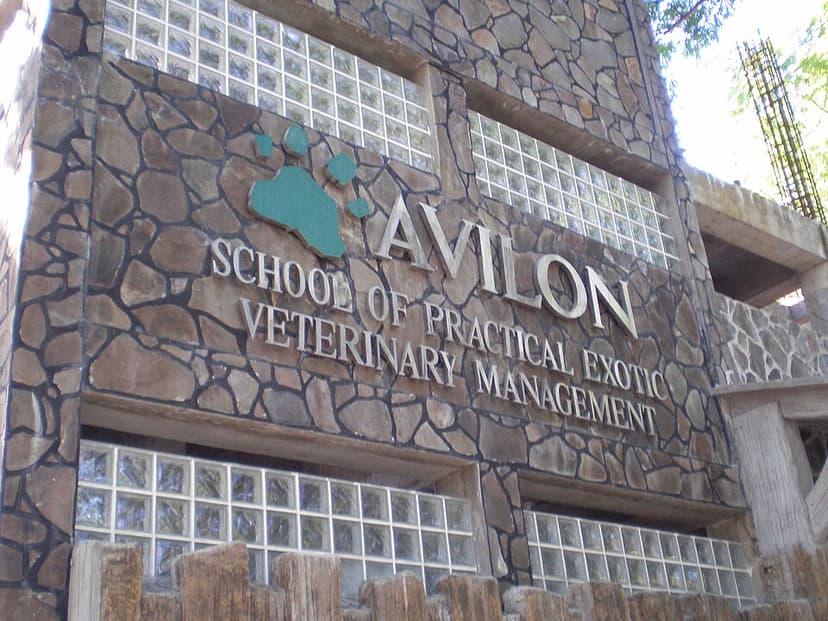
Avilon Zoo
Avilon Zoo is the largest zoological institution in the Philippines by land area and animal collection, covering 7.5 hectares. It houses over 3,000 specimens of exotic wildlife, representing more than 600 species, with a strong emphasis on Philippine native fauna and ex situ conservation programs. The zoo aims to be a premier wildlife facility in Southeast Asia, offering educational tours and interactive experiences while actively working to preserve threatened species.