
Seoul Grand Park Zoo
Seoul Grand Park Zoo, also known as Seoul Zoo, is South Korea's largest zoo and a significant component of the Seoul Grand Park complex. It traces its origins back to 1909, making it the first zoo on the Korean peninsula, and is recognized internationally for its participation in species conservation programs.
Key Facts
- ›Seoul Grand Park Zoo is South Korea's largest zoo.
- ›It was originally founded in 1909 by the Japanese at Changgyeonggung Palace.
- ›The zoo houses over 3,000 animals representing 330 species.
- ›It is a recognized member of Species360 and the World Zoo Organization.
- ›The zoo is located in Gwacheon, South Korea.
- ›It is part of the larger Seoul Grand Park complex, which also includes a botanical garden, Seoul Land amusement park, and the National Museum of Modern and Contemporary Art, Korea.

Flamingo Pavilion, 1st Africa Pavilion, 2nd Africa Pavilion, 3rd Africa Pavilion, Ape Pavilion, Large Herbivores Pavilion, Australia Pavilion
Jedol, Taesan, Boksun, Kkoma, Kodol, Giant, Sakura, Kanto
Research On Endangered Korean Native Animals, Conservation Education Center
About Seoul Grand Park Zoo
Seoul Grand Park Zoo Overview
Seoul Grand Park Zoo, commonly referred to as Seoul Zoo, stands as South Korea's largest zoological institution and is a prominent feature within the expansive Seoul Grand Park complex in Gwacheon. Its origins trace back to November 1, 1909, when it was established by the Japanese colonial administration at Changgyeonggung Palace, then known as Changgyeongwon. This historical founding marks it as the first zoo on the Korean peninsula.
Following the end of World War II and the subsequent Korean War, the zoo underwent a period of restoration and restocking, receiving donations and gifts from various sources. Public sentiment and the aging facilities at the original site led to the decision to relocate. Construction for the new zoo began in 1979, and Seoul Zoo officially reopened to the public at its current location on May 1, 1984.
Today, Seoul Zoo is recognized internationally as a member of Species360 (formerly ISIS) and the World Zoo Organization. It houses a diverse collection of over 3,000 animals representing approximately 330 species, positioning it as the 10th largest zoo globally in terms of animal numbers. The zoo is actively engaged in wildlife conservation efforts, operating a Conservation Education Center dedicated to researching endangered Korean native species.
Facilities and Exhibits
The zoo is organized into various themed pavilions, showcasing a wide array of animals. These include the Flamingo Pavilion, the Africa Pavilions dedicated to herbivores and predators, the Ape Pavilion housing numerous primate species, the Large Herbivores Pavilion, and the Australia Pavilion. Notable exhibits aim to replicate natural habitats, such as the savanna-like setting for African herbivores and the rocky, grassy plains for African predators.
Notable History and Events
Seoul Zoo's history is marked by several significant events. The zoo has experienced animal escapes, including a notable incident with a Malayan sun bear named Kkoma in 2010 and a white rhinoceros named Kodol in 2012. A tragic landslide in 1987 impacted the Carnivore Enclosure, leading to animal escapes. The zoo has also been involved in controversial cases, such as the illegal purchase and subsequent release of Indo-Pacific bottlenose dolphins, including Jedol, Taesan, and Boksun, following environmental group advocacy.
Famous animal residents have included elephants like Giant, who was the oldest captive animal in Korea at his death in 2009, and Sakura, who held the title of the oldest elephant in South Korea until her passing in 2024. The zoo also faced a significant challenge with a bovine tuberculosis outbreak in the South American Pavilion between 2021 and 2022, which involved the euthanization of animals.
Location and Accessibility
Seoul Grand Park Zoo is situated within the larger Seoul Grand Park complex, which also encompasses Seoul Land amusement park, the National Museum of Modern and Contemporary Art, Korea, and a botanical garden. It is accessible via Line 4 of the Seoul Metropolitan Subway, with Seoul Grand Park Station serving as the closest stop, connected by shuttle bus to the park entrances.
Source: Wikipedia ↗
Frequently Asked Questions
What is the history of Seoul Grand Park Zoo?
The zoo originated in 1909 when it was established by the Japanese at Changgyeonggung Palace, then known as Changgyeongwon. After the liberation of Korea and the Korean War, it was restocked through donations and gifts. The zoo was relocated and reopened at its current Gwacheon location on May 1, 1984.
How many animals and species are at Seoul Grand Park Zoo?
Seoul Grand Park Zoo is home to more than 3,000 animals across 330 different species. This makes it the 10th largest zoo in the world by animal count.
What are some notable exhibits or pavilions at Seoul Grand Park Zoo?
Notable exhibits include the Flamingo Pavilion, the Africa Pavilions (housing herbivores and predators), the Ape Pavilion, and the Large Herbivores Pavilion. The zoo also features an Australia Pavilion.
Does Seoul Grand Park Zoo participate in conservation efforts?
Yes, Seoul Zoo actively participates in conservation efforts globally and has its own Conservation Education Center. This center researches endangered Korean native animals, such as Long-tailed gorals and Seoul frogs.
What is the significance of the dolphins Jedol, Taesan, and Boksun in the zoo's history?
These Indo-Pacific bottlenose dolphins were illegally purchased by Seoul Grand Park Zoo. Following public outcry and expert opinions, the city decided to release Jedol in 2013, and Taesan and Boksun in 2015, after they underwent adaptation training.
What happened during the landslide in 1987?
On July 27, 1987, a landslide occurred in the Carnivore Enclosure section due to heavy rains. This resulted in the destruction of the tiger cage's isolation fence, leading to the escape of two coyotes. Jaguars housed in the area were presumed dead.
Has the zoo experienced any notable animal escapes?
Yes, there have been a few escapes. In 2010, a Malayan sun bear named Kkoma escaped and was eventually recaptured after nine days. In 2012, a male white rhinoceros named Kodol escaped and died of a heart attack after injuring itself.
Related Zoos

Dalseong Park
Dalseong Park is a historic public park located in Daegu, South Korea, notable for its ancient fortress ruins and its designation as a Historic Site of South Korea. The park features a local history hall, monuments, and a zoo, making it a multifaceted destination for cultural and recreational visits.

Everland Zoo-topia
Everland Zoo-topia, also known as Everland, is South Korea's largest theme park and a major tourist attraction located in Yongin, Gyeonggi Province. Originally opened as Yongin Farmland, it evolved into a comprehensive resort featuring a zoo, water park, and numerous attractions, becoming a significant entertainment destination since its establishment in 1976. It is operated by Samsung C&T Corporation, a subsidiary of the Samsung Group.
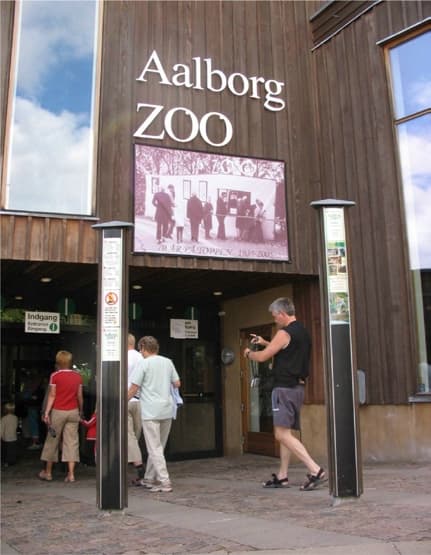
Aalborg Zoo
Aalborg Zoo is a zoological garden situated near the heart of Aalborg, Denmark, drawing approximately 375,000 visitors annually. It serves as a significant institution for animal conservation, actively participating in global breeding programs and environmental preservation projects, including supporting rainforest conservation in Ecuador.