
Shymkent Zoo
The Shymkent Zoo is the state zoological park of Shymkent, Kazakhstan, and ranks among the country's largest and oldest. It spans a significant area, with a portion dedicated to animal exposition and an additional area for growing animal feed. The zoo is notable for housing a variety of animals listed in the 'Red Book'.
Key Facts
- ›Total area: 54 hectares (130 acres)
- ›Exposition area: 34 hectares (84 acres)
- ›Area for growing feed: 30 hectares (74 acres)
- ›Houses over 20 species listed in the 'Red Book'
- ›Grows 25% of its own animal forage

About Shymkent Zoo
The Shymkent Zoo is the official zoological park of the city of Shymkent in Kazakhstan. It is recognized as one of the largest and oldest zoological parks within the country, reflecting a long-standing presence in the region.
Size and Facilities
The zoo encompasses a total area of 54 hectares, which translates to approximately 130 acres. Within this expansive property, 34 hectares (84 acres) are designated for the animal exposition, where visitors can view the resident wildlife. An additional 30 hectares (74 acres) of land are dedicated to cultivating the necessary forages for the animals, with the zoo growing 25% of its own feed requirements.
Conservation Significance
A key aspect of the Shymkent Zoo's operation is its commitment to housing endangered species. The park is home to more than 20 kinds of animals that are listed in the 'Red Book,' an international registry of threatened species, underscoring its role in the conservation of vulnerable wildlife.
Source: Wikipedia ↗
Frequently Asked Questions
What is the total size of the Shymkent Zoo?
The Shymkent Zoo covers a total area of 54 hectares, which is equivalent to 130 acres. Of this, 34 hectares (84 acres) are dedicated to the animal exposition.
Does the Shymkent Zoo participate in conservation efforts?
Yes, the Shymkent Zoo houses more than 20 kinds of animals that are listed in the 'Red Book', indicating a role in conservation.
How does the zoo manage its animal feed requirements?
The zoo manages a portion of its forage needs internally. It grows 25% of the required animal forages on its own land, utilizing an area of 30 hectares (74 acres) for this purpose.
Related Zoos
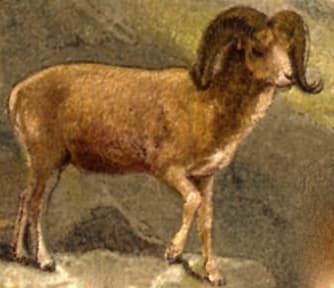
Karaganda Zoo
The Karaganda Zoo is the state zoo of Karaganda, Kazakhstan, and is recognized as one of the largest and oldest zoological parks in the country. It gained international recognition as the home of Batyr, the "talking" elephant, until the elephant's death in 1993.

Minnesota Zoo
The Minnesota Zoo, established in 1978, is a state-supported institution in Apple Valley, Minnesota, recognized for its innovative exhibit design that groups animals by their natural habitats rather than by species. It is one of only two state-supported zoos in the United States and features a variety of themed trails and attractions, including a focus on native Minnesota wildlife and a significant marine life area.
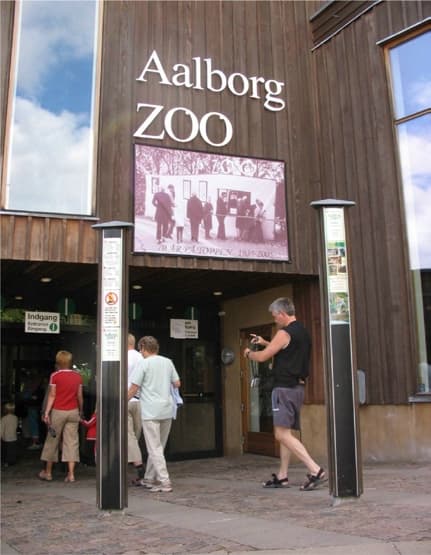
Aalborg Zoo
Aalborg Zoo is a zoological garden situated near the heart of Aalborg, Denmark, drawing approximately 375,000 visitors annually. It serves as a significant institution for animal conservation, actively participating in global breeding programs and environmental preservation projects, including supporting rainforest conservation in Ecuador.