
Surabaya Zoo
Surabaya Zoo, established in 1916, is a zoological park located in Surabaya, East Java, Indonesia. It has faced significant controversy regarding animal welfare and has been criticized for poor conditions, leading to animal deaths and a revoked license in the past. Despite these challenges, the zoo houses a diverse collection of animals and has been involved in breeding programs, notably for the Bali starling.
Key Facts
- ›Established on August 31, 1916, as Soerabaiasche Planten-en Dierentuin.
- ›Expanded to its current size of 15 hectares (37 acres) from 1939 onwards.
- ›Renowned for its successful Bali starling breeding program, which led to the release of birds into the wild.
- ›Has faced severe criticism and controversy over animal welfare and has had its license revoked.
- ›As of January 2014, it housed 3,459 animals from 197 species.
- ›Houses a significant population of Komodo dragons.
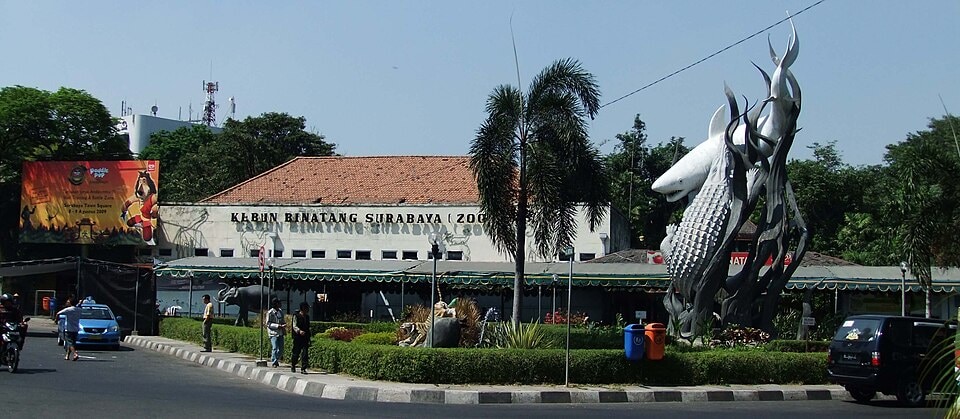
Komodo Dragon Exhibit
Sumatran Tiger, African Lion, Wallaby, Komodo Dragon, Babirusa, Bawean Deer, Crocodile, Bali Starling, Giraffe
Bali Starling Breeding Program
About Surabaya Zoo
Surabaya Zoo, known in Indonesian as Kebun Binatang Surabaya (KBS) and sometimes abbreviated as KBS or Bonbin, is a zoological park situated in the city of Surabaya, East Java, Indonesia. Established on August 31, 1916, as Soerabaiasche Planten-en Dierentuin, it was initially conceived by journalist H. F. K. Kommer, who had a passion for collecting animals.
History and Development
The zoo's early history involved several relocations. It was first established in Kaliondo in 1916, moving to Groedo Road in 1917 and then to a new location in the Darmo area in 1920. This Darmo site was on land measuring 30,500 m² belonging to the Oost-Java Stoomtram Maatschappij (East Java steam tramway company). The zoo faced financial difficulties early on, with a plan for its disestablishment in 1922 that was ultimately not agreed upon by the Surabaya municipality. A new association was formed for the zoo in 1923, and its financial stability was later supported by the mayor of Surabaya and the People's Representative Council, leading to the purchase of a new, larger plot of land in 1927.
From 1939 onwards, the zoo underwent significant expansion, reaching its current size of 15 hectares (37 acres). The breeding facility at Surabaya Zoo was renovated between August and November 1987. This renovation included 29 aviaries dedicated to endangered Bali starlings, a species endemic to western Bali. The captive population of Bali starlings was bolstered by birds donated from zoos and private collections in the United States and the Jersey Wildlife Preservation Trust. The success of this breeding program was highlighted by the release of 40 starlings into the wild at West Bali National Park in June 2011.
Controversies and Animal Welfare Concerns
Surabaya Zoo has been the subject of considerable controversy regarding its animal welfare standards. Activist groups, such as the Jakarta Animal Aid Network (JAAN), alongside interim zoo administrators, have raised complaints about the treatment of animals. The situation became so dire that The Jakarta Post referred to the facility as the 'Surabaya Zoo of Death' in 2010. In August 2010, the Forestry Ministry revoked the zoo's license following a series of animal deaths, including a rare Sumatran tiger, an African lion, a wallaby, a Komodo dragon, a babirusa, a Bawean deer, and a crocodile.
Investigations into these deaths attributed most of them to negligent keepers. The Temporary Management Team transferred 378 animals to six conservation organizations; however, some of these animals were in poor condition and subsequently died. Autopsies revealed plastic and wood inside deceased animals. The death of Melani, a Sumatran tiger, drew particular outrage due to her suffering from severe digestive disorders prior to rescue. Another incident occurred on March 2, 2012, when a giraffe died after ingesting plastic debris left by visitors.
By January 28, 2014, the zoo reported a collection of 3,459 animals from 197 species, but noted that 81 animals were sick or disabled, with 44 in severe condition. An online petition calling for the zoo's closure due to ongoing mistreatment of animals garnered over 885,000 signatures before closing in late 2016.
Notable Exhibits and Collections
As of March 2018, Surabaya Zoo housed a notable population of 76 Komodo dragons, including a dozen eggs that had recently been laid and 13 dragons under a year old. To address potential overpopulation, authorities planned to construct a dedicated dragon park in the Kenjeran coastal area, viewing it as a more cost-effective solution than attempting wild releases.
Operational Status
While the zoo has faced significant challenges and criticism, it continues to operate and house a diverse range of species. Information regarding ongoing conservation efforts and current animal welfare conditions requires up-to-date verification from official sources.
Source: Wikipedia ↗
Frequently Asked Questions
When was Surabaya Zoo established?
Surabaya Zoo was established by decree of the Governor General of the Netherlands East Indies on August 31, 1916. It was initially known as Soerabaiasche Planten-en Dierentuin.
What is the size of Surabaya Zoo?
The zoo covers an area of 15 hectares, which is equivalent to 37 acres. Its size has expanded to this extent from 1939 to the present.
Has Surabaya Zoo had issues with animal welfare?
Yes, Surabaya Zoo has faced significant complaints about its treatment of animals from activist groups and interim administrators. The situation led to severe criticism, including being called the 'Surabaya Zoo of Death' and the revocation of its license in 2010 due to several animal deaths.
What notable breeding programs has Surabaya Zoo been involved in?
The zoo has had a successful breeding program for the Bali starling. Renovations to its breeding facility in 1987, which included aviaries for endangered Bali starlings, led to an increase in the captive population and eventual release of birds into the wild.
How many animals and species were at Surabaya Zoo in 2014?
In January 2014, Surabaya Zoo announced a collection of 3,459 animals representing 197 species. However, at that time, many animals were reported to be sick, disabled, or in severe conditions.
What is known about the Komodo dragon exhibit?
As of March 2018, Surabaya Zoo housed 76 Komodo dragons, with many young ones. Plans were made to build a dragon park to manage the likely overpopulation, as releasing them into the wild was considered less feasible.
Related Zoos

Taman Safari
Taman Safari Indonesia is a network of animal theme parks comprising three primary locations: Taman Safari I (Bogor), Taman Safari II (Prigen), and Taman Safari III (Bali). These parks are renowned for their extensive wildlife collections and conservation efforts, with Taman Safari I being the most popular and featuring a drive-through safari experience, educational shows, and a notable "Panda Palace."
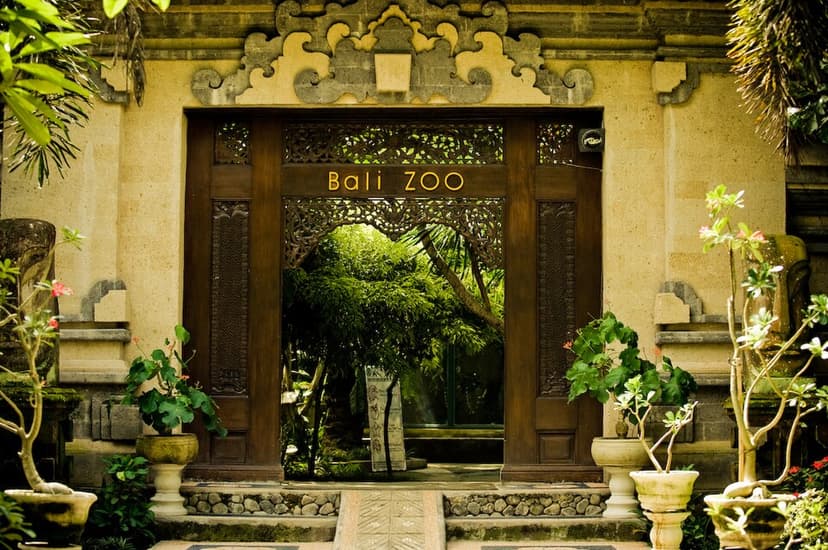
Bali Zoo
Bali Zoo is the first and primary zoo located in Gianyar Regency, Bali, Indonesia. Established in 2002, it houses over 600 animals representing 60 different species, making it a significant attraction on the island.
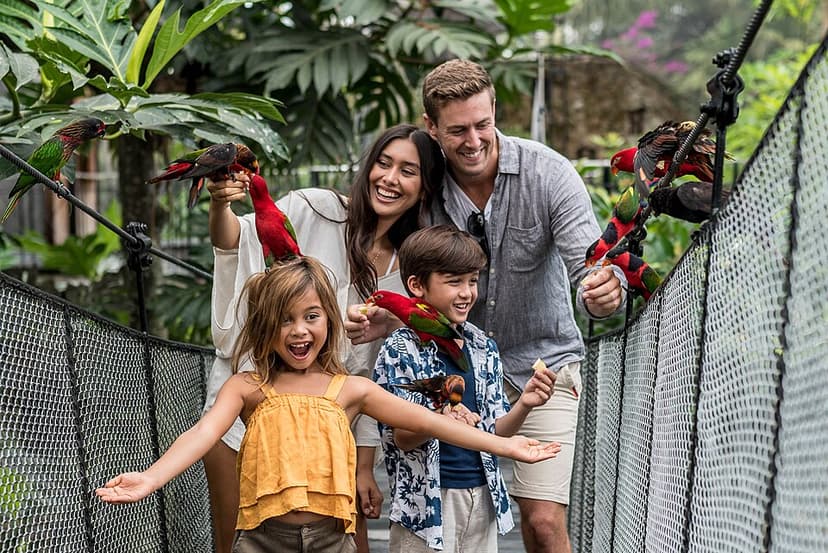
Bali Bird Park
Bali Bird Park, also known as Taman Burung Bali, is a significant tourist attraction and conservation center located in the Gianyar Regency of Bali, Indonesia. It is dedicated to the breeding and preservation of various bird species, with a particular focus on Birds of Paradise and the critically endangered Bali Starling. The park plays a vital role in avian conservation through its breeding programs and by providing naturalistic habitats for its diverse collection.