
WWT Martin Mere
WWT Martin Mere is a significant wetland nature reserve and wildfowl collection located in Lancashire, England, managed by the Wildfowl and Wetlands Trust. It serves as a crucial habitat for numerous bird species, particularly during winter, and is recognized for its biodiversity, including rare plant and insect life.
Key Facts
- ›Managed by the Wildfowl and Wetlands Trust (WWT).
- ›Designated as an SSSI, SPA, and Ramsar Site, highlighting its ecological importance.
- ›Attracts large wintering flocks of pink-footed geese, Eurasian wigeon, and whooper swans.
- ›Features observation hides and habitats for birds from Africa, Australasia, North America, South America, Siberia, and Asia.
- ›Has recorded rare species such as the whorled caraway and the marsh dowd micromoth.
- ›Opened to the public in March 1975 after initial opening to Wildfowl Trust members in late 1974.
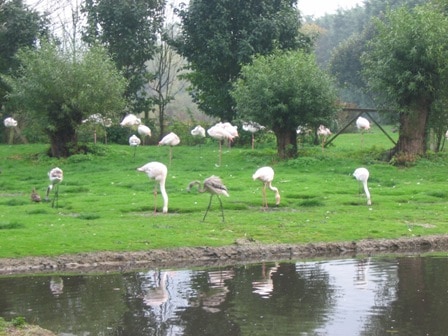
Pink-Footed Geese, Eurasian Wigeon, Whooper Swans, Snow Goose, Hen Harrier, Peregrine, Merlin
About WWT Martin Mere
WWT Martin Mere is a vital wetland nature reserve and wildfowl collection situated in Tarlscough, Burscough, Lancashire, England. Managed by the Wildfowl and Wetlands Trust (WWT), it plays a significant role in conservation and education, serving as a habitat for a diverse range of wildlife.
History and Establishment
The concept for Martin Mere originated with haulage contractor Ronnie Barker, who recognized the site's importance for wildfowl. Barker facilitated a meeting between himself, Sir Peter Scott, and the landowner, leading to Sir Peter Scott's purchase of 363 acres (147 ha) for £52,000. The reserve was first opened to members of the Wildfowl Trust in late 1974 and subsequently to the general public in March 1975. Peter Gladstone served as the first warden.
Ecological Significance and Wildlife
Martin Mere holds designations as a Site of Special Scientific Interest (SSSI), a Special Protection Area (SPA), and a Ramsar Site, underscoring its national and international ecological importance. The reserve is particularly renowned for its wintering populations of wildfowl, attracting large flocks of pink-footed geese, Eurasian wigeon, and numerous whooper swans. Occasional rarer species, such as the snow goose, are also observed.
The reserve also supports a variety of other wildlife. Its "Domesday Book" lists nationally important species beyond birds, including the whorled caraway, which is found only at this site in England outside of the southwest, and the regionally scarce water dropwort. Furthermore, the marsh dowd micromoth was recorded here for the first time in northern England, indicating the site's rich biodiversity.
Habitats and Features
The name "Martin Mere" derives from a mere on the western side of the reserve, which is encircled by over ten observation hides, offering visitors excellent vantage points. On the eastern side of the reserve, various pens have been created to provide suitable habitats for birds originating from Africa, Australasia, North America, South America, Siberia, and Asia. The reserve is also a key location for wintering birds of prey, including hen harriers, peregrines, and merlins.
Public Recognition
Martin Mere gained further public recognition when it was chosen as the broadcast location for the BBC television programme Autumnwatch in 2006 and 2007, highlighting its natural beauty and wildlife spectacles to a wider audience.
Source: Wikipedia ↗
Frequently Asked Questions
What is WWT Martin Mere?
WWT Martin Mere is a wetland nature reserve and wildfowl collection managed by the Wildfowl and Wetlands Trust. It is situated on the West Lancashire Coastal Plain and is recognized for its biodiversity and importance as a habitat for numerous bird species.
When was WWT Martin Mere established?
WWT Martin Mere was initially opened to members of the Wildfowl Trust in late 1974 and then opened to the general public in March 1975. The concept originated with Ronnie Barker, who arranged for Sir Peter Scott to purchase the land.
What makes WWT Martin Mere ecologically important?
Martin Mere is designated as a Site of Special Scientific Interest (SSSI), a Special Protection Area (SPA), and a Ramsar Site. These designations underscore its significance for wildlife, particularly for migratory birds and rare plant and insect species.
What animals can be seen at WWT Martin Mere?
The reserve is renowned for attracting large numbers of wintering birds, including pink-footed geese, Eurasian wigeon, and whooper swans. It also provides habitats for birds from various continents and is important for wintering birds of prey like hen harriers and peregrines.
Has WWT Martin Mere been featured on television?
Yes, the BBC television programme Autumnwatch was broadcast live from Martin Mere in 2006 and 2007. This highlights the reserve's appeal and its role in showcasing natural wildlife events.
Related Zoos
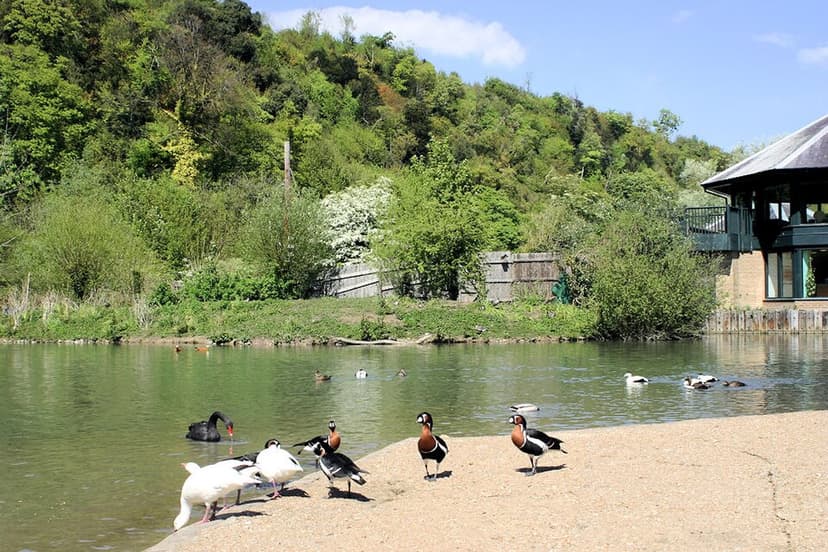
WWT Arundel
WWT Arundel is one of ten nature reserves managed by the Wildfowl and Wetlands Trust, a UK-based conservation charity. Located in the Arun valley in West Sussex, England, the 60-acre reserve is dedicated to protecting wildfowl and wetland species, including endangered ones like the Hawaiian goose. It offers visitors diverse habitats and opportunities to observe a wide array of ducks, geese, swans, and other wildlife through exhibits and guided experiences.
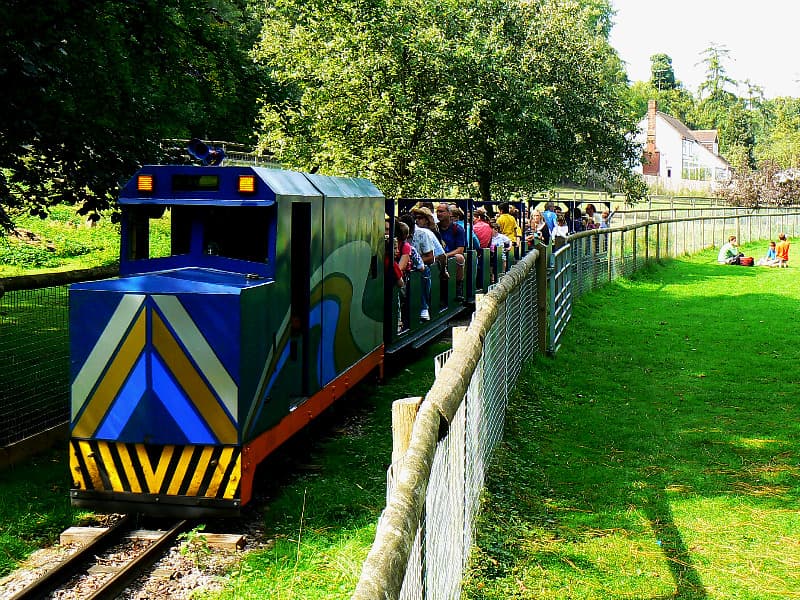
Beale Wildlife Park
Beale Wildlife Park is a non-profit charitable trust located in Berkshire, England, established on 350 acres by the River Thames. It offers a diverse range of attractions, including collections of exotic and farm animals, landscaped gardens, woodlands, and extensive children's play areas, making it a significant recreational and educational destination.
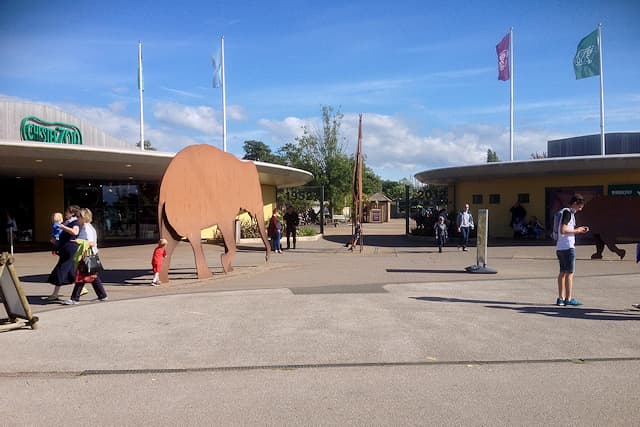
Chester Zoo
Chester Zoo, operated by the North of England Zoological Society, is a prominent wildlife attraction in Upton-by-Chester, England, and is recognized as one of the UK's largest zoos. It is a registered charity that receives no government funding and is celebrated for its extensive animal collection and significant conservation efforts, making it a highly visited and esteemed global zoo.