
Boulengerula fischeri
Africa·Oviparous with direct development (inferred)·Not specified·Southwestern Rwanda, near Cyangugu
Boulengerula fischeri, also known as Fischer's African caecilian, is a species of caecilian native to Rwanda. This slender, pink, spaghetti-like amphibian is found in montane forests and adjacent farmlands. Its specific name honors German botanist Eberhard Fischer.
Key Facts
- ›Endemic to Rwanda, known only from the Cyangugu area.
- ›Adults range from approximately 10 to 16 inches in length.
- ›Possesses a very slender, pink body resembling 'live pink spaghetti'.
- ›Inhabits primary montane forests and adjacent small-holder farmlands.
- ›Likely oviparous with direct development, meaning no free-living larval stage.
- ›Potential threats include deforestation and agricultural intensification.

Primary Montane Forest, Small-Holder Farmland
Fischer's African Caecilian
Deforestation, Agricultural Intensification, Use of Agrochemicals
About Boulengerula fischeri
Boulengerula fischeri, commonly known as Fischer's African caecilian, is a species of amphibian endemic to Rwanda. This unique creature belongs to the family Herpelidae and is distinguished by its slender, pink, spaghetti-like appearance.
Description and Habitat
Adult Boulengerula fischeri exhibit a remarkable slenderness, with lengths ranging from approximately 10 to 16 inches (257–397 mm). Their bodies are adorned with numerous primary annuli, and their coloration is a distinctive pinkish hue, often with brighter shades on the head and posterior regions, and sometimes transitioning to lavender towards the rear. These caecilians inhabit primary montane forests and the adjacent small-holder farmlands, typically found at elevations between 1,743 and 2,000 meters. They are fossorial, spending most of their lives burrowed in the soil, though they may occasionally be found on the ground beneath leaf litter or vegetation.
Reproduction and Conservation
While not definitively documented for this specific species, it is inferred that Boulengerula fischeri reproduces oviparously, laying eggs and undergoing direct development, which means there is no free-living larval stage. Despite being locally abundant and showing some tolerance to habitat modification, Boulengerula fischeri faces potential threats from deforestation and the intensification of agriculture, particularly the use of agrochemicals. The area where the species was first identified is now part of the Nyungwe Forest National Park, offering some protection to its habitat.
Source: Wikipedia ↗
Frequently Asked Questions
What is Boulengerula fischeri?
Boulengerula fischeri is a species of caecilian belonging to the family Herpelidae. It is a slender, burrowing amphibian found only in Rwanda.
Where does Boulengerula fischeri live?
This species is endemic to Rwanda and is known from its type locality near Cyangugu in southwestern Rwanda. It inhabits primary montane forests and adjacent small-holder farmlands.
What does Boulengerula fischeri look like?
Adult Boulengerula fischeri are characterized by their very slender, pink bodies, often described as resembling 'live pink spaghetti'. Their coloration can range from pinkish to more lavender hues, with variations in head and body shades.
What is the diet of Boulengerula fischeri?
While specific dietary details for Boulengerula fischeri are not provided, caecilians generally feed on small invertebrates found in their soil and leaf litter habitats.
How does Boulengerula fischeri reproduce?
If similar to other species in the genus Boulengerula, it is expected to be oviparous, meaning it lays eggs, and to exhibit direct development, which means there are no free-living larval stages.
What are the conservation concerns for Boulengerula fischeri?
Boulengerula fischeri may be threatened by deforestation and agricultural intensification, including the use of agrochemicals. However, it is noted to be locally abundant and can tolerate some habitat modification.
Related Caecilian species
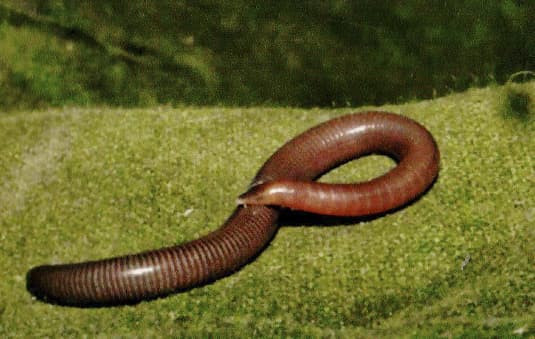
Grandisonia larvata
Grandisonia larvata, also known as the Indian Ocean caecilian, is a species of amphibian belonging to the Indotyphlidae family. It is exclusively found on the Seychelles islands of Mahé, Praslin, La Digue, and Silhouette.
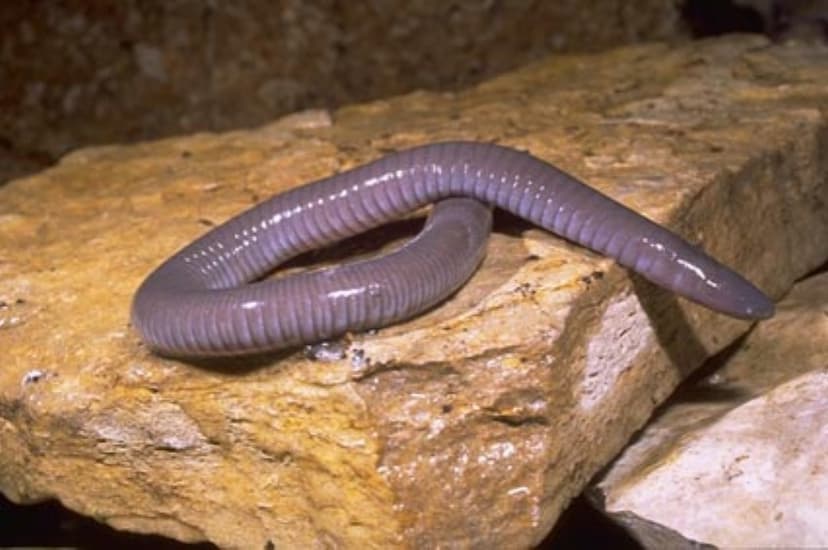
Dermophiidae
The Dermophiidae are a family of neotropical caecilians native to Central and South America, and Africa. These amphibians superficially resemble worms or snakes and are distinguished by being the only viviparous caecilians to possess secondary annuli, which are rings around their bodies.

Geotrypetes seraphini
Geotrypetes seraphini, commonly known as the Gaboon caecilian, is a species of amphibian native to West and Central Africa. This burrowing amphibian inhabits moist lowland forests, plantations, and even urban and agricultural areas within its range. It is distinguished by its elongated, limbless body and smooth, moist skin, typical of caecilians.