
Dermophiidae
Africa, South America, Central America·Viviparous (give birth to live young)·Not specified·Central and South America, and Africa
The Dermophiidae are a family of neotropical caecilians native to Central and South America, and Africa. These amphibians superficially resemble worms or snakes and are distinguished by being the only viviparous caecilians to possess secondary annuli, which are rings around their bodies.
Key Facts
- ›Dermophiidae are a family of caecilians found in Central and South America, and Africa.
- ›They superficially resemble worms or snakes.
- ›This family is unique among caecilians for being viviparous (giving birth to live young).
- ›Dermophiidae are characterized by the presence of secondary annuli, or rings around their bodies.
- ›The family includes genera such as Dermophis, Geotrypetes, Gymnopis, and Schistometopum.
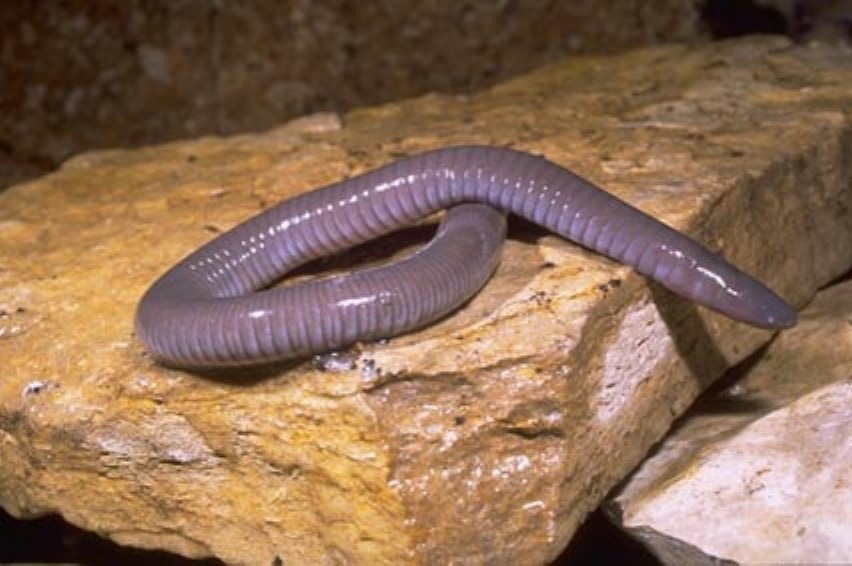
Neotropical Environments
About Dermophiidae
The Dermophiidae represent a distinct family of neotropical caecilians, a group of limbless amphibians. These creatures are primarily found inhabiting regions across Central and South America, as well as parts of Africa. Their appearance is often likened to that of worms or snakes, a common trait among caecilians, making them easily overlooked or misidentified.
What sets the Dermophiidae apart within the caecilian order is their unique reproductive strategy and morphology. They are notably the only caecilians that exhibit viviparity, meaning they give birth to live young rather than laying eggs. Furthermore, this viviparity is coupled with the presence of secondary annuli, which are characteristic rings that encircle their bodies. This combination of traits marks them as a significant lineage within amphibian diversity.
The family encompasses several genera, including Dermophis, Geotrypetes, Gymnopis, and Schistometopum, each containing various species distributed across their native continents. While specific details about their individual habitats, diets, and behaviors vary among species, the overarching characteristics of the Dermophiidae family highlight their specialized adaptations within their environments.
Source: Wikipedia ↗
Frequently Asked Questions
What are Dermophiidae?
Dermophiidae are a family of neotropical caecilians. They are amphibians that live in Central and South America, and Africa. They are often mistaken for worms or snakes due to their appearance.
What makes Dermophiidae unique among caecilians?
The Dermophiidae are the only caecilians that are viviparous, meaning they give birth to live young. They are also the only viviparous caecilians that have secondary annuli, which are rings around their bodies.
Where are Dermophiidae found?
This family of caecilians is found in Central and South America, as well as in Africa. Their distribution spans across these tropical and subtropical regions.
What do Dermophiidae look like?
Dermophiidae superficially resemble worms or snakes. They have segmented bodies with characteristic rings, known as secondary annuli, which are a distinctive feature of this family, particularly among their viviparous members.
Related Caecilian species

Boulengerula fischeri
Boulengerula fischeri, also known as Fischer's African caecilian, is a species of caecilian native to Rwanda. This slender, pink, spaghetti-like amphibian is found in montane forests and adjacent farmlands. Its specific name honors German botanist Eberhard Fischer.
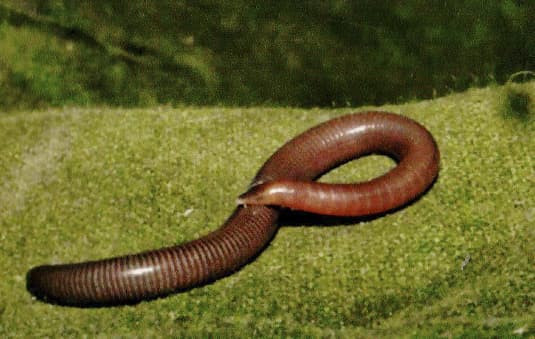
Grandisonia larvata
Grandisonia larvata, also known as the Indian Ocean caecilian, is a species of amphibian belonging to the Indotyphlidae family. It is exclusively found on the Seychelles islands of Mahé, Praslin, La Digue, and Silhouette.