
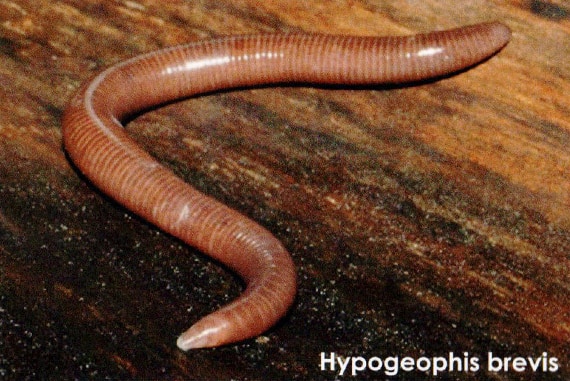
Hypogeophis brevis
Africa·Unknown·Unknown·Mahé and Silhouette islands, Seychelles
Hypogeophis brevis is a species of caecilian native to the Seychelles islands of Mahé and Silhouette. It was formerly classified under the genus Grandisonia and is distinguished by its limited known distribution, having been documented from only a few specimens collected over time.
Key Facts
- ›Found on the islands of Mahé and Silhouette in the Seychelles.
- ›Previously classified within the genus Grandisonia.
- ›Known from a small number of specimens.
- ›First collected on Mahé in 1910.
- ›More recent collections have been made on Silhouette.
Terrestrial
About Hypogeophis brevis
Hypogeophis brevis is a species of caecilian that hails from the Seychelles archipelago. This amphibian is specifically known to inhabit the islands of Mahé and Silhouette. Historically, it was sometimes classified under the genus Grandisonia.
Discovery and Known Specimens
The known existence of Hypogeophis brevis is based on a small number of collected specimens. The earliest documented collection occurred on Mahé in 1910, yielding two individuals. More recently, additional specimens have been gathered from the island of Silhouette, further contributing to the understanding of this species' limited geographical presence.
Source: Wikipedia ↗
Frequently Asked Questions
Where is Hypogeophis brevis found?
Hypogeophis brevis is found on the islands of Mahé and Silhouette in the Seychelles archipelago. These islands are located in the western Indian Ocean.
What is the scientific classification of Hypogeophis brevis?
Hypogeophis brevis is a species of caecilian. It was formerly included in the genus Grandisonia but is now recognized within its current classification.
How many specimens of Hypogeophis brevis are known?
The species is known from only a limited number of specimens. The first two were collected on Mahé in 1910, with more specimens collected more recently from Silhouette.
Related Caecilian species

Boulengerula fischeri
Boulengerula fischeri, also known as Fischer's African caecilian, is a species of caecilian native to Rwanda. This slender, pink, spaghetti-like amphibian is found in montane forests and adjacent farmlands. Its specific name honors German botanist Eberhard Fischer.
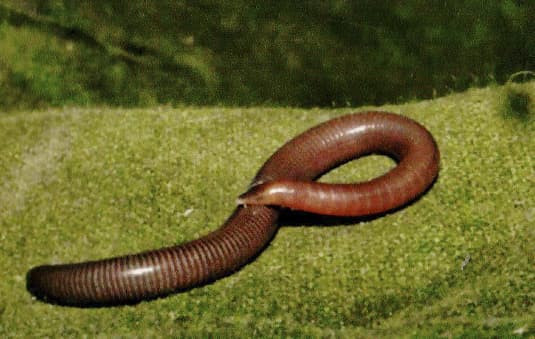
Grandisonia larvata
Grandisonia larvata, also known as the Indian Ocean caecilian, is a species of amphibian belonging to the Indotyphlidae family. It is exclusively found on the Seychelles islands of Mahé, Praslin, La Digue, and Silhouette.

Geotrypetes seraphini
Geotrypetes seraphini, commonly known as the Gaboon caecilian, is a species of amphibian native to West and Central Africa. This burrowing amphibian inhabits moist lowland forests, plantations, and even urban and agricultural areas within its range. It is distinguished by its elongated, limbless body and smooth, moist skin, typical of caecilians.