
Hypogeophis rostratus
Africa·Seychelles (Mahé, Praslin, Silhouette, Ste. Anne, Curieuse, La Digue, Cerf, and Frégate islands)
The Frigate Island caecilian (Hypogeophis rostratus) is a species of amphibian endemic to the Seychelles, making it the most widespread caecilian in the region. It is known for its sharp nose and a skeletal structure that bears resemblance to the Indian caeciliid, Gegeneophis ramaswamii. This species inhabits various islands within the Seychelles archipelago.
Key Facts
- ›Endemic to the Seychelles archipelago.
- ›Most widespread caecilian species in the Seychelles.
- ›Found on Mahé, Praslin, Silhouette, Ste. Anne, Curieuse, La Digue, Cerf, and Frégate islands.
- ›Its skeletal structure is noted to resemble that of Gegeneophis ramaswamii.
- ›Also commonly referred to as the sharp-nosed caecilia.
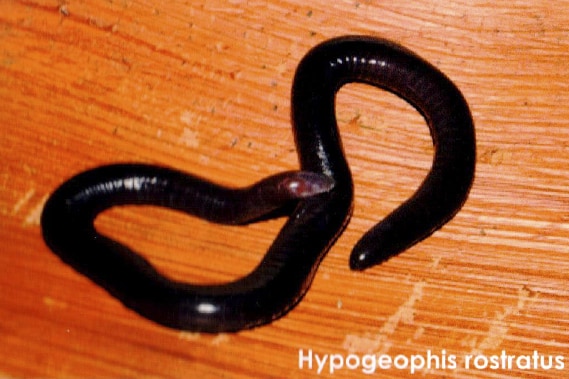
Terrestrial Environments On Islands
Frigate Island Caecilian, Sharp-Nosed Caecilia
About Hypogeophis rostratus
The Frigate Island caecilian, scientifically known as Hypogeophis rostratus and also called the sharp-nosed caecilia, is a species of amphibian belonging to the Indotyphlidae family. This species is endemic to the Seychelles archipelago and holds the distinction of being the most widespread caecilian found in the region. Its presence is noted across multiple islands, including Mahé, Praslin, Silhouette, Ste. Anne, Curieuse, La Digue, Cerf, and Frégate.
Skeletal Morphology
A notable characteristic of Hypogeophis rostratus is its skeletal structure, which has been observed to bear resemblance to Gegeneophis ramaswamii, a direct-developing caeciliid from India. This comparative observation was a subject of scientific inquiry, following questions regarding the original statements about its skeletal development.
Distribution and Habitat
As an endemic species of the Seychelles, Hypogeophis rostratus inhabits the terrestrial environments of the islands where amphibians are found. Its widespread distribution across these islands indicates an adaptability to the local island ecosystems.
Source: Wikipedia ↗
Frequently Asked Questions
Where is the Frigate Island caecilian found?
The Frigate Island caecilian is endemic to the Seychelles archipelago. It is found on several islands within the Seychelles, including Mahé, Praslin, Silhouette, Ste. Anne, Curieuse, La Digue, Cerf, and Frégate.
What is distinctive about the Frigate Island caecilian's skeletal structure?
The skeletal structure of the Frigate Island caecilian has been described as resembling that of Gegeneophis ramaswamii, an Indian direct-developing caeciliid. This observation was made after questions were raised about its skeletal structure and development.
What are other common names for Hypogeophis rostratus?
Besides the Frigate Island caecilian, this species is also known by the common name sharp-nosed caecilia, referring to its facial morphology.
Is the Frigate Island caecilian the only caecilian species in the Seychelles?
No, while it is the most widespread, the Frigate Island caecilian is a species of amphibian found in the Seychelles. The text states it is the most widespread caecilian species in the Seychelles.
Related Caecilian species

Boulengerula fischeri
Boulengerula fischeri, also known as Fischer's African caecilian, is a species of caecilian native to Rwanda. This slender, pink, spaghetti-like amphibian is found in montane forests and adjacent farmlands. Its specific name honors German botanist Eberhard Fischer.
Grandisonia larvata
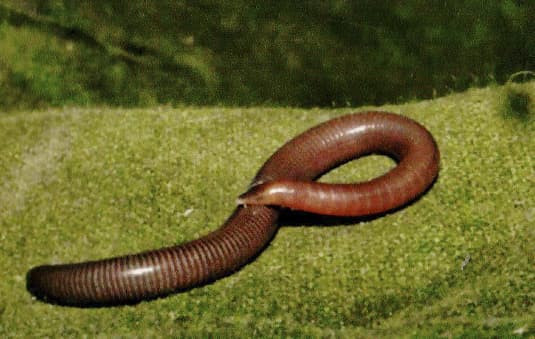
Grandisonia larvata, also known as the Indian Ocean caecilian, is a species of amphibian belonging to the Indotyphlidae family. It is exclusively found on the Seychelles islands of Mahé, Praslin, La Digue, and Silhouette.

Geotrypetes seraphini
Geotrypetes seraphini, commonly known as the Gaboon caecilian, is a species of amphibian native to West and Central Africa. This burrowing amphibian inhabits moist lowland forests, plantations, and even urban and agricultural areas within its range. It is distinguished by its elongated, limbless body and smooth, moist skin, typical of caecilians.