
Carnarvon Gorge
River Canyon·Australia·Carnarvon Creek·Sandstone
Carnarvon Gorge, located in Central Queensland, Australia, is a significant natural attraction carved primarily by water erosion. Stretching approximately 30 kilometers in length and reaching depths of up to 600 meters, it is renowned for its diverse ecosystems, Indigenous cultural sites, and dramatic sandstone landscapes. As the most visited feature within Carnarvon National Park, it draws over 70,000 visitors annually, offering a unique oasis in a semi-arid region.
Key Facts
- ›Approximately 30 kilometers long and up to 600 meters deep.
- ›Formed primarily by water erosion of sandstone and basaltic rock strata.
- ›Contains significant Indigenous cultural sites and rock art.
- ›Supports diverse flora including cycads and endemic palms, and a rich fauna with numerous mammal, bird, reptile, and amphibian species.
- ›Receives an average of 1,000 MM of rainfall annually, creating an oasis effect.
- ›Designated as one of the Q150 Icons of Queensland as a 'Natural attraction'.
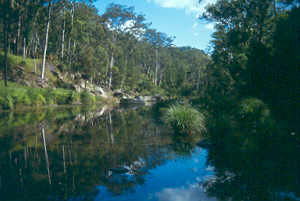
River Erosion
Indigenous Cultural Sites, Rock Art Sites, Sandstone Canyons, Sandstone Cliff Lines, Basalt-Capped Tablelands, Relict Rainforest Vegetation, Carnarvon Creek, Precipice Sandstone, Bowen Basin, Surat Basin, Buckland Volcanic Province, Art Gallery, Cathedral Cave, Moss Garden, Boolimba Bluff, Mickey Creek Gorge, Baloon Cave, Cycad Macrozamia Moorei, Carnarvon Fan Palm
Platypus, Echidna, Eastern Grey Kangaroo, Pretty-Faced Wallaby, Swamp Wallaby, Wallaroo/Euro, Red-Necked Wallaby, Rufous Bettong, Greater Glider, Yellow-Bellied Glider, Squirrel Glider, Sugar Glider, Feathertail Glider, Wedge-Tailed Eagle, Laughing Kookaburra, Pied Currawong, Australian Bustard, Brolga, White-Winged Chough, Apostlebird, Peregrine Falcon, Parrots, Honeyeaters, Australian Raven, Red-Browed Finch, White-Browed Scrubwren, Thornbill, Keelback Snake, Green Tree Snake, Carpet Python, Lace Monitor, Sand Monitor, Major Skink, Tusked Frog, Striped Marsh Frog, Cane Toad, Krefft's River Turtle, Saw-Shelled Turtle, Northern Quoll
- Eucalypt and Angophora Dominated Woodland
- Mixed Eucalypt, Acacia, White Cypress Pine Or Turpentine Woodlands
- Queensland Blue Gum Woodland
- Silver-Leaved Ironbark Woodland
- River She-Oak Fringing Woodland
- Tall Open Forest In Sheltered Gorges and Moist Habitats
- Relict Rainforest Vegetation
About Carnarvon Gorge
Carnarvon Gorge is a prominent natural landmark situated in Central Queensland, Australia, approximately 593 kilometers northwest of Brisbane. This expansive gorge, primarily sculpted by the persistent force of water erosion, extends for about 30 kilometers and plunges to depths of up to 600 meters at its mouth. It forms a central and highly visited feature within Carnarvon National Park, drawing visitors with its remarkable diversity of natural and cultural experiences and its relative accessibility.
Geological Formation and Features
The gorge's landscapes are a testament to millions of years of geological processes. Carnarvon Creek, a remarkably reliable water source, has incised through layers of sandstone and basalt, exposing rocks from significant phases of Queensland's geological history. The youngest formations include igneous basalt rocks from the Buckland Volcanic Province, which cap the high country and resist erosion, influencing the gorge's waterways. The most visible rock strata belong to the Surat Basin, particularly the porous Precipice Sandstone, which forms the spectacular cliffs and acts as a vital intake bed for the Great Artesian Basin. The gorge floor is primarily composed of the Moolayember Formation from the Bowen Basin, whose impermeability helps maintain surface water levels, sustaining the gorge's status as an oasis in the surrounding semi-arid environment.
Biodiversity and Ecosystems
Carnarvon Gorge supports a rich tapestry of life, significantly enhanced by its unique microclimate. Average rainfall within the gorge is higher than in the surrounding plains, leading to more moderate temperatures and creating conditions favorable for diverse flora and fauna. Three broad vegetation types are present, including woodlands and open forests, with specific regional ecosystems like Queensland blue gum and silver-leaved ironbark woodlands. Iconic plant species include the endemic cycad Macrozamia moorei and the Carnarvon fan palm (Livistona nitida), with several other species reaching their distribution limits or occurring in disjunct populations within the gorge.
The fauna is equally impressive, featuring a wide array of mammals, including monotremes like the platypus and echidna, various macropod species, and five of Australia's seven glider species. Birdlife is abundant, with over 180 species recorded, from small finches to large raptors. The gorge is also home to over 90 species of reptiles and 22 species of frogs, as well as a diverse invertebrate population. Carnarvon Creek teems with aquatic life, including freshwater turtles.
Human History and Significance
Indigenous Australians have a deep historical and cultural connection to Carnarvon Gorge, with dreamtime stories attributing its creation to the Rainbow Serpent. While some historical accounts suggest potential reasons for limited permanent occupation by Aboriginal people, such as sacredness or defensive concerns, their presence is evidenced by significant cultural sites and rock art. European exploration began in the mid-19th century with figures like Ludwig Leichhardt and Thomas Mitchell. The subsequent arrival of settlers led to conflict and displacement of Aboriginal populations. In 1932, Carnarvon Gorge was gazetted as a National Park, ceasing agricultural activities within its boundaries and paving the way for its development as a major tourist destination. In 2009, it was recognized as one of the Q150 Icons of Queensland for its importance as a natural attraction, drawing over 70,000 visitors annually.
Source: Wikipedia ↗
Frequently Asked Questions
How was Carnarvon Gorge formed?
Carnarvon Gorge was primarily carved by water erosion over millions of years. Carnarvon Creek has cut down through layers of sandstone and basalt, exposing ancient geological strata and creating the gorge's dramatic cliffs and floor.
What are the main activities for visitors at Carnarvon Gorge?
Visitors can explore a 10-kilometer track into the gorge, with diversions to sites like the Art Gallery, Cathedral Cave, and the Moss Garden. There are also more challenging remote tracks for experienced walkers, and opportunities to see diverse flora and fauna.
What kind of wildlife can be seen in Carnarvon Gorge?
The gorge is home to a rich diversity of wildlife, including mammals like kangaroos, wallabies, and several species of gliders. Over 180 bird species have been recorded, alongside numerous reptiles, amphibians, and invertebrates. Platypus and echidnas are also present.
What geological features are prominent in Carnarvon Gorge?
The gorge features spectacular sandstone cliffs formed from the Precipice Sandstone, basalt-capped tablelands, and sedimentary basins. Carnarvon Creek, a reliable water source, flows through the gorge, creating springs and an oasis.
Is Carnarvon Gorge easily accessible?
Carnarvon Gorge is considered the most visited feature within Carnarvon National Park due to its accessibility. There are well-maintained tracks and facilities, including a visitor center, picnic areas, and camping grounds.
What is the climate like in Carnarvon Gorge?
The climate in the gorge is more moderate and wetter than the surrounding terrain, with an average rainfall of 1,000 mm per year. Temperatures on the gorge floor are milder, though frost can occur, especially during winter months.
Related Canyons

Capertee Valley
Capertee Valley, located in New South Wales, Australia, is recognized as the world's widest canyon, surpassing even the Grand Canyon in its breadth. Carved by the Capertee River over millions of years through Permian and Triassic sedimentary rocks, the valley features dramatic sandstone cliffs and limestone formations. It holds significant ecological importance as a prime breeding site for endangered bird species and is a popular destination for birdwatching and bushwalking.
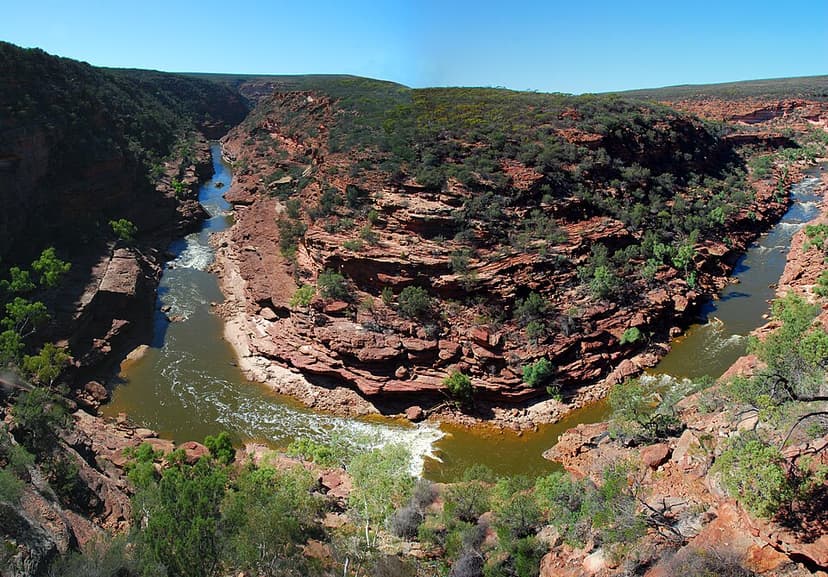
Murchison River Gorge
Murchison River Gorge is a significant riverine gorge located in the Mid West region of Western Australia, carved by the lower reaches of the Murchison River. Extending over 80 kilometers and reaching depths of up to 129 meters, it is renowned for its natural beauty and geological importance. The gorge is a major tourist attraction and contains important paleontological evidence of early land animals.

Porcupine Gorge
Porcupine Gorge is a sandstone gorge located in North West Queensland, Australia, carved by Galah Creek. It is a protected area within Porcupine Gorge National Park, known for its dramatic incised landscape and geological formations. The gorge is a significant natural attraction, hosting an annual race and diverse birdlife.