
Caspana
River Canyon·Chile·Caspana River
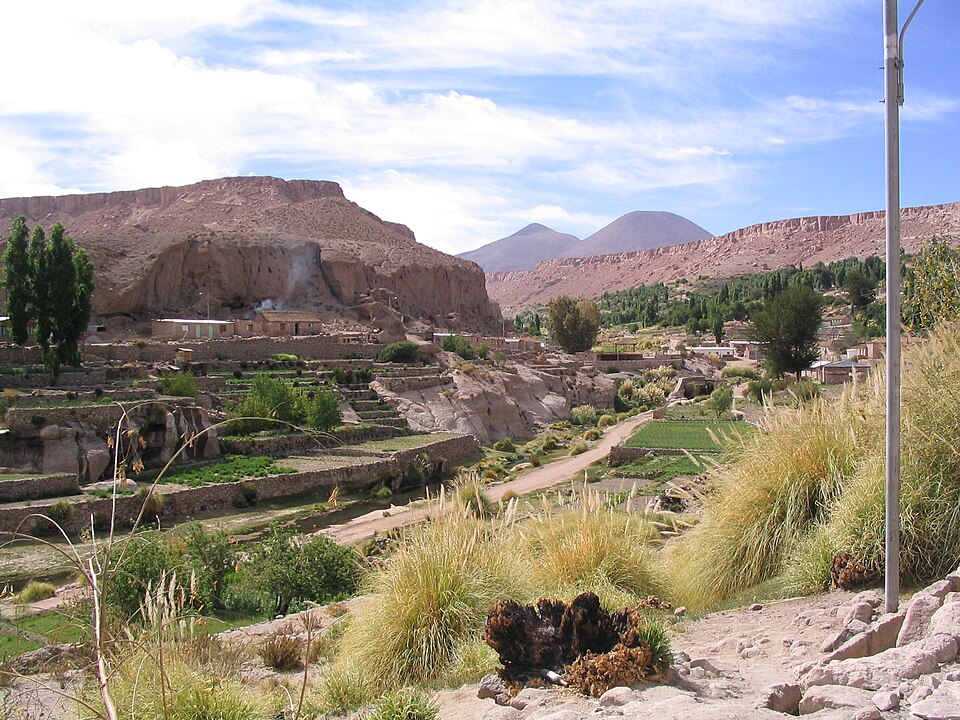
Caspana is a Chilean village situated in a gorge carved by the Caspana River, a tributary of the Salado River. The village is characterized by its agricultural terraces and a historic church dating back to the 17th century. It is located 85 kilometers northeast of Calama.
Key Facts
- ›Located 85 km northeast of Calama, Chile.
- ›Situated in a gorge carved by the Caspana River.
- ›The Caspana River is a tributary of the Salado River.
- ›Features agricultural terraces as part of its landscape.
- ›Has a church that dates from the 17th century.
River Erosion
Agricultural Terraces, Church Dating From the 17th Century
Agricultural Crops
About Caspana
Caspana is a Chilean village nestled within a significant gorge carved by the Caspana River. This river itself is a tributary of the larger Salado River, and its erosive power has shaped the dramatic landscape surrounding the settlement.
Key Characteristics
The village is distinguished by its agricultural terraces, which are a testament to historical land use and farming techniques. These terraces form a notable part of the visual and functional landscape. Adding to its historical significance, Caspana features a church that dates back to the 17th century, indicating a long-standing human presence and development in the area.
Location and Context
Caspana is situated approximately 85 kilometers northeast of the city of Calama. Its location within the gorge of the Caspana River places it in a unique geographical setting, influenced by the river's course and the surrounding terrain.
Source: Wikipedia ↗
Frequently Asked Questions
Where is Caspana located?
Caspana is a Chilean village located 85 kilometers northeast of the city of Calama. It lies within a gorge carved by the Caspana River.
What is the significance of the Caspana River?
The Caspana River carved the gorge in which the village of Caspana is situated. It is a tributary of the larger Salado River.
What are some notable features of Caspana?
The landscape of Caspana is characterized by agricultural terraces, indicating historical farming practices. Additionally, the village possesses a church that dates back to the 17th century.
Related Canyons
Cajón del Maipo
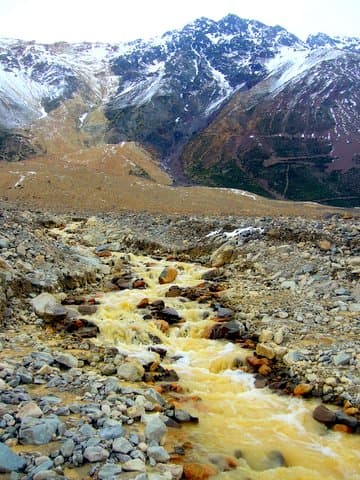
Cajón del Maipo is a significant canyon situated in the Andean southeastern part of Chile's Santiago Metropolitan Region. Formed by the upper Maipo River basin, it is characterized by a narrow valley carved by the river and its confluent tributaries, surrounded by prominent Andean peaks. This region is a popular tourist destination, drawing visitors for its natural beauty and recreational opportunities.

Aare Gorge
The Aare Gorge is a dramatic canyon carved through a limestone ridge near Meiringen, Switzerland, by the Aare River. Formed approximately 10,000 years ago by glacial meltwater erosion at the end of the Ice Age, this narrow passage features sheer cliffs and is a significant tourist attraction, partly due to its proximity to the famous Reichenbach Falls.

Agawa Canyon
Agawa Canyon is a shallow canyon in Ontario, Canada, formed approximately 1.2 billion years ago by faulting and later carved by the Agawa River. It is now a popular tourist destination within the Agawa Canyon Wilderness Park, accessible by train or hiking trail, and is renowned for its natural beauty, waterfalls, and seasonal foliage.