
Agawa Canyon
River Canyon·Canada·Proterozoic·Agawa River
Agawa Canyon is a shallow canyon in Ontario, Canada, formed approximately 1.2 billion years ago by faulting and later carved by the Agawa River. It is now a popular tourist destination within the Agawa Canyon Wilderness Park, accessible by train or hiking trail, and is renowned for its natural beauty, waterfalls, and seasonal foliage.
Key Facts
- ›Canyon walls rise up to 175.2 meters (575 ft) above the Agawa River.
- ›Features four waterfalls: North and South Black Beaver Falls (53.3 M), Bridal Veil Falls (68.5 M), and Otter Creek Falls (13.7 M).
- ›Located in a transitional zone between the Great Lakes – St. Lawrence Forest and Boreal Forest regions, supporting diverse flora.
- ›Annual snowfall can exceed 450 CM (180 in).
- ›Accessible via hiking trails or the Algoma Central Railway.
- ›The name 'Agawa' is of Ojibway origin, meaning 'shelter'.

Faulting, River Erosion
North Black Beaver Falls, South Black Beaver Falls, Bridal Veil Falls, Otter Creek Falls, Lookout Platform
Beaver, Otter, Mergansers, Wood Ducks, Goldeneyes, Chipmunks, Meadow Voles, Groundhogs, Ravens, Robins, Grackles, Ruffed Grouse, Great Blue Herons, Merlins, Golden Eagles, Broad-Winged Hawks, American Kestrels, Speckled Trout
Great Lakes – St. Lawrence Forest Flora, Boreal Forest Flora, Fireweed, Hawkweed, Oxeye Daisy, Nodding Trillium, Yellow Clintonia, Viper's Bugloss, Bladder Campion, Yarrow, Evening Primrose, Asters
Agawa
About Agawa Canyon
Agawa Canyon is a notable natural feature located in the Algoma District of Northeastern Ontario, Canada. This shallow canyon was geologically formed approximately 1.2 billion years ago through faulting along the Canadian Shield. Its dramatic landscape was subsequently carved and deepened by the persistent erosive forces of the Agawa River.
Geography and Natural Features
The canyon's walls reach impressive heights, with the highest points rising 175.2 meters (575 ft) above the river. The Agawa Canyon Wilderness Park, encompassing this area, sits at the ecological transition between the Great Lakes – St. Lawrence Forest and the Boreal Forest, resulting in a rich diversity of plant life from both regions. The area experiences significant snowfall, with annual accumulations often exceeding 450 centimeters (180 inches). Four distinct waterfalls enhance the canyon's scenic beauty: the North and South Black Beaver Falls, the taller Bridal Veil Falls, and the shorter Otter Creek Falls.
Flora and Fauna
The canyon supports a vibrant ecosystem. Spring and summer bring a profusion of wildflowers, including fireweed, hawkweed, Oxeye daisy, nodding trillium, and yellow clintonia. Later in the season, plants like viper's bugloss, bladder campion, and various asters come into bloom. The Agawa River is home to abundant wildlife, including beaver and otter, as well as several species of ducks. Birdlife is diverse, with common sightings of ravens, robins, grouse, and great blue herons, alongside a variety of raptors such as merlins and golden eagles. Small mammals like chipmunks and groundhogs are also prevalent.
History and Accessibility
The history of human interaction with Agawa Canyon is closely tied to the development of the Algoma Central Railway, with the first tracks laid in 1911. The railway company began developing the Agawa Canyon Wilderness Park in 1952, establishing it as a significant tourist destination. The park is primarily accessed via hiking trails or the Agawa Canyon station on the Algoma Central Railway, which operates a popular tour train. The Ojibway word 'Agawa' translates to 'shelter,' reflecting a potential historical connection to indigenous peoples. The canyon's rugged beauty also inspired artists, notably members of the Group of Seven, who painted in the region between 1918 and 1923, often utilizing a converted boxcar for access.
Visitor Activities
Agawa Canyon offers numerous opportunities for recreation and exploration. Five nature trails allow visitors to immerse themselves in the park's environment. A popular activity is climbing 372 steps to reach a "Lookout" point, providing a panoramic vista of the canyon from 76 meters (250 ft) above the river. The Algoma Central Railway's tour trains operate seasonally, offering unique experiences such as viewing fall foliage or the winter snowscape. Ice climbing is also an available activity during the winter months.
Source: Wikipedia ↗
Frequently Asked Questions
How was Agawa Canyon formed?
Agawa Canyon was primarily formed by faulting along the Canadian Shield approximately 1.2 billion years ago. This geological event created the initial structure, which was then significantly enlarged by the erosive action of the Agawa River over millennia.
What are the main attractions in Agawa Canyon?
The canyon's attractions include its impressive waterfalls, such as Bridal Veil Falls and Black Beaver Falls. Visitors can also enjoy panoramic views from a lookout platform reached by climbing 372 steps, and explore the park via five nature trails.
How can I visit Agawa Canyon?
Agawa Canyon is accessible by hiking trails or by taking the Algoma Central Railway's Agawa Canyon Tour Train. The train offers services during the summer, fall, and winter months, catering to different seasonal attractions like autumn colors or snow train excursions.
What kind of wildlife can be found in Agawa Canyon?
The Agawa River hosts abundant beaver and otter populations, along with various duck species. The area also supports small mammals like chipmunks and groundhogs, and a variety of birds including ravens, robins, and raptors such as merlins and golden eagles.
What is the significance of the name 'Agawa'?
The name 'Agawa' is derived from the native Ojibway language and translates to 'shelter.' This name suggests a historical or cultural significance of the canyon as a place of refuge or protection for indigenous peoples.
Are there opportunities for outdoor activities in Agawa Canyon?
Yes, visitors can participate in various activities. These include hiking on the park's nature trails, climbing to the canyon lookout, and ice climbing during the winter months. The train can even drop off ice climbers at specific locations.
Related Canyons
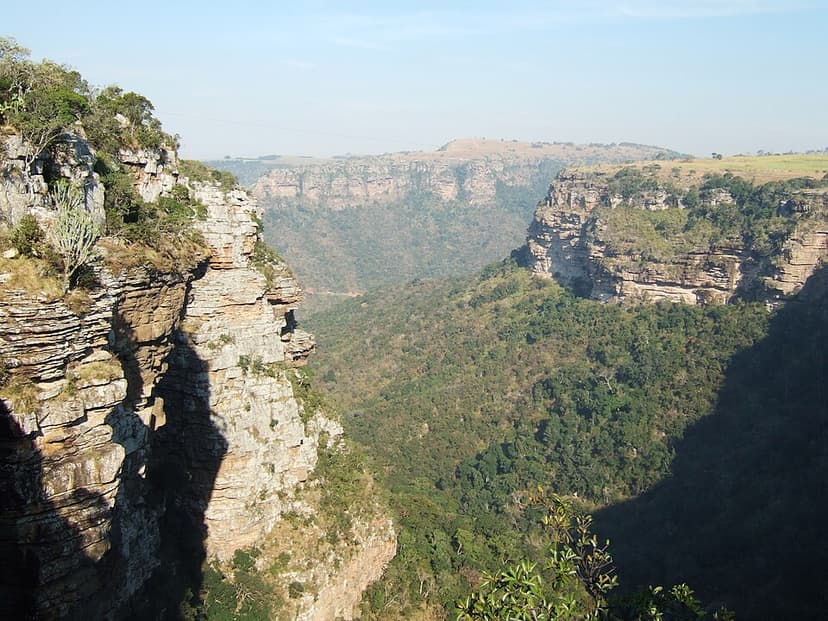
Oribi Gorge
Oribi Gorge is a significant canyon in Kwazulu-Natal, South Africa, carved by the Mzimkulwana River and forming the eastern of two gorges through the Oribi Flats. Its dramatic depths and crags, covered in subtropical vegetation, reveal ancient geological formations, including over a billion-year-old basement rock and sandstone cliffs deposited approximately 365 million years ago. The gorge is named after the oribi antelope and is a protected nature reserve.
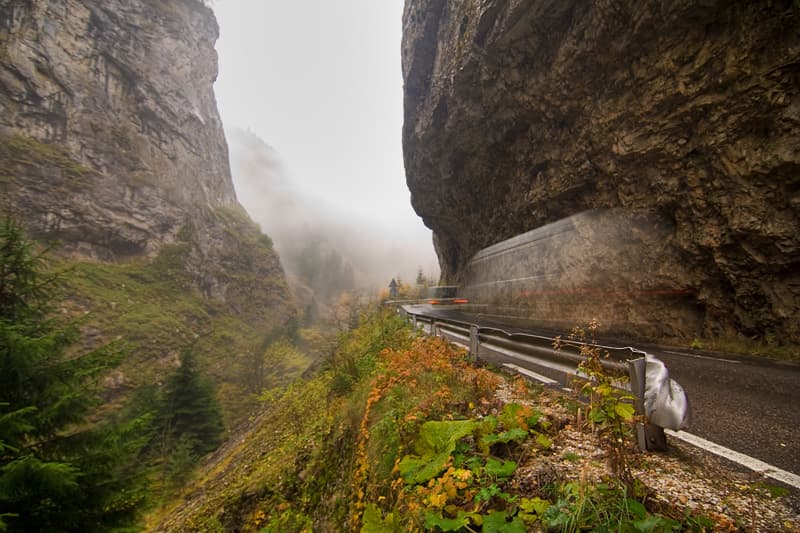
Trigrad Gorge
The Trigrad Gorge is a dramatic canyon characterized by its vertical marble rock walls, located in the Rhodope Mountains of Bulgaria. Formed by the Trigradska River, it is renowned for its geological uniqueness, being one of only three river-carved gorges globally that are cut entirely through pure marble. The gorge is a protected area and a significant tourist attraction, offering impressive natural scenery.
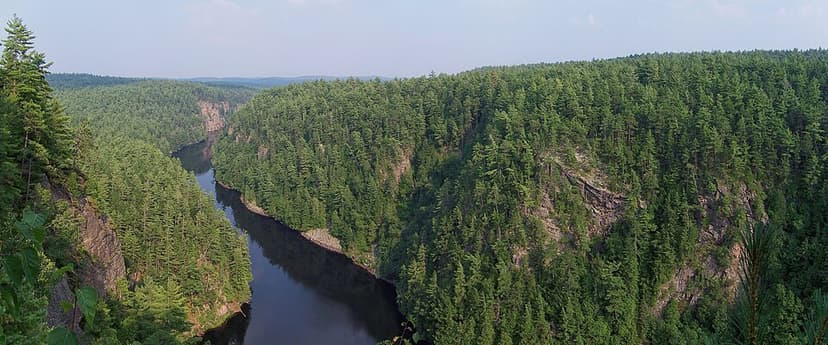
Barron River (Ontario)
The Barron River is a significant waterway in Ontario, Canada, flowing through Algonquin Provincial Park and forming the southern branch of the Petawawa River. It was primarily formed by glacial meltwater approximately 10,000 years ago, carving out the impressive Barron Canyon. Historically, it served as a crucial route for timber transport, with the canyon's towering cliffs known as the "Capes" by loggers.