
Galston Gorge
Valley·Australia·Tunks Creek
Galston Gorge is a valley located within Sydney, Australia's Berowra Valley Regional Park. It is characterized by dense bushland, walking tracks, waterfalls, and a heritage-listed bridge, serving as a popular destination for outdoor enthusiasts. The gorge is carved by Tunks Creek and is noted for its challenging road access and diverse Australian flora and fauna.
Key Facts
- ›Located in Berowra Valley Regional Park, Sydney, Australia.
- ›Features walking tracks, waterfalls, and dense Australian bushland.
- ›Includes the heritage-listed Tunks Creek Bridge, constructed in 1893.
- ›The gorge is accessible via Galston Road, known for its challenging hairpin bends.
- ›Home to diverse flora such as Grey Myrtle, ferns, and water gums, and fauna including possums and various native birds.
River Erosion
Tunks Creek Bridge, Berowra Creek, Galston Road, Galston Gorge Campsite, Gulley Creek Falls
Native Birds, Mammals, Reptiles, Possums, Honeyeaters, Fantails, Parrots, Waterbirds, Pied Cormorant, White Faced Heron, Dusky Moorhen, Satin Bowerbirds, Lyrebirds
Rainforest Vegetation, Grey Myrtle, Ferns, Water Gums, Sydney Blue Gum, Blackbutt, She Oak, Sydney Peppermint, Smooth-Barked Apple, Coachwood, Blackwattle, Pittosporum
About Galston Gorge
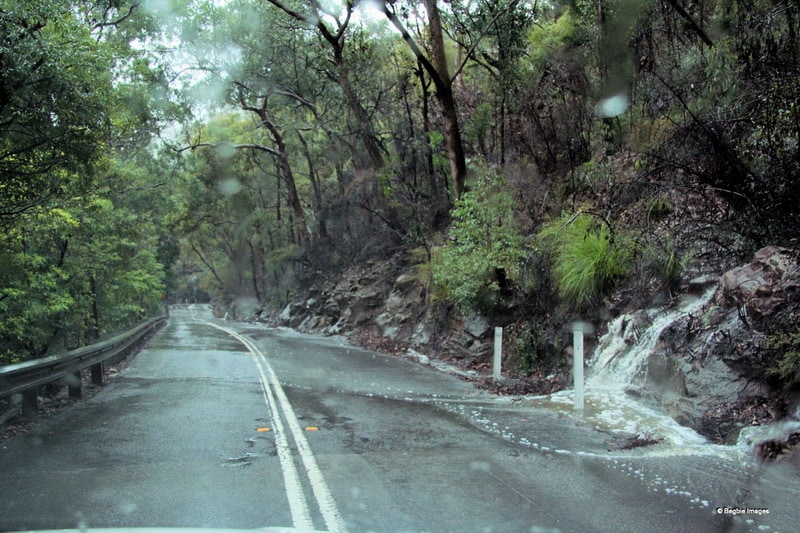
Galston Gorge is a significant natural landmark located within the Berowra Valley Regional Park in Sydney, Australia. This valley serves as a natural separator between the suburbs of Galston and Hornsby Heights, characterized by its dense Australian bushland, numerous walking tracks, and picturesque waterfalls. The gorge is a popular destination for outdoor enthusiasts, attracting hikers, cyclists, and rock climbers who come to explore its varied terrain and natural beauty.
Description and Features
The gorge is carved by Tunks Creek, which flows through its base. A notable historical feature is the Tunks Creek Bridge, originally a McDonald timber truss road bridge constructed in 1893 and later heritage-listed. Adjacent to it, a concrete bridge replaced a similar structure that was washed away in 1937, providing crucial access for emergency vehicles. Galston Road traverses the gorge, offering a direct route but is renowned for its steep inclines and six hairpin corners, making it challenging for larger vehicles, which are subject to strict length and weight restrictions.
Recreation and Access
Galston Gorge is well-equipped for recreational activities. The Benowie Walking Track, a significant section of the Great North Walk extending from Sydney Cove to Newcastle, runs through the gorge and offers opportunities for overnight treks, with a basic campsite available. Other trails like the Tunks Trail and Ulolo Trail are also popular for bushwalking. Cyclists frequently use the Galston Gorge East and West climbs. Access is managed to mitigate traffic incidents, particularly those involving over-length trucks, with signage, cameras, and a roundabout implemented to guide vehicles.
Flora and Fauna
The gorge's ecosystem is rich with diverse Australian flora and fauna. As one approaches Berowra Creek, rainforest vegetation becomes more prominent, featuring species like Grey Myrtle, various ferns, and water gums. The area is a habitat for native birds such as honeyeaters, fantails, and parrots, as well as waterbirds. Mammals like possums are commonly found, and more elusive species like Satin Bowerbirds and Lyrebirds may also be sighted. Historically, a population of feral chickens inhabited the bushland before being culled in 2000.
Source: Wikipedia ↗
Frequently Asked Questions
What is Galston Gorge?
Galston Gorge is a valley situated in Sydney, Australia's Berowra Valley Regional Park. It is known for its natural beauty, including bushland, waterfalls, and walking tracks.
How was Galston Gorge formed?
While the article doesn't explicitly detail the formation process, the presence of Tunks Creek and associated water features suggests it was primarily formed by erosion, likely by Tunks Creek over time, carving through the landscape.
What are the main activities available at Galston Gorge?
Visitors can enjoy hiking on numerous walking tracks, cycling, and rock climbing. The gorge is also a scenic area for appreciating Australian flora and fauna.
What is the significance of Tunks Creek Bridge?
Tunks Creek Bridge, constructed in 1893, is a heritage-listed McDonald timber truss one-way road bridge. It was built to provide access for fire-fighting vehicles and is a notable historical structure within the gorge.
What are the access restrictions for vehicles in Galston Gorge?
Galston Road, the primary route through the gorge, has restrictions for longer and heavier vehicles. Vehicles over 7.5 meters in length are prohibited, and fines are issued for non-compliance, with a roundabout installed to help oversized vehicles turn around.
What kind of flora and fauna can be found in Galston Gorge?
The gorge supports rainforest vegetation, including Grey Myrtle, ferns, and water gums. Common flora also includes Sydney Blue Gum and Blackbutt. Native fauna include possums, various native birds like honeyeaters and parrots, and waterbirds.
Related Canyons

Barron Gorge
Barron Gorge is a dramatic gorge located in Queensland, Australia, carved by the Barron River as it descends the eastern escarpment of the Atherton Tablelands. Renowned for its spectacular waterfalls, particularly the Barron Falls which cascade 265 meters, the gorge is a significant natural landmark within the Wet Tropics World Heritage Area. Historically important for Indigenous peoples and later for hydroelectric power generation, it is now a protected national park and a popular tourist destination.

Capertee Valley
Capertee Valley, located in New South Wales, Australia, is recognized as the world's widest canyon, surpassing even the Grand Canyon in its breadth. Carved by the Capertee River over millions of years through Permian and Triassic sedimentary rocks, the valley features dramatic sandstone cliffs and limestone formations. It holds significant ecological importance as a prime breeding site for endangered bird species and is a popular destination for birdwatching and bushwalking.
Carnarvon Gorge
Carnarvon Gorge, located in Central Queensland, Australia, is a significant natural attraction carved primarily by water erosion. Stretching approximately 30 kilometers in length and reaching depths of up to 600 meters, it is renowned for its diverse ecosystems, Indigenous cultural sites, and dramatic sandstone landscapes. As the most visited feature within Carnarvon National Park, it draws over 70,000 visitors annually, offering a unique oasis in a semi-arid region.