
Isalo
River Canyon·Madagascar·Triassic to Early Jurassic·Sandstone
Isalo National Park is a vast sandstone landscape in Madagascar, shaped by wind and water erosion into dramatic canyons, plateaus, and rocky outcrops. Established in 1962, it is a significant protected area, particularly for its endemic flora, including unique tapia woodlands and rare plant species. The park is also a vital habitat for numerous endemic amphibians and reptiles, and holds cultural importance as a traditional territory of the Bara people.
Key Facts
- ›Located in the Ihorombe Region of Madagascar, within the Province of Fianarantsoa.
- ›Features sandstone formations dissected by wind and water into canyons up to 200 meters deep.
- ›Elevation ranges from 510 to 1,268 meters above sea level.
- ›Dominated by endemic tapia woodlands (Uapaca bojeri) and hosts numerous narrowly endemic plant species.
- ›Home to fourteen species of mammals, over 100 species of birds, 24 amphibians, and 47 reptiles, many of which are endemic.
- ›The geological formation is primarily the sedimentary Isalo Group, of Triassic to early Jurassic origin.

Wind Erosion, Water Erosion
Rocky Outcrops, Plateaus, Sandstone Domes, Flat-Topped Mountains, Runiform Mountains, Natural Swimming Pools
Lemurs, Benson's Rock Thrush, Knob-Billed Duck, Madagascar Ibis, Madagascar Ground Boa, Dumeril's Boa, Malagasy Rainbow Frog
Sclerophylous Woodlands, Evergreen Humid Forest, Pandanus Thickets, Dry Xerophytic Vegetation, Secondary Shrub Communities, Grasslands
About Isalo
Isalo National Park
Isalo National Park is a significant natural and cultural landscape located in the Ihorombe Region of Madagascar. This protected area is renowned for its dramatic sandstone formations, carved over millennia by wind and water erosion into a striking panorama of rocky outcrops, expansive plateaus, and deep canyons reaching up to 200 meters in depth. The park's varied topography is interspersed with permanent rivers, streams, and numerous seasonal watercourses, contributing to its unique ecosystems.
History and Significance
Established in 1962 and managed by the Madagascar National Parks authority since 1997, Isalo is a testament to both geological processes and human history. The area has long been inhabited by the Bara people, a nomadic group traditionally reliant on zebu cattle farming, and the park preserves ancient burial sites belonging to both the Bara and the older Sakalava people. Archaeological findings at sites like Teniky suggest human activity dating back to the tenth to twelfth centuries CE, with unique rock-cut niches hinting at possible external cultural influences.
Geology and Climate
The park's geology is dominated by the Isalo Group, a thick sedimentary formation of Triassic to early Jurassic origin composed of coarse-grained sandstone. This massif has been sculpted into distinctive features such as sandstone domes, flat-topped mountains, and 'runiform' mountains, named for their carved appearance. Geographically situated in the arid western part of Madagascar, Isalo experiences a hot, dry climate with two distinct seasons: a cooler-drier period and a warmer-wetter period. Average annual temperatures hover around 21.8 °C, with rainfall concentrated in the wetter months, typically from December to February.
Biodiversity and Vegetation
Isalo National Park is a critical biodiversity hotspot, particularly for its endemic flora. The park's woodlands are largely characterized by the endemic tapia tree (Uapaca bojeri), forming some of the largest intact areas of this specialized woodland type. The region hosts a remarkable number of narrowly endemic plant species, with some found nowhere else on Earth, and is home to plant families exclusive to Madagascar. Its fauna is equally impressive, featuring fourteen mammal species, over 100 bird species, and numerous endemic amphibians and reptiles, including the Malagasy rainbow frog and specific boa constrictors.
Tourism and Access
Isalo is a popular tourist destination, offering visitors opportunities for exploration through guided treks that can vary in length from a few hours to over a week. Natural swimming pools within the park are a notable attraction. Visitors are required to hire local guides, available in the nearby town of Ranohira, which serves as the closest urban center to the park. The park's ecological integrity faces threats, primarily from illegal wildfires that can impact forest extent and favor grasslands used for cattle grazing.
Source: Wikipedia ↗
Frequently Asked Questions
What are the main geological features of Isalo National Park?
Isalo National Park is characterized by a sandstone landscape that has been deeply dissected by wind and water erosion. This process has created a variety of dramatic formations, including rocky outcrops, extensive plateaus, and canyons that can reach depths of up to 200 meters.
What is the climate like in Isalo National Park?
The park experiences a hot, dry climate typical of the western dry deciduous forest bioclimatic zone in Madagascar. It has two distinct seasons: a cooler-drier period and a warmer-wetter period, each lasting between five and seven months. Temperatures generally range from 15 to 32 °C.
What kind of vegetation can be found in Isalo National Park?
The park's vegetation is diverse, primarily within the dry deciduous forests ecoregion, dominated by the endemic tapia tree (Uapaca bojeri). It also includes evergreen humid forests in ravines, pandanus thickets, dry xerophytic vegetation on rocky areas, secondary shrub communities, and extensive grasslands.
What wildlife is present in Isalo National Park?
Isalo National Park is home to a rich array of fauna, including fourteen species of mammals, such as various lemurs. Over 100 species of birds have been recorded, alongside 24 amphibians and 47 reptiles, many of which are endemic to the region. Notable species include unique frogs and boa constrictors.
What activities are available for visitors in Isalo National Park?
Visitors to Isalo National Park are required to have a local guide for entry. Popular activities include trekking, with options ranging from several hours to a week or longer. The park also features natural swimming pools that are popular with tourists.
What is the geological origin of the Isalo Massif?
The Isalo Massif, which forms the main geological feature of the park, is composed of the sedimentary Isalo Group. This group is up to 6,000 meters thick and dates from the Triassic to the early Jurassic period, consisting of coarse-grained sandstone deposited by braided streams.
Related Canyons

Canyonlands National Park
Canyonlands National Park is a national park in southeastern Utah, celebrated for its dramatic landscape of canyons, mesas, and buttes carved by the Colorado and Green Rivers. Established in 1964, it is a testament to millions of years of geological processes, primarily erosion, and preserves a unique desert environment that was once home to Ancestral Puebloans. The park is a popular destination for recreation, offering rugged trails and challenging whitewater experiences, while also serving as a critical area for scientific study regarding climate change impacts on desert ecosystems.

Capertee Valley
Capertee Valley, located in New South Wales, Australia, is recognized as the world's widest canyon, surpassing even the Grand Canyon in its breadth. Carved by the Capertee River over millions of years through Permian and Triassic sedimentary rocks, the valley features dramatic sandstone cliffs and limestone formations. It holds significant ecological importance as a prime breeding site for endangered bird species and is a popular destination for birdwatching and bushwalking.
Carnarvon Gorge
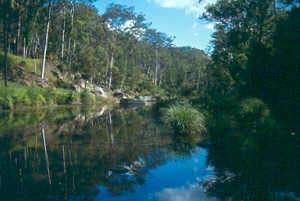
Carnarvon Gorge, located in Central Queensland, Australia, is a significant natural attraction carved primarily by water erosion. Stretching approximately 30 kilometers in length and reaching depths of up to 600 meters, it is renowned for its diverse ecosystems, Indigenous cultural sites, and dramatic sandstone landscapes. As the most visited feature within Carnarvon National Park, it draws over 70,000 visitors annually, offering a unique oasis in a semi-arid region.