
Karijini National Park
River Canyon·Australia·Archaean
Karijini National Park is a vast national park located in the Hamersley Ranges of Western Australia's Pilbara region. Formerly known as Hamersley Range National Park, it was renamed in 1991 and is renowned for its ancient rock formations, estimated to be 2.5 billion years old. The park's stunning gorges, slot canyons, waterfalls, and waterholes make it a significant natural attraction, holding deep cultural importance for the local Indigenous peoples.
Key Facts
- ›Covers an area of 627,422 hectares (1,550,390 acres), making it the second-largest national park in Western Australia.
- ›Features rock formations estimated to be 2.5 billion years old.
- ›The park is known for its numerous gorges, including Hamersley Gorge, Hancock Gorge, Joffre Gorge, Knox Gorge, Red Gorge, and Weano Gorge.
- ›The Banyjima name for the Hamersley Range is Karijini, meaning 'hilly place'.
- ›Home to diverse wildlife such as red kangaroos, euros, rock-wallabies, dingos, and various reptiles and birds.
- ›Contains geological features like banded iron formation, dolomite, and shale.

Hamersley Range National Park
River Erosion
Slot Canyons, Waterfalls, Waterholes, Banded Iron Formation, Dolomite, Shale
Red Kangaroos, Euros, Rock-Wallabies, Dingoes, Echidnas, Geckos, Goannas, Bats, Legless Lizards, Birds, Snakes, Pythons
Diverse Vegetation Types, Various Stages of Succession
Karijini
About Karijini National Park
Karijini National Park, formerly known as Hamersley Range National Park, is a significant protected area located in the Hamersley Ranges of the Pilbara region in northwestern Western Australia. Situated north of the Tropic of Capricorn, it is the second-largest national park in the state, encompassing 627,422 hectares. The park is celebrated for its ancient geological formations, with rock strata estimated to be 2.5 billion years old. Its natural beauty is characterized by numerous gorges, slot canyons, waterfalls, and waterholes, making it a prime destination for nature enthusiasts.
History and Indigenous Significance
The park holds deep cultural importance for the Banyjima, Kurrama, and Innawonga Aboriginal peoples, who are its traditional custodians. The Banyjima name for the Hamersley Range is Karijini, translating to 'hilly place'. Archaeological evidence suggests human presence in the area for over 20,000 years. Traditional Aboriginal land management techniques, such as fire-stick farming, have played a role in shaping the park's diverse ecosystems and the variety of plant and animal life found there today. European exploration of the region commenced in 1861 with Francis Thomas Gregory, who named the Hamersley Range.
Geology and Features
The geology of Karijini National Park is marked by ancient rock layers, including Brockman iron formation, Wittenoom dolomite, and Mount McRae Shale. The park is most renowned for its dramatic gorges, which carve through the landscape, revealing stunning geological displays. Prominent gorges include Hamersley Gorge, Range Gorge, Munjina Gorge, and a central convergence of Hancock, Joffre, Knox, Red, and Weano Gorges. These gorges offer opportunities for exploration, with visitors often enjoying dips in the cool waterholes found within them.
Climate and Visitation
Karijini National Park experiences a tropical semi-arid climate. Summers are extremely hot, with temperatures frequently exceeding 40°C and bringing thunderstorms and cyclones. Consequently, the most pleasant time to visit is during the cooler months from May to September, when days are warm and nights are cold. Access to the park's northern half, where most tourist attractions like gorges and waterfalls are located, is via sealed and gravel roads. Visitors should be aware of potential hazards, such as the presence of blue asbestos in Wittenoom and Yampire Gorges, and exercise due caution.
Source: Wikipedia ↗
Frequently Asked Questions
What is the best time to visit Karijini National Park?
The ideal time to visit Karijini National Park is between May and September, during Australia's late autumn, winter, and early spring. During this period, the days are warm, although the nights can be cold. Summer temperatures often exceed 38°C, making it less practical for visits and increasing the risk of bushfires.
What are the main geological features of Karijini National Park?
Karijini National Park is characterized by ancient rock formations, with some estimated to be 2.5 billion years old. Several gorges, such as Dales, Kalamina, Wittenoom, and Yampire Gorges, showcase notable rock layers including banded iron formation, dolomite, and shale.
What activities can visitors enjoy in Karijini National Park?
Visitors can explore the park's many gorges, which often contain slot canyons, waterfalls, and waterholes. Swimming in the cold water pools within these gorges is a popular activity. Exploring the diverse landscapes and observing the wildlife are also key attractions.
Are there any safety concerns for visitors in Karijini National Park?
Visitors are advised to exercise caution, particularly when walking in and around Yampire and Wittenoom Gorges. This is due to the presence of blue asbestos, a known carcinogen when inhaled, which is found in some of the rock formations in these areas.
What is the indigenous significance of Karijini National Park?
Karijini National Park is the traditional home of the Banyjima, Kurrama, and Innawonga Aboriginal people. The Banyjima name for the Hamersley Range, from which the park derives its name, is Karijini, meaning 'hilly place'. Evidence of their occupation dates back over 20,000 years, with traditional land management practices influencing the park's ecosystems.
Related Canyons

Barron Gorge
Barron Gorge is a dramatic gorge located in Queensland, Australia, carved by the Barron River as it descends the eastern escarpment of the Atherton Tablelands. Renowned for its spectacular waterfalls, particularly the Barron Falls which cascade 265 meters, the gorge is a significant natural landmark within the Wet Tropics World Heritage Area. Historically important for Indigenous peoples and later for hydroelectric power generation, it is now a protected national park and a popular tourist destination.

Capertee Valley
Capertee Valley, located in New South Wales, Australia, is recognized as the world's widest canyon, surpassing even the Grand Canyon in its breadth. Carved by the Capertee River over millions of years through Permian and Triassic sedimentary rocks, the valley features dramatic sandstone cliffs and limestone formations. It holds significant ecological importance as a prime breeding site for endangered bird species and is a popular destination for birdwatching and bushwalking.
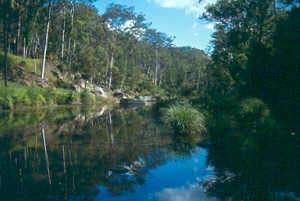
Carnarvon Gorge
Carnarvon Gorge, located in Central Queensland, Australia, is a significant natural attraction carved primarily by water erosion. Stretching approximately 30 kilometers in length and reaching depths of up to 600 meters, it is renowned for its diverse ecosystems, Indigenous cultural sites, and dramatic sandstone landscapes. As the most visited feature within Carnarvon National Park, it draws over 70,000 visitors annually, offering a unique oasis in a semi-arid region.