
Tamina Gorge
River Canyon·Switzerland·Tamina·Nummulite limestone
Tamina Gorge is a significant natural formation carved by the Tamina River in the canton of St. Gallen, Switzerland. Over the past 15,000 years, the river has eroded deeply into the rock, creating a narrow crevice with impressive natural bridges. The gorge is notable for its hot spring, discovered in 1240, which has been utilized for spa treatments for centuries.
Key Facts
- ›The gorge is approximately 750 meters long and 230 meters deep.
- ›The Tamina River has eroded up to 200 meters into the ground within the gorge.
- ›Natural bridges are formed by Nummulite limestone, sometimes wedged against each other.
- ›A hot spring with a temperature of 36.6 °C (97.9 °F) is located in the upper part of the gorge.
- ›The gorge is accessible via a pedestrian bridge and contains a hot spring used for spa purposes.
- ›A single-lane road, accessible by bus, runs alongside the river for the last 4 km of the gorge.
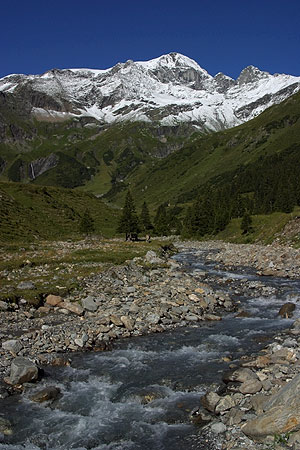
Taminaschlucht
River Erosion
Natural Bridges, Hot Spring
About Tamina Gorge
Tamina Gorge, known locally as Taminaschlucht, is a dramatic natural feature carved by the Tamina River in the canton of St. Gallen, Switzerland. Situated in the Tamina Valley, this impressive gorge represents a powerful display of natural erosion over millennia. The Tamina River, originating below the Sardona Pass in the Glarus Alps, flows through the valley before entering its most spectacular section as it cuts through the rock, forming the gorge.
Geological Formation and Features
The formation of Tamina Gorge is attributed to the persistent erosive power of the Tamina River. Over the last 15,000 years, the river has carved deeply into the bedrock, creating a narrow crevice that can reach depths of up to 200 meters. The gorge's geology is marked by layers of Nummulite limestone in its upper reaches, through which the river initially cut. As the water descended, it encountered softer Seewer Schist, which allowed for more significant lateral erosion and widening of the gorge. A unique geological phenomenon within the gorge is the formation of natural bridges, believed to be a result of the river's erosive path and the subsequent wedging of limestone banks.
The Tamina Hot Spring
One of the most significant features within Tamina Gorge is its renowned hot spring. Discovered in 1240, this spring is a substantial source of geothermal activity, pumping out approximately 8,000 liters of water per minute at a temperature of 36.6 °C. The therapeutic properties of this water have been recognized and utilized for centuries. Initially used on-site, the hot spring's waters were later channeled to the Altes Bad Pfäfers spa, which operated from the 14th century until 1969. Today, the spring's resources continue to be vital for medical clinics in Valens and the prominent spa facilities in Bad Ragaz.
Accessibility and Human Interaction
Tamina Gorge is accessible to visitors, primarily through a pedestrian bridge that allows for exploration of its striking natural beauty. For a significant portion of its length, the gorge also features a single-lane road running alongside the river. This road, which connects Bad Ragaz with the historic Altes Bad Pfäfers, has been in place since 1838. Although closed to private vehicles, it serves as a route for public bus transportation, making the gorge accessible for a wider audience.
Historical Context
Historically, the Tamina Valley, also referred to as Taminatal or Vättnertal, was under the ownership of the Pfäfers Abbey. Upon the formation of the canton of St. Gallen in 1803, the valley became integrated into its administrative structure. The long-standing tradition of utilizing the Tamina hot spring has deeply influenced the historical development and cultural identity of the region, particularly in relation to health tourism and spa culture.
Source: Wikipedia ↗
Frequently Asked Questions
How was the Tamina Gorge formed?
The prevailing hypothesis suggests the Tamina River first eroded a narrow channel through the Nummulite limestone. As it cut deeper, it reached softer Seewer Schist, allowing for wider lateral erosion. The river's eastward movement also tilted the western wall, wedging limestone banks to create natural bridges.
What is the geological composition of the gorge?
The upper part of the gorge is characterized by a 7-meter thick layer of Nummulite limestone. Below this, the river encountered softer Seewer Schist, which facilitated widening of the gorge.
Are there any notable features within Tamina Gorge?
Yes, a significant feature is a hot spring discovered in 1240, which pumps out 8,000 liters of water per minute at 36.6 °C. Natural bridges, formed by the interplay of limestone and erosion, are also a distinctive characteristic.
How is Tamina Gorge accessed?
The gorge is accessible by a pedestrian bridge. For the latter part of its course, a single-lane road runs alongside the river, which is served by a bus route originating from Bad Ragaz railway station.
What is the historical significance of the hot spring in Tamina Gorge?
The hot spring was used on-site after its discovery in 1240. It was later utilized at Altes Bad Pfäfers between 1350 and 1969, and currently serves the Valens medical clinic and the spa in Bad Ragaz.
Related Canyons

Aare Gorge
The Aare Gorge is a dramatic canyon carved through a limestone ridge near Meiringen, Switzerland, by the Aare River. Formed approximately 10,000 years ago by glacial meltwater erosion at the end of the Ice Age, this narrow passage features sheer cliffs and is a significant tourist attraction, partly due to its proximity to the famous Reichenbach Falls.

Küsnachter Tobel
The Küsnachter Tobel is a small river canyon located on the southwestern slope of the Pfannenstiel mountain in Switzerland, carved by the Küsnachter Dorfbach stream. This gorge, extending about 12 kilometers in length and up to 70 meters deep, is renowned for its wild, primeval landscape and serves as a popular hiking destination. It also holds ecological significance as a spawning ground for lake trout and features geological points of interest like glacial erratics and a cave formed in glacial conglomerate.

Rofla Gorge
The Rofla Gorge is a narrow, ancient section of the Hinterrhein river in Graubünden, Switzerland. It served as a significant natural obstacle on the routes to the Splügen and San Bernardino mountain passes. Today, a footpath allows visitors to experience the gorge and its waterfall.