
Cycas orientis
Dry, open forests·Arborescent·Not Specified
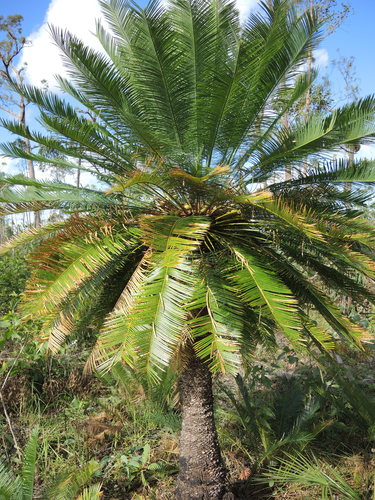
Cycas orientis is a medium to large cycad species found in the dry, open forests of East Arnhem Land, Northern Territory, Australia. Its name, "orientis," reflects its eastern distribution. This species is characterized by its bright green, glossy leaves and is well-adapted to the region's monsoonal climate, with a mature height reaching up to 7 meters.
Key Facts
- ›Native to East Arnhem Land, Northern Territory, Australia.
- ›Can grow up to 7 meters (23 ft) in height.
- ›Features bright green, glossy leaves up to 1.25 meters (4 ft) long.
- ›Well-adapted to the monsoonal climate with distinct wet and dry seasons.
- ›Its nuts, known as 'nyathu', are a food source for the Yolngu people.
- ›The species name 'orientis' refers to its eastern distribution.
- East Arnhem Land, Northern Territory, Australia
Reaches heights of up to 7 m
Bright Green, Glossy, Up To 1.25 m In Length
Nuts Are Eaten By Yolngu People
Food Source
About Cycas orientis
Cycas orientis is a notable species of cycad indigenous to the East Arnhem Land region of Australia's Northern Territory. Its scientific name, "orientis," is a Latin term signifying its eastern location within Arnhem Land. This cycad is recognized for its substantial growth, often reaching heights of up to 7 meters (23 feet), and is found thriving in dry, open forest environments.
Botanical Features
The foliage of Cycas orientis is a striking feature, characterized by bright green, glossy leaves that can extend up to 1.25 meters (4 feet) in length. The species is particularly well-adapted to the distinct monsoonal climate of its native region, which experiences pronounced hot and wet seasons followed by hot and dry periods. This adaptation allows it to flourish within its specific ecological niche.
Relationship with Indigenous Peoples
In addition to its botanical significance, Cycas orientis holds cultural importance for the Yolngu people of Arnhem Land. Its nuts, known locally as "nyathu," are harvested during the dry season. Traditional preparation involves soaking the nuts overnight, grinding them into a paste, wrapping the paste under bark, and then cooking it on an open fire, highlighting a long-standing human interaction with this plant species.
Source: Wikipedia ↗
Frequently Asked Questions
Where does Cycas orientis grow naturally?
Cycas orientis is native to East Arnhem Land in Australia's Northern Territory. It is typically found in dry, open forest environments within this region.
What are the main characteristics of Cycas orientis?
This species is a medium to large cycad, capable of reaching heights of up to 7 meters. It possesses bright green, glossy leaves that can grow as long as 1.25 meters. It is also well-adapted to the region's monsoonal climate.
What is the meaning of the name 'Cycas orientis'?
The species name 'orientis' is derived from Latin and signifies the eastern distribution of this cycad within Arnhem Land.
Are there any traditional uses for Cycas orientis?
Yes, the nuts of Cycas orientis, referred to as 'nyathu' by the Yolngu people, are harvested during the dry season and prepared as a food source. They are typically soaked, ground into a paste, wrapped in bark, and cooked over an open fire.
How does Cycas orientis cope with its climate?
Cycas orientis is well-adapted to the monsoonal climate of its native East Arnhem Land. This climate is characterized by distinct hot and wet seasons, followed by hot and dry seasons, to which the species has evolved resilience.
Related Cycad species
Macrozamia parcifolia
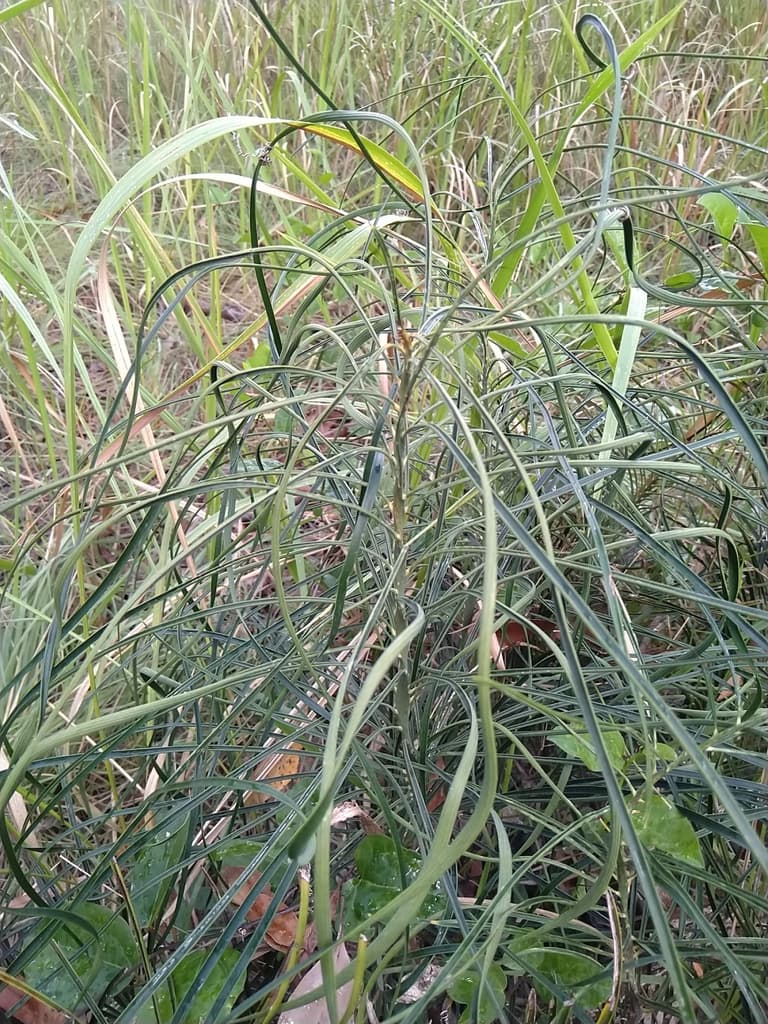
Macrozamia parcifolia is a species of cycad native to Australia, belonging to the Zamiaceae family. Its botanical characteristics are primarily defined by its classification within this family, though specific details regarding its morphology, habitat, and distribution are limited in available records.

Encephalartos pterogonus
Encephalartos pterogonus is a species of cycad native to the Manica province of Mozambique, specifically Mount Mruwere and surrounding mountains. It is characterized by its upright stem, pinnate leaves with dark green lanceolate leaflets, and prominent reproductive cones. This dioecious species produces distinct male and female cones, with seeds covered in an orange-red sarcotesta when mature.

Cycas chevalieri
Cycas chevalieri is a species of cycad belonging to the Cycadaceae family. This plant is primarily found in central Vietnam, with its known distribution including Nghe An Province. It is also believed to potentially occur in neighboring Laos.