
Cycas wadei
Found in a small area east of Halsey Harbor on Culion Island.·Likely arborescent or shrub-like, typical of the Cycas genus.
Cycas wadei, also known as Wade's pitogo, is a species of cycad exclusively found on Culion Island in the Philippines. It is characterized by a single, limited subpopulation, making its conservation status a significant concern. Botanically, it belongs to the Cycadaceae family and exhibits typical cycad growth forms.
Key Facts
- ›Endemic to Culion Island, Philippines.
- ›Possesses a single subpopulation of approximately 5,000 mature individuals.
- ›Found in a small area east of Halsey Harbor.
- ›Belongs to the Cycadaceae family.
- ›Its limited distribution makes it vulnerable.
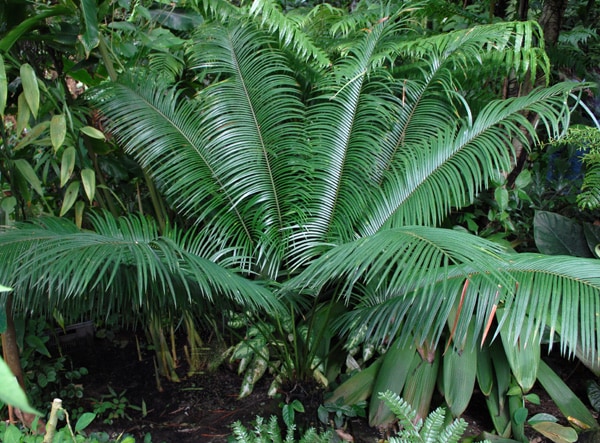
Wade's Pitogo
Culion Island, Philippines
About Cycas wadei
Cycas wadei, commonly referred to as Wade's pitogo, is a species of cycad that holds a unique and precarious place in the botanical world due to its extremely restricted geographic distribution. This species is endemic to Culion Island in the Philippines, meaning it is found nowhere else on Earth. Its natural existence is confined to a single, small subpopulation located to the east of Halsey Harbor, comprising an estimated 5,000 mature individuals.
Botanical Classification and Characteristics
As a member of the Cycadaceae family, Cycas wadei shares characteristics with other ancient seed-bearing plants that often bear a superficial resemblance to palms or ferns. While specific botanical details regarding its stem, leaf, and reproductive structures are not widely documented in general accounts, its classification within the Cycas genus suggests it possesses a trunk-like stem and pinnately compound leaves, typical of its relatives. The limited population and specific habitat on Culion Island underscore the importance of understanding and protecting this unique species.
Conservation Significance
The existence of only one subpopulation, numbering around 5,000 mature plants, places Cycas wadei at a significant risk. Such a concentrated population is highly vulnerable to localized threats, including habitat destruction, disease, or climate-related events. Conservation efforts would likely focus on protecting its specific habitat on Culion Island and monitoring the health and stability of this single population to ensure the species' survival.
Source: Wikipedia ↗
Frequently Asked Questions
Where is Cycas wadei found?
Cycas wadei is an endemic species found only on Culion Island in the Philippines. Its natural habitat is restricted to a small area east of Halsey Harbor.
What is the population size of Cycas wadei?
There is a single subpopulation of Cycas wadei, estimated to consist of about 5,000 mature individuals. This limited population size contributes to concerns about its conservation status.
What is the common name for Cycas wadei?
Cycas wadei is commonly known as Wade's pitogo. This name reflects its discovery and association with individuals named Wade.
What plant family does Cycas wadei belong to?
Cycas wadei belongs to the botanical family Cycadaceae. This family comprises a group of ancient seed-bearing plants often mistaken for palms or ferns.
Related Cycad species
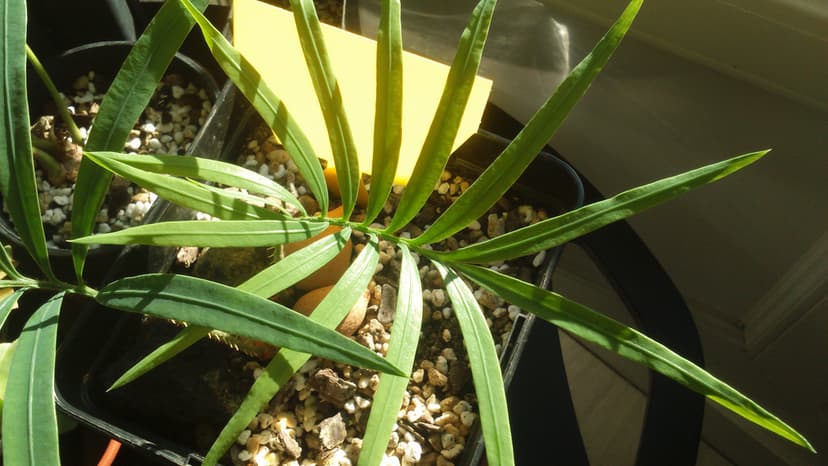
Cycas zambalensis
Cycas zambalensis is a species of cycad exclusively found on the island of Luzon in the Philippines. It is known for its endemic status, with distinct subpopulations located in Zambales province. Botanically, it belongs to the Cycadaceae family and is characterized by its specific distribution within limited areas.
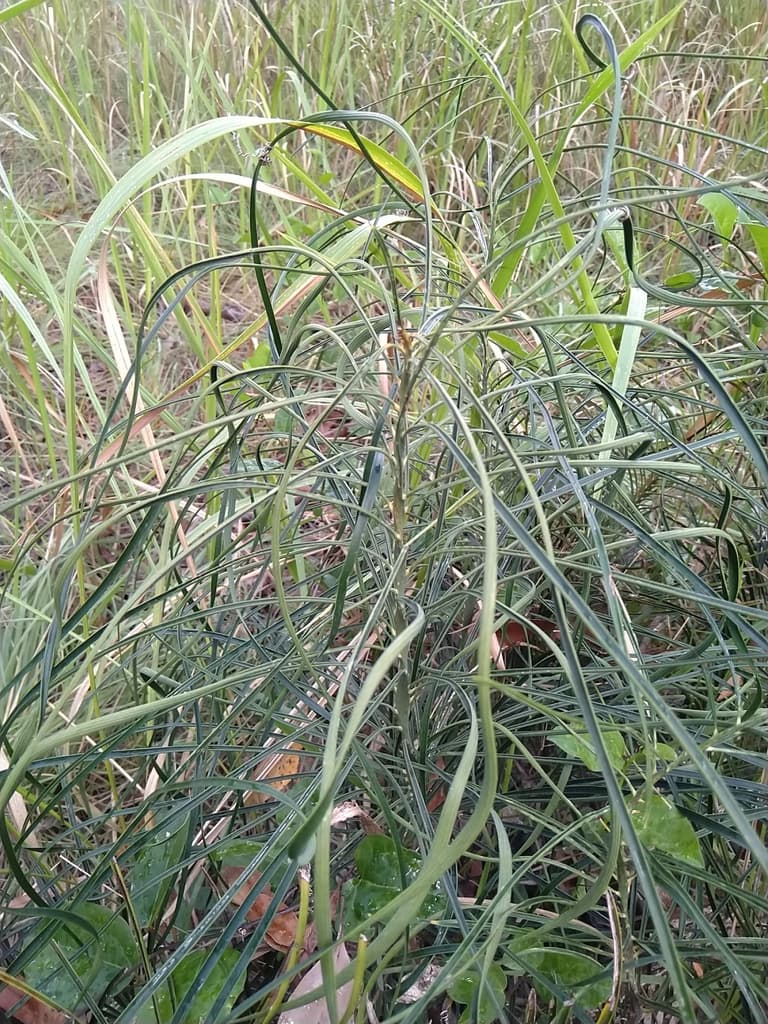
Macrozamia parcifolia
Macrozamia parcifolia is a species of cycad native to Australia, belonging to the Zamiaceae family. Its botanical characteristics are primarily defined by its classification within this family, though specific details regarding its morphology, habitat, and distribution are limited in available records.

Zamia montana
Zamia montana is a critically endangered cycad species endemic to the Antioquia Department of Colombia. Found in subtropical or tropical moist montane forests, this species is characterized by its extreme rarity and the significant threats posed by logging activities within its natural habitat. The species faces a high risk of extinction, with its only known population located in an area that has undergone recent logging.