
Zamia montana
Zamia montana is a critically endangered cycad species endemic to the Antioquia Department of Colombia. Found in subtropical or tropical moist montane forests, this species is characterized by its extreme rarity and the significant threats posed by logging activities within its natural habitat. The species faces a high risk of extinction, with its only known population located in an area that has undergone recent logging.
Key Facts
- ›Endemic to Antioquia Department, Colombia.
- ›Inhabits subtropical or tropical moist montane forests.
- ›Classified as critically endangered.
- ›Extremely rare with a single known population.
- ›Threatened by logging activities.
- ›May be extinct in the wild due to habitat destruction.

Antioquia Department, Colombia
Logging Activities, Habitat Destruction
About Zamia montana
Zamia montana is a species of cycad belonging to the Zamiaceae family, notable for its extreme rarity and precarious conservation status. This species is endemic to the Antioquia Department of Colombia, where it inhabits subtropical or tropical moist montane forests. Its existence is critically threatened by extensive logging activities that decimate its natural environment.
Conservation Concerns
The species is classified as Critically Endangered due to its limited distribution and the severe pressure on its habitat. The single known population of Zamia montana is situated in an area that has recently undergone logging, raising grave concerns about its survival. There is a significant possibility that Zamia montana may already be extinct in the wild as a direct consequence of this habitat destruction.
Source: Wikipedia ↗
Frequently Asked Questions
Where is Zamia montana found?
Zamia montana is found exclusively in the Antioquia Department of Colombia. Its natural habitat is within subtropical or tropical moist montane forests in this region.
What is the conservation status of Zamia montana?
Zamia montana is classified as critically endangered. This designation reflects its extreme rarity and the severe threats to its survival.
What are the main threats to Zamia montana?
The primary threat to Zamia montana is logging activities, which are severely impacting its natural habitat. This destructive practice is the main reason the species is considered critically endangered and may even be extinct in the wild.
Is Zamia montana common?
No, Zamia montana is extremely rare. The species is known from only one population, making it one of the rarest cycads.
Related Cycad species
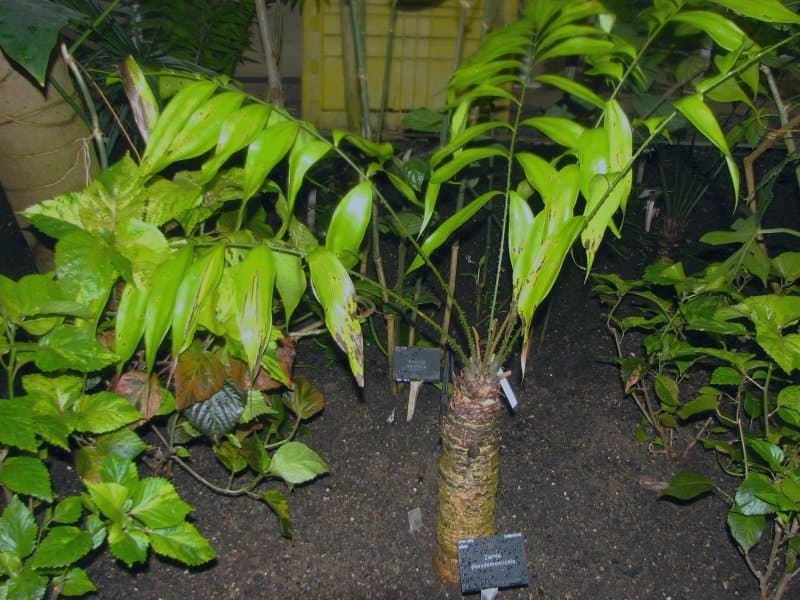
Zamia pseudomonticola
Zamia pseudomonticola is a species of cycad native to the montane forests of Costa Rica and Panama. It is characterized by its adaptation to subtropical and tropical moist mountain environments. A notable feature of this species is its obligatory mutualistic relationship with the beetle Pharaxonotha confusa, which acts as its primary pollinator.
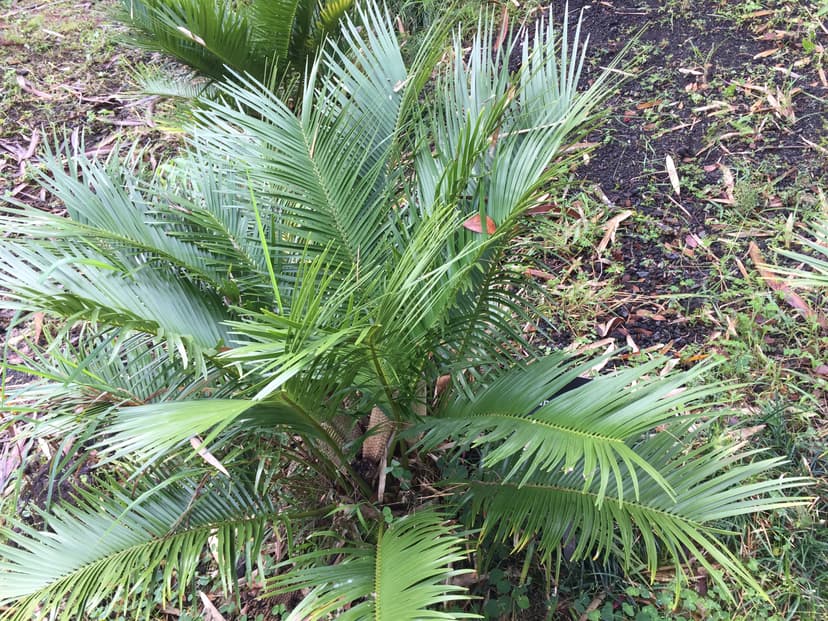
Zamia inermis
Zamia inermis is a critically endangered cycad species native to Actopan, Veracruz, Mexico. It is characterized by its shrub-like growth, with a trunk that can be branched and upright leaves composed of numerous linear-lanceolate leaflets. This species is dioecious and faces significant threats from habitat loss, wildfires, and over-harvesting.

Encephalartos dolomiticus
Encephalartos dolomiticus, commonly known as the Wolkberg cycad, is a critically endangered cycad species native to the Wolkberg region of South Africa. This tree-like cycad typically grows up to 2 meters tall and is characterized by its distinctive bluish leaves forming a crown, with lance-shaped leaflets arranged oppositely along the rachis. It is a dioecious species, producing separate male and female cones.