
Dioon merolae
Specific habitat details beyond its native range are not provided.·Arborescent·Insect pollination (obligatory mutualism with Pharaxonotha occidentalis)
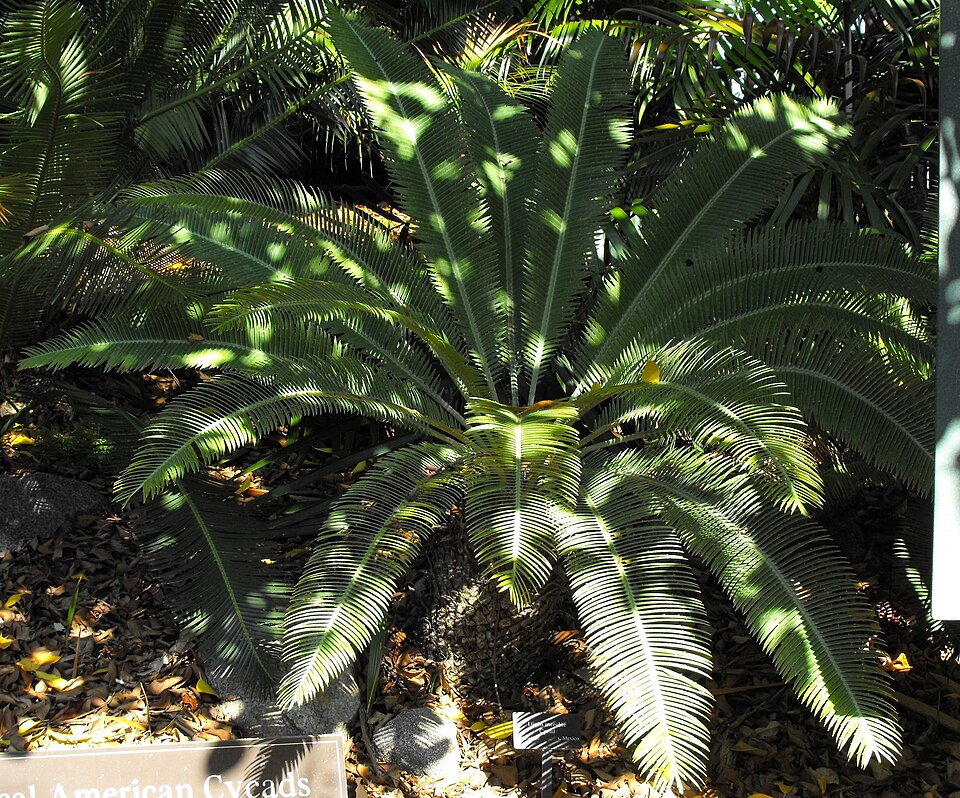
Dioon merolae is a species of cycad native to the Mexican states of Chiapas and Oaxaca. This cycad is characterized by its obligatory mutualistic relationship with the beetle Pharaxonotha occidentalis, which plays a vital role in its pollination.
Key Facts
- ›Native to Chiapas and Oaxaca, Mexico.
- ›Found in the municipalities of Cintalapa and Villaflores (Chiapas) and the Sierra Juárez (Oaxaca).
- ›Engages in an obligatory mutualistic relationship with the beetle Pharaxonotha occidentalis.
- ›The beetle pollinates Dioon merolae while living and breeding in its male cones.
- ›Pharaxonotha occidentalis consumes pollen and cone tissues of Dioon merolae.
Chiapas, Mexico, Oaxaca, Mexico
About Dioon merolae
Dioon merolae is a species of cycad found in its natural habitat in the Mexican states of Chiapas and Oaxaca. This particular cycad is notable for its highly specialized reproductive strategy, involving an obligatory mutualistic relationship with a specific insect species.
Mutualism with Pharaxonotha occidentalis
The survival and reproduction of Dioon merolae are intrinsically linked to the beetle Pharaxonotha occidentalis. This beetle lives and reproduces within the male cones of the cycad. While feeding on the pollen and tissues of the male cone, the beetle inadvertently collects pollen. As it moves to female cones, it facilitates pollination, a crucial step in the cycad's reproductive cycle. This relationship is essential for both the beetle, which receives sustenance and a breeding ground, and for the cycad, which relies on the beetle for pollination.
Source: Wikipedia ↗
Frequently Asked Questions
Where is Dioon merolae found naturally?
Dioon merolae is indigenous to the Mexican states of Chiapas and Oaxaca. It has been documented in the municipalities of Cintalapa and Villaflores in Chiapas, as well as in the Sierra Juárez region of Oaxaca.
What is the relationship between Dioon merolae and Pharaxonotha occidentalis?
Dioon merolae has an obligatory mutualistic relationship with the beetle Pharaxonotha occidentalis. This means both species are dependent on each other for survival.
How does Pharaxonotha occidentalis help Dioon merolae reproduce?
The beetle Pharaxonotha occidentalis acts as a pollinating vector for Dioon merolae. It lives and breeds within the male cones, consuming pollen and cone tissues, and in the process, transfers pollen to female cones.
Related Cycad species
Macrozamia parcifolia
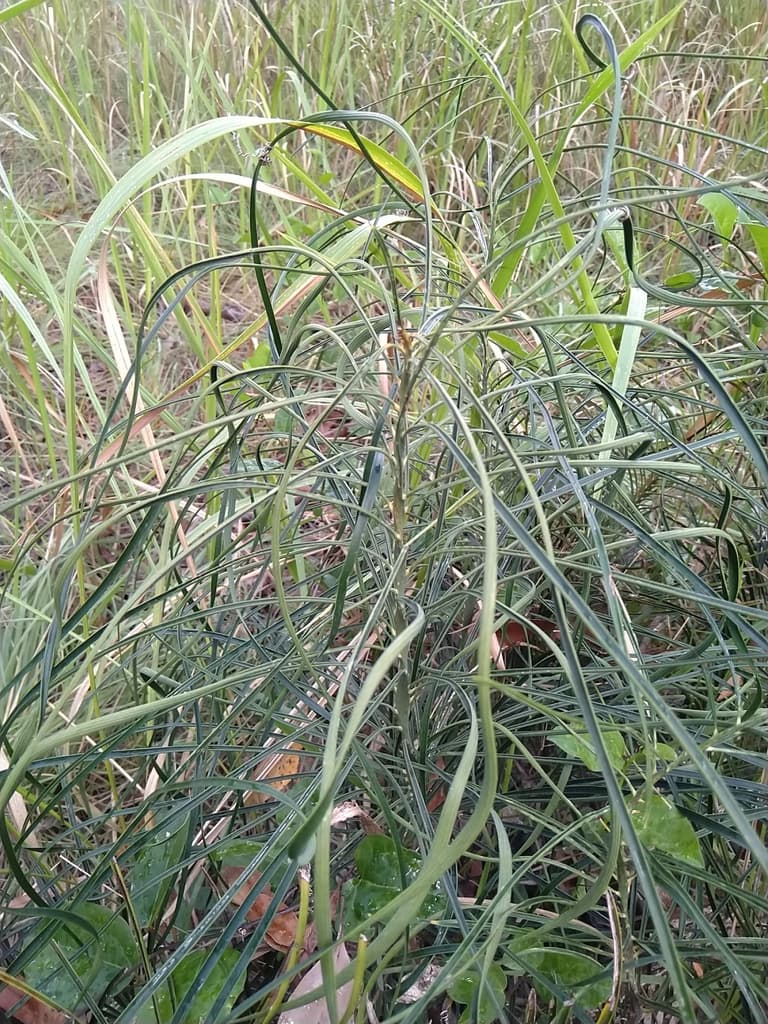
Macrozamia parcifolia is a species of cycad native to Australia, belonging to the Zamiaceae family. Its botanical characteristics are primarily defined by its classification within this family, though specific details regarding its morphology, habitat, and distribution are limited in available records.

Zamia huilensis
Zamia huilensis is a species of cycad belonging to the Zamiaceae family. It is known by the common name palma de monte and is native to Colombia. This species is characterized by its arborescent growth form and is part of the diverse group of plants known as cycads.

Cycas debaoensis
Cycas debaoensis is a cycad species native to the Guangxi region of China, found in sunny environments at elevations between 700 and 1000 meters. Its distinctive botanical feature is its tripinnate leaves, which possess spines along the rachis. The species is closely related to Cycas multipinnata.